

Introduction
Truck suspension service Levin is important for keeping trucks stable, comfortable, and safe on the road. A properly maintained suspension system helps support the vehicle’s weight, absorb road impacts, maintain tyre contact, and improve handling when carrying heavy loads.
Truck suspension components experience significant stress from heavy cargo, uneven roads, frequent braking, long-distance driving, and regular loading and unloading. Problems with springs, shock absorbers, bushes, air suspension components, or other suspension parts can affect the way a truck handles and may also contribute to uneven tyre wear.
This guide explains what truck suspension service involves, why suspension maintenance matters, the warning signs of suspension problems, how an inspection and repair process normally works, and how regular servicing can help prevent more expensive problems.
Whether you operate a commercial truck, manage a fleet, or simply want to understand heavy-vehicle maintenance better, the information below provides a practical overview.
What Is Truck Suspension Service?

Truck suspension service is the inspection, maintenance, adjustment, and repair of suspension components that support and control a truck.
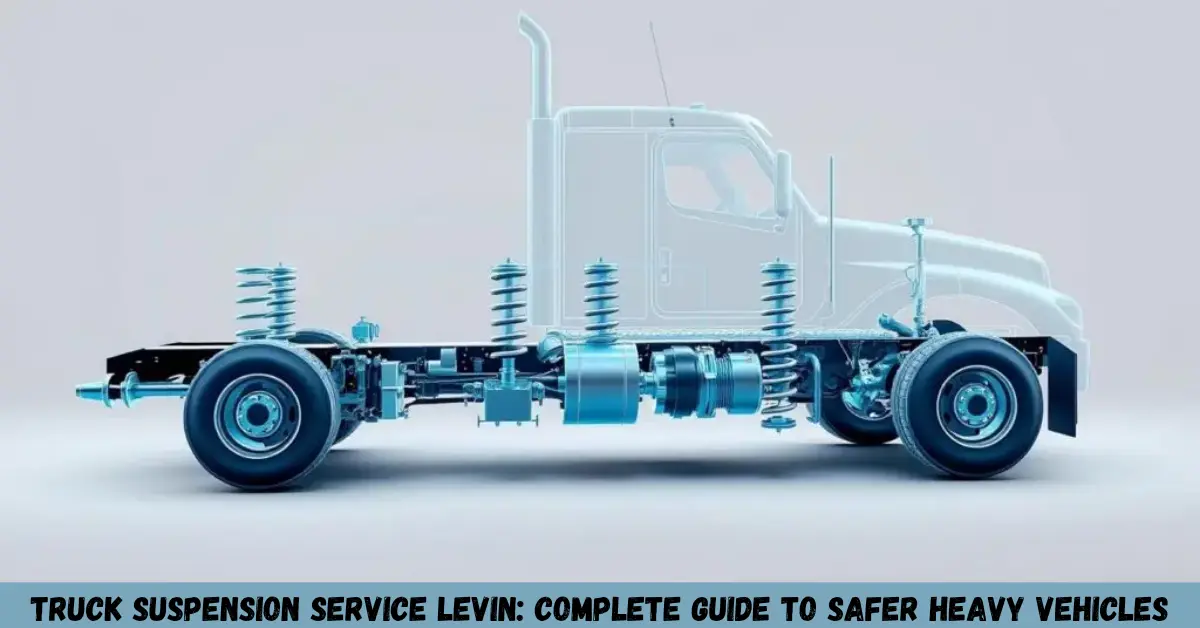
The suspension system works between the vehicle’s chassis and wheels. Its main purpose is to manage movement caused by road surfaces while helping keep the tyres properly connected to the road.
Common truck suspension components include:
- Leaf springs
- Coil springs where applicable
- Shock absorbers
- Air suspension components
- Suspension bushes
- Mounting brackets
- U-bolts and fasteners
- Control arms and related components
- Air bags on air-suspension systems
- Hangers and shackles on suitable suspension designs
A professional truck suspension service Levin inspection normally looks for worn, damaged, loose, leaking, or incorrectly adjusted components.
For example, if a truck starts leaning to one side or develops excessive bouncing after travelling over rough roads, the suspension should be inspected rather than assuming the problem is simply related to tyre pressure.
Why Is Truck Suspension Service Important?
A healthy suspension system contributes to vehicle stability, handling, tyre contact, and driver comfort. Suspension maintenance is especially important for trucks because they operate with substantial vehicle and cargo weight.
Improved Vehicle Stability
Suspension components help control how the truck moves when cornering, braking, accelerating, and travelling over uneven surfaces.
Worn components can change the truck’s behaviour and make it feel less stable.
Better Ride Comfort
Shock absorbers and other suspension components help control excessive movement caused by bumps and uneven road surfaces.
A damaged suspension can make the cab and cargo experience unnecessary movement.
Reduced Uneven Tyre Wear
Suspension problems can affect wheel alignment and how tyres contact the road. This may contribute to uneven tread wear.
Regular suspension inspections can help identify mechanical problems before they create additional tyre-related expenses.
Safer Load Handling
Trucks frequently carry heavy loads, which place greater demands on suspension components.
A suspension system that is inspected and maintained correctly can help the vehicle handle its normal operating load more effectively.
Protection Against Secondary Damage
Ignoring a small suspension problem can sometimes allow additional components to wear.
For example, a damaged bush may contribute to excessive movement, while a leaking air-suspension component may affect ride height and vehicle behaviour.
Common Signs Your Truck Needs Suspension Service
Recognising warning signs early can help prevent unnecessary downtime.
Here are some common symptoms that deserve attention:
1. Excessive Bouncing
If the truck continues bouncing after travelling over a bump, worn or damaged shock absorbers may be involved.
2. Uneven Vehicle Height
If one side of the truck appears lower than the other, there could be an issue with a spring, air suspension component, mounting point, or another related part.
3. Uneven Tyre Wear
Uneven tread wear can have several causes, including alignment, tyre pressure, steering, and suspension problems. A proper inspection is needed to determine the cause.
4. Unusual Noises
Clunking, knocking, squeaking, or other unusual noises from underneath the vehicle can indicate worn or damaged suspension components.
5. Poor Handling
If the truck feels unstable, pulls unexpectedly, or behaves differently when cornering, suspension and steering components should be checked.
6. Visible Damage
Cracked springs, damaged brackets, leaking air bags, loose hardware, or visibly worn bushes should not be ignored.
7. Changes After Carrying a Load
If the truck behaves normally when empty but becomes unstable or unusually low when loaded, the suspension system and load-related components should be inspected.
What Does a Truck Suspension Inspection Include?
A proper truck suspension service Levin inspection should be systematic rather than based only on visible symptoms.
Visual Inspection
The technician can inspect accessible suspension components for:
- Cracks
- Corrosion
- Leaks
- Damaged bushes
- Broken springs
- Loose components
- Worn mounting points
- Damaged brackets
Shock Absorber Check
Shock absorbers control suspension movement. A technician may check for physical damage, leakage, mounting problems, and other signs of deterioration.
Spring Inspection
Leaf springs and other spring systems should be examined for cracks, deformation, damage, or other abnormalities.
Air Suspension Inspection
For trucks using air suspension, the system may be checked for air leaks, damaged air bags, ride-height concerns, and related component problems.
Bush and Mount Inspection
Bushes help reduce unwanted movement and vibration between suspension components. Excessive wear can cause noise, movement, and handling concerns.
Fastener and Mounting Checks
Loose or damaged suspension hardware can create serious mechanical problems. Appropriate fasteners and mounting points should therefore be inspected as part of the service.
How Truck Suspension Service Usually Works

The exact procedure depends on the truck and suspension design, but the process commonly follows several stages.
Step 1: Discuss the Symptoms
The driver or fleet operator explains what they have noticed.
Examples include:
- Excessive bouncing
- Vehicle leaning
- Noise
- Poor handling
- Uneven tyre wear
- Changes in ride height
This information can help narrow down potential causes.
Step 2: Carry Out an Initial Inspection
The technician examines the suspension and related components.
The inspection should consider both the reported symptom and other components that could contribute to the problem.
Step 3: Identify the Cause
A suspension symptom does not always mean one particular part has failed.
For example, uneven tyre wear could involve alignment, tyre pressure, steering, or suspension issues. Correct diagnosis is therefore more useful than replacing parts based only on appearance.
Step 4: Repair or Replace Damaged Components
Depending on the inspection findings, worn or damaged parts may need adjustment, repair, or replacement.
The correct replacement components should match the truck’s specifications and suspension design.
Step 5: Check Related Systems
After suspension work, related areas such as wheel alignment, tyres, steering components, and ride height may need attention depending on the repair.
Step 6: Final Safety Check
The vehicle should be checked again after repairs to confirm that the identified problem has been addressed and the suspension operates as expected.
Truck Suspension Problems That Should Not Be Ignored
Some suspension symptoms deserve prompt attention because they can affect vehicle control.
A truck should be inspected as soon as practical if you notice:
- A broken spring
- Significant vehicle leaning
- Severe suspension noise
- A damaged suspension mounting
- A major air leak
- Serious handling changes
- Excessive bouncing
- Components that appear loose or displaced
Continuing to operate a heavily loaded vehicle with a serious mechanical fault can increase safety risks and potentially cause additional damage.
If a vehicle appears unsafe to drive, it is better to arrange professional assistance rather than continuing the journey.
Benefits of Regular Truck Suspension Maintenance
Regular maintenance is not simply about fixing faults after they occur. Preventive inspections can help identify developing problems earlier.
Helps Reduce Unexpected Downtime
Commercial trucks often depend on reliable operation. Finding a developing suspension problem during scheduled maintenance may reduce the chance of an unexpected breakdown.
Supports Tyre Life
Correct suspension operation, alignment, and tyre maintenance work together to promote more even tyre wear.
Improves Driver Comfort
A properly functioning suspension can reduce unnecessary vibration and harsh movement inside the vehicle.
Supports Better Handling
Suspension components contribute to the truck’s stability and road behaviour.
Helps Protect Other Components
A suspension issue can sometimes place additional stress on tyres, steering components, mounting points, and other parts.
Suspension Service vs Suspension Repair
Although the terms are often used together, servicing and repairing suspension systems are not exactly the same.
| Suspension Service | Suspension Repair |
|---|---|
| Routine inspection | Corrects an identified fault |
| Preventive maintenance | Usually performed after a problem is found |
| Checks component condition | May involve replacing damaged components |
| Helps identify early wear | Restores affected components |
| Can be part of scheduled maintenance | Often requires specific corrective work |
A service may reveal a problem that requires repair. In that situation, inspection comes first so the actual cause can be identified.
Common Mistakes to Avoid
Ignoring Small Noises
A minor clunk may appear harmless, but unusual suspension noises can indicate wear or damage.
Replacing Parts Without Diagnosis
Not every suspension symptom has the same cause. Replacing random components can waste money without solving the underlying issue.
Overlooking Tyres
Tyres and suspension work together. Uneven tyre wear should be investigated rather than treated only as a tyre problem.
Delaying Repairs on Commercial Vehicles
Trucks may accumulate significant mileage and carry heavy loads. Delaying an obvious suspension problem can allow wear to progress.
Using Incorrect Components
Suspension components must be appropriate for the vehicle and its operating requirements. Incorrect parts can create further mechanical problems.
How to Maintain a Truck Suspension System
Good maintenance begins with regular observation and professional inspection.
Useful practices include:
- Follow the vehicle manufacturer’s recommended maintenance schedule.
- Check for unusual suspension noises.
- Monitor tyre wear regularly.
- Pay attention to changes in ride height.
- Inspect visible suspension components when appropriate.
- Report new handling problems promptly.
- Avoid overloading the vehicle.
- Keep records of suspension repairs and component replacements.
- Have recurring problems professionally diagnosed.
- Inspect suspension components after demanding operating conditions when appropriate.
Choosing a Truck Suspension Service in Levin
When arranging truck suspension service Levin, focus on the quality of the inspection and diagnosis rather than choosing a service based only on price.
Consider whether the service provider:
- Understands heavy commercial vehicles
- Can inspect different suspension designs
- Provides clear explanations of identified faults
- Uses suitable replacement components
- Checks related systems when necessary
- Gives practical maintenance advice
- Understands the importance of vehicle downtime
- Provides a clear repair recommendation
For fleet operators, keeping maintenance records can also make it easier to identify recurring suspension problems across individual vehicles.
Internal link
For reliable truck servicing in Levin, regular maintenance can help identify suspension, tyre, steering, and other mechanical issues before they become more serious. You can also learn more about commercial vehicle suspension maintenance and the importance of keeping heavy vehicles properly inspected and maintained.
Regular truck suspension service Levin can help identify worn springs, damaged bushes, shock absorber problems, and other suspension issues. For additional information, visit this external resource on heavy vehicle maintenance to better understand suspension care and vehicle safety.
Frequently Asked Questions
What does truck suspension service include?
Truck suspension service generally involves inspecting suspension components such as springs, shock absorbers, bushes, mounts, fasteners, and air-suspension parts where applicable. The technician looks for wear, damage, leaks, looseness, and other problems. Depending on the findings, servicing may include adjustment, maintenance, component replacement, or further diagnostic work.
How often should a truck suspension be inspected?
Inspection frequency depends on the truck, suspension design, manufacturer recommendations, operating conditions, mileage, load, and road environment. Trucks that regularly carry heavy loads or travel on demanding roads may require closer monitoring. Always follow the manufacturer’s maintenance recommendations and arrange an inspection sooner if unusual noises, handling changes, or visible damage appear.
What are the signs of a damaged truck suspension?
Common warning signs include excessive bouncing, uneven ride height, unusual noises, poor handling, visible spring or mounting damage, air-suspension leaks, and uneven tyre wear. These symptoms can have multiple causes, so a professional inspection is useful before deciding which component needs repair or replacement.
Can suspension problems cause uneven tyre wear?
Yes, suspension problems can contribute to uneven tyre wear, although they are not the only possible cause. Incorrect wheel alignment, tyre pressure, steering problems, worn components, and operating conditions can also affect tyre wear. If unusual tread wear appears, the complete tyre, steering, alignment, and suspension system should be considered.
Is truck suspension maintenance important for loaded vehicles?
Yes. Carrying heavy loads increases the demands placed on a truck’s suspension system. A properly maintained suspension helps the vehicle manage its normal operating conditions and supports stable road behaviour. Trucks should always be operated within applicable weight and manufacturer requirements, and suspension problems should be investigated promptly.
Expert Tips for Better Truck Suspension Maintenance
A few practical habits can make suspension maintenance more effective.
Pay attention to changes. Drivers often notice unusual noises or handling before a problem becomes obvious during a routine inspection.
Do not judge a component in isolation. Suspension, steering, tyres, wheels, and alignment can influence one another.
Keep maintenance records. Recording repairs and recurring symptoms can help technicians understand the vehicle’s history.
Inspect after demanding use. Heavy loads, rough roads, and intensive commercial operation can increase component stress.
Treat safety symptoms seriously. Major suspension damage should be professionally assessed before the vehicle continues normal operation.
Why Professional Diagnosis Matters
Suspension systems vary considerably between trucks. A light-duty vehicle, rigid commercial truck, heavy-duty truck, and vehicle with air suspension can have very different components and maintenance requirements.
That is why professional diagnosis is more useful than assuming every suspension problem has the same solution.
For example, a truck that sits lower on one side could have a spring issue, air-suspension problem, damaged mounting component, load-related issue, or another mechanical cause. Correct diagnosis helps identify the actual source instead of simply treating the visible symptom.
Practical Takeaway for Truck Owners and Fleet Operators
If your truck shows unusual bouncing, leaning, suspension noise, uneven tyre wear, ride-height changes, or handling problems, arrange an inspection rather than waiting for the issue to become severe.
A good truck suspension service Levin approach combines inspection, accurate diagnosis, appropriate repairs, and follow-up checks. Preventive maintenance can also make it easier to identify worn components before they create larger operational problems.
For businesses operating commercial vehicles, suspension maintenance should be considered part of the wider vehicle-maintenance strategy alongside tyres, brakes, steering, engine servicing, and other critical systems.
Conclusion
Truck suspension service Levin plays an important role in maintaining the stability, handling, comfort, and mechanical condition of commercial trucks. Suspension components work under considerable load, so problems involving springs, shock absorbers, bushes, air suspension, mounts, or related hardware should not be ignored.
The most important warning signs include excessive bouncing, uneven ride height, unusual noises, poor handling, visible damage, and abnormal tyre wear. However, these symptoms can have several possible causes, which makes professional diagnosis important.
Regular inspections can help identify developing problems, while prompt repairs can reduce the risk of additional wear and unexpected downtime. Truck owners and fleet operators should also follow manufacturer maintenance recommendations, avoid overloading, monitor tyre condition, and keep useful maintenance records.
