

Introduction
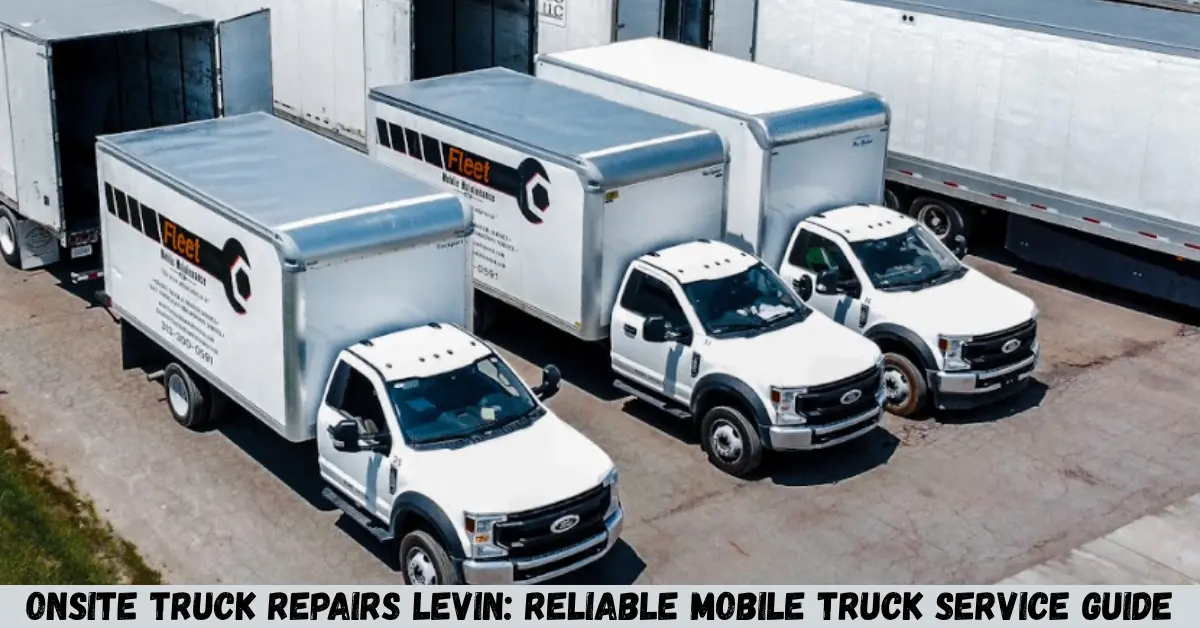
Onsite truck repairs Levin provide a practical way to get a commercial truck inspected, diagnosed, or repaired without necessarily taking it to a traditional workshop. For operators dealing with a breakdown at a depot, farm, roadside location, or worksite, a mobile truck mechanic can travel to the vehicle and assess the problem where it is.
This guide explains what onsite truck repair services typically involve, which problems can often be handled at the vehicle’s location, when a truck should be taken to a workshop, and how operators can choose a suitable repair provider.
Levin is in the Horowhenua district of New Zealand, so truck operators working in and around the area may need repair support for vehicles used in freight, construction, agriculture, logistics, and other commercial activities.
Because heavy vehicles have specific inspection and certification requirements in New Zealand, repairs and compliance should be treated separately. NZTA states that heavy vehicles generally require a Certificate of Fitness (CoF), rather than the light-vehicle Warrant of Fitness system.
What Are Onsite Truck Repairs in Levin?
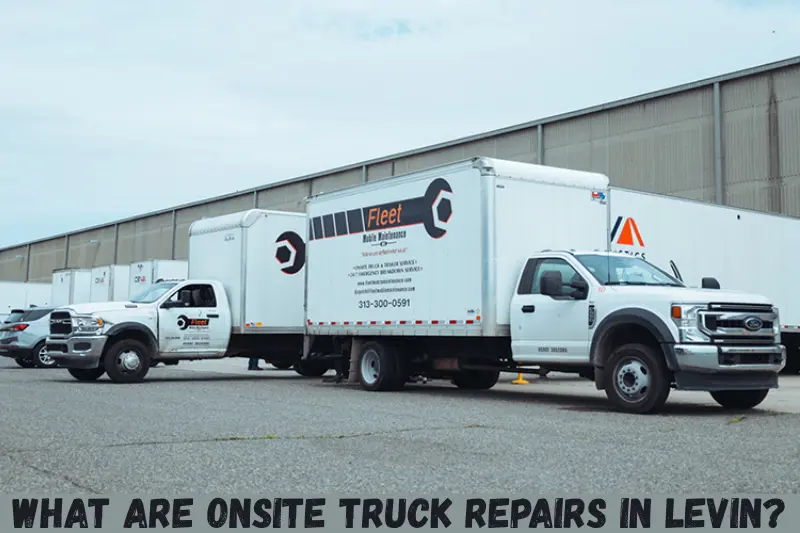
Onsite truck repairs in Levin are mobile mechanical services where a qualified technician travels to the truck instead of requiring the vehicle to be brought immediately to a workshop.
The exact services available depend on the mechanic, vehicle, fault, location, and equipment required. A mobile technician may be able to diagnose mechanical, electrical, or diesel-related problems at the roadside or at a customer’s premises.
Common onsite services can include:
- Truck fault diagnosis
- Diesel engine troubleshooting
- Battery and starting-system checks
- Electrical fault diagnosis
- Brake-related inspections and repairs
- Air-system troubleshooting
- Cooling-system repairs
- Belts, hoses, and filters
- Basic suspension and steering repairs
- Preventive maintenance
- Emergency breakdown assistance
- Trailer-related mechanical checks
- Fleet servicing at a depot or worksite
The important point is that mobile repair does not mean every repair can be completed onsite. Major engine, transmission, structural, or specialist repairs may require workshop equipment.
Why Choose Mobile Truck Repairs in Levin?
The main advantage of mobile truck repairs is convenience. Instead of arranging for a disabled truck to be transported to a workshop before diagnosis, a technician can inspect the vehicle at its current location.
Reduce Unnecessary Downtime
A commercial truck that cannot operate can interrupt deliveries, construction schedules, agricultural work, or other business activities.
An onsite assessment allows the mechanic to determine whether the problem is something that can be repaired immediately or whether recovery to a workshop is necessary.
For example, if a truck has a starting problem, the technician may identify a battery, electrical, connection, or starter-related issue without the truck first needing to be transported.
Get Repairs at a Convenient Location
A truck may be parked at:
- A company depot
- A construction site
- A farm
- A warehouse
- A loading area
- A roadside location
- A customer’s premises
Mobile servicing can be particularly useful for fleet operators because several vehicles may be inspected or maintained at the same location.
Avoid Unnecessary Recovery
Not every immobilised truck requires a tow or heavy-vehicle recovery.
If the fault is relatively straightforward and the technician has the required tools and replacement parts, the vehicle may be repaired at the location.
However, safety comes first. A truck should not be driven simply because it appears to have a minor problem. If steering, braking, tyres, structural components, or other safety-critical systems are compromised, professional assessment is important.
Common Truck Problems That May Require Onsite Repairs
Truck problems can range from simple electrical faults to complex engine failures. A mobile mechanic can usually begin by diagnosing the symptoms.
Starting Problems
A truck that refuses to start may have several possible causes, including:
- Weak or discharged batteries
- Loose battery terminals
- Starter motor problems
- Electrical faults
- Fuel delivery problems
- Sensor issues
- Charging-system faults
Jump-starting the vehicle may sometimes solve a battery-related problem, but repeatedly relying on a jump-start without finding the underlying cause can lead to another breakdown.
Engine Problems
Diesel engines are designed for demanding commercial use, but they still require regular maintenance.
Symptoms that deserve attention include:
- Difficult starting
- Excessive smoke
- Loss of power
- Unusual engine noise
- Overheating
- Warning lights
- Poor fuel performance
- Rough running
A technician should diagnose the cause rather than simply replacing parts based on symptoms.
Brake and Air-System Issues
Heavy trucks use complex braking systems, and faults involving braking components can create serious safety concerns.
Possible warning signs include unusual braking behaviour, air pressure problems, warning indicators, or abnormal noises.
Brake problems should be treated as safety-critical. If the truck cannot be operated safely, arrange professional assistance rather than continuing to drive it.
Electrical Faults
Modern trucks depend on electrical and electronic systems for starting, lighting, sensors, communication, engine management, and other functions.
An onsite technician may use diagnostic equipment to identify fault codes and electrical problems.
A proper diagnosis is important because replacing a component without identifying the actual fault can waste time and money.
Cooling-System Problems
Overheating can quickly become a serious engine issue.
Potential causes include:
- Coolant leaks
- Damaged hoses
- Cooling-fan problems
- Thermostat faults
- Radiator problems
- Water-pump issues
- Low coolant levels
If the engine temperature rises excessively, continuing to operate the truck can cause additional damage. Stop safely and seek professional advice.
How Onsite Truck Repairs Usually Work
The process can vary between repair companies, but a typical mobile truck repair appointment follows several straightforward steps.
1. Contact the Mobile Mechanic
Provide as much information as possible when requesting assistance.
Tell the technician:
- Truck make and model
- Approximate location
- Type of problem
- Warning lights displayed
- Whether the truck starts
- Whether it can move safely
- Any unusual sounds, smells, smoke, or leaks
Good information helps the technician prepare suitable tools and parts.
2. Technician Assesses the Truck
The mechanic arrives at the agreed location and performs an initial inspection.
Depending on the fault, this may involve visual checks, electrical testing, mechanical inspection, or electronic diagnostics.
3. Fault Diagnosis
The technician determines the likely cause of the problem.
A professional diagnosis should distinguish between the visible symptom and the underlying fault.
For example, a truck that will not start may have a battery issue, starter problem, fuel problem, wiring fault, or electronic fault. The symptom alone does not identify the cause.
4. Repair Options Are Explained
If the repair can safely be completed onsite, the technician can explain what needs to be done.
For larger repairs, the technician may recommend transporting the truck to a workshop.
Ask about:
- Labour charges
- Parts costs
- Call-out fees
- Estimated repair time
- Additional diagnostic charges
- Whether the repair is temporary or permanent
- Any follow-up work required
5. Final Testing
After a repair, the technician should verify that the original problem has been addressed.
For safety-critical systems, additional checks may be appropriate before the vehicle returns to normal operation.
Onsite Repairs vs Workshop Repairs
Choosing between mobile repair and a workshop depends on the type and severity of the fault.
| Onsite Truck Repairs | Workshop Truck Repairs |
|---|---|
| Technician travels to the truck | Truck is taken to the workshop |
| Useful for breakdown diagnosis | Better for extensive repairs |
| Convenient for fleet locations | Access to larger equipment |
| Can reduce unnecessary recovery | Suitable for major component removal |
| Helpful for selected roadside faults | Better for engine or transmission overhauls |
| Convenient for routine mobile servicing | Suitable for complex specialist work |
The best option is not always the most convenient option. A major engine, gearbox, chassis, or structural repair may require equipment that cannot reasonably be carried in a service vehicle.
How to Choose Onsite Truck Repairs in Levin
Choosing the right truck mechanic involves more than finding the first mobile repair number online.
Check Heavy-Vehicle Experience
Look for a provider with experience working on commercial trucks and the type of vehicle you operate.
A mechanic familiar with heavy vehicles may understand the demands of fleet operations, diesel systems, braking systems, trailers, and commercial maintenance.
Ask About Mobile Coverage
Before an emergency happens, confirm where the provider operates and whether they cover your normal routes, depot, worksite, or rural operating areas.
Confirm Available Services
Ask whether the mechanic handles:
- Mechanical repairs
- Diesel diagnostics
- Electrical faults
- Preventive maintenance
- Brake systems
- Trailer repairs
- Emergency breakdowns
Not every mobile mechanic offers the same services.
Ask About Diagnostic Equipment
Modern commercial vehicles can contain sophisticated electronic systems. If your truck experiences recurring warning lights or electronic faults, diagnostic capability can be particularly useful.
Clarify Pricing
Before authorising non-urgent work, ask how pricing is calculated.
Potential charges can include:
- Call-out fee
- Travel time
- Labour
- Parts
- Diagnostic charges
- After-hours fees
- Recovery or towing
Clear pricing reduces misunderstandings.
Truck Maintenance Tips to Prevent Breakdowns

Regular maintenance cannot prevent every breakdown, but it can help identify developing problems before they become major failures.
Perform Regular Visual Checks
Before operating the truck, look for obvious problems such as:
- Fluid leaks
- Damaged hoses
- Worn tyres
- Broken lights
- Loose components
- Visible wiring damage
- Unusual fluid levels
The inspection should be appropriate to the vehicle and the operator’s responsibilities.
Pay Attention to Warning Signs
Do not ignore changes in truck behaviour.
A warning light, unusual noise, overheating, reduced braking performance, or loss of engine power can indicate a developing fault.
Early diagnosis may prevent a minor problem from becoming a more expensive breakdown.
Follow the Manufacturer’s Maintenance Schedule
Maintenance intervals vary according to the vehicle, engine, operating conditions, and manufacturer requirements.
Keep records of servicing, repairs, inspections, and replacement parts. Good maintenance records can help fleet operators identify recurring issues.
Maintain Batteries and Electrical Connections
Battery problems are a common reason vehicles fail to start.
Keep battery connections clean and secure, and investigate repeated battery discharge rather than simply replacing the battery each time.
Onsite Repairs and New Zealand Truck Compliance
Repairs and vehicle certification are related but should not be confused.
NZTA explains that heavy vehicles generally require a Certificate of Fitness (CoF), while WoF requirements apply to vehicles that fall within the relevant light-vehicle categories.
A CoF is a regular safety inspection, but passing an inspection does not replace ongoing maintenance. NZTA states that operators are responsible for keeping vehicles up to the required standard between inspections.
For this reason, truck operators should:
- Keep up with scheduled maintenance.
- Address safety-related defects promptly.
- Keep appropriate service records.
- Understand their vehicle’s inspection requirements.
- Use appropriately qualified repair and inspection providers.
- Avoid treating a certification inspection as a substitute for maintenance.
If a truck has structural modifications or significant repairs, additional certification requirements may apply depending on the circumstances. NZTA provides specific guidance for heavy-vehicle modifications and repair certification.
Common Mistakes to Avoid
Ignoring Small Warning Signs
A small leak, warning light, unusual vibration, or starting difficulty can become a larger problem if ignored.
Choosing a Mechanic Only Because of Price
The cheapest call-out may not provide the best value if the technician lacks suitable heavy-vehicle experience or diagnostic equipment.
Consider experience, availability, equipment, workmanship, and transparent pricing together.
Driving an Unsafe Truck to a Workshop
If a truck has a serious braking, steering, tyre, structural, or other safety-related problem, do not assume it is safe to drive.
Ask a qualified professional whether recovery or onsite repair is appropriate.
Replacing Parts Without Proper Diagnosis
Parts replacement without diagnosis can result in unnecessary expense and may fail to solve the original problem.
Waiting Until a Breakdown Happens
Fleet operators can benefit from having a mobile truck repair provider’s contact details available before an emergency occurs.
When Should You Call Onsite Truck Repairs?
You should consider contacting a mobile truck mechanic when the truck has a fault that prevents normal operation or when an inspection at your location would be more practical than taking the vehicle to a workshop.
Examples include:
- Truck will not start
- Battery or electrical failure
- Engine warning light
- Overheating
- Loss of power
- Suspected fuel-system problem
- Mechanical noise
- Certain brake or air-system faults
- Routine mobile maintenance
- Fleet servicing requirements
For serious safety problems, explain the symptoms clearly and follow the technician’s advice about whether the truck should remain stationary.
Benefits and Limitations of Mobile Truck Repairs
Benefits
- Convenient service at the vehicle’s location
- Potentially less unnecessary downtime
- Useful for roadside breakdown diagnosis
- Practical for fleet maintenance
- Can avoid some recovery costs
- Helpful for remote or worksite vehicles
- Allows technicians to diagnose real operating conditions
Limitations
- Limited tools compared with a full workshop
- Some repairs require specialised equipment
- Replacement parts may not be immediately available
- Severe mechanical failures may require recovery
- Weather and roadside conditions can affect the work
- Not every mobile service handles every truck type
Understanding these limitations helps operators choose the right repair solution instead of expecting every fault to be solved roadside.
Internal link
For more useful information about truck maintenance and professional repair services, explore our truck maintenance guide. It covers practical maintenance tips, common truck problems, and ways to help keep commercial vehicles operating safely.
For official information about heavy-vehicle requirements in New Zealand, visit the NZ Transport Agency Certificate of Fitness guide. This resource explains important certification requirements for applicable heavy vehicles.
Regular maintenance can help identify truck problems before they become more serious. For practical maintenance advice, read our truck maintenance guide, and for official information about heavy-vehicle certification requirements in New Zealand, refer to the NZ Transport Agency Certificate of Fitness guide.
Frequently Asked Questions
What are onsite truck repairs in Levin?
Onsite truck repairs are mobile mechanical services where a technician travels to the truck instead of requiring the vehicle to be taken directly to a workshop. Depending on the fault and available equipment, the technician may diagnose and repair mechanical, electrical, diesel, or other problems at the truck’s location.
Can a mobile truck mechanic repair a truck that will not start?
Often, a mobile mechanic can diagnose a no-start condition onsite. Possible causes include battery, starter, electrical, fuel, or electronic faults. However, the repair depends on the actual problem, available parts, and equipment. If the fault is extensive, the truck may need to be recovered to a suitable workshop.
Are onsite truck repairs suitable for heavy vehicles?
Yes, mobile services can be suitable for selected heavy-vehicle repairs and maintenance. However, the provider’s experience and equipment matter. Major engine, transmission, structural, or specialist repairs may require workshop facilities. Heavy vehicles also have specific New Zealand certification requirements, including CoF requirements for applicable vehicles.
How much do onsite truck repairs cost in Levin?
There is no single price for onsite truck repairs because costs depend on the fault, travel distance, labour time, parts, diagnostic requirements, and whether the service occurs outside normal hours. Ask the repair provider about call-out, travel, labour, parts, and after-hours charges before approving non-emergency work.
How can I prevent truck breakdowns?
Regular servicing, inspections, timely repairs, and following the manufacturer’s maintenance schedule can reduce avoidable failures. Drivers and operators should also pay attention to warning lights, unusual noises, fluid leaks, overheating, and changes in vehicle performance. Keeping maintenance records can help identify recurring problems and plan servicing more effectively.
Expert Tips for Better Truck Maintenance
For truck owners and fleet managers, a proactive approach is usually more effective than waiting for a breakdown.
Keep a simple maintenance record for every vehicle containing:
- Service dates
- Odometer or operating information
- Repairs completed
- Parts replaced
- Recurring faults
- Inspection dates
- Upcoming maintenance
- Certification information
It is also useful to have a breakdown procedure ready. Drivers should know who to contact, what information to provide, and what to do if the vehicle becomes unsafe or immobilised.
When contacting onsite truck repairs Levin, provide the exact location and describe the symptoms as accurately as possible. A technician who knows the truck’s symptoms before arriving may be better prepared with diagnostic equipment and commonly required parts.
Conclusion
Onsite truck repairs Levin can be a practical solution when a commercial truck needs mechanical assistance at a depot, worksite, farm, or roadside location. Mobile truck mechanics can diagnose many faults without requiring the vehicle to be transported immediately to a workshop, potentially making breakdown management more convenient.
However, onsite repair is not a replacement for a properly equipped workshop in every situation. Major engine, transmission, structural, and specialist repairs may require additional equipment and facilities.
Truck operators should focus on regular maintenance, early diagnosis, safe operating practices, and appropriate vehicle certification. In New Zealand, applicable heavy vehicles require a Certificate of Fitness, and operators remain responsible for keeping vehicles in a safe and compliant condition between inspections.
If your truck develops a fault in or around Levin, the practical next step is to contact a suitable mobile heavy-vehicle repair provider, explain the symptoms and location, and ask whether the problem can be safely diagnosed or repaired onsite.

1 Comment
Pingback: Truck Computer Diagnostics Levin: 7 Powerful Repair Tips