


Truck Differential Repairs Levin: A Complete Guide to Diagnosis, Repair & Maintenance
Truck differential repairs Levin are important when a commercial vehicle develops unusual drivetrain noises, oil leaks, vibration, or difficulty transferring power to the wheels. A differential allows the driven wheels to rotate at different speeds while helping transfer engine power through the drivetrain. When its gears, bearings, seals, or other components become damaged, continuing to drive can turn a relatively manageable repair into a major drivetrain problem.
This guide explains what a truck differential does, the common causes of differential failure, warning signs to watch for, how professional diagnosis and repair generally work, and how regular maintenance can reduce the risk of expensive breakdowns. It is also useful for fleet operators, truck owners, drivers, and businesses looking for a better understanding of truck differential repairs Levin.
Because differential problems can vary significantly between trucks, the correct repair depends on the vehicle’s axle design, differential type, operating conditions, service history, and the specific component that has failed.
What Is a Truck Differential?
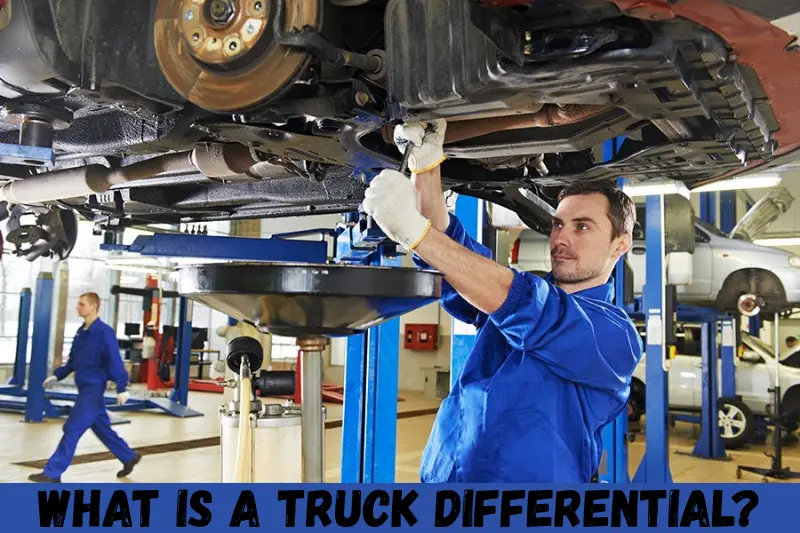
A truck differential is a drivetrain component that transfers power from the driveshaft to the axle shafts while allowing the wheels on the same axle to rotate at different speeds.
This difference in wheel speed is particularly important when a truck turns. The outside wheel travels a longer distance than the inside wheel, so both wheels cannot efficiently rotate at exactly the same speed.
A typical differential assembly may include:
- Ring gear
- Pinion gear
- Differential gears
- Bearings
- Axle shafts
- Seals
- Differential housing
- Lubricating oil
In heavy commercial vehicles, these components are subjected to substantial loads. Heavy payloads, towing, long-distance operation, steep roads, poor lubrication, and repeated acceleration can all increase drivetrain stress.
Why Are Truck Differential Repairs in Levin Important?
Truck differential repairs Levin can prevent a minor drivetrain fault from developing into a major mechanical failure. A worn bearing or leaking seal may initially produce only a noise or small oil leak, but continued operation can damage gears and other internal components.
For commercial operators, the differential is especially important because an unexpected drivetrain failure can affect:
- Vehicle availability
- Delivery schedules
- Operating costs
- Driver safety
- Fleet productivity
- Repair expenses
Early diagnosis is therefore usually more practical than waiting until the differential fails completely.
Common Signs of a Differential Problem
Recognising early symptoms can help truck owners arrange an inspection before serious damage occurs.
Whining or Humming Noise
A differential that produces a whining, humming, or howling sound may have worn gears, incorrect gear contact, bearing wear, or lubrication problems.
The sound may change depending on whether the truck is accelerating, maintaining speed, or slowing down.
Grinding or Knocking Sounds
Grinding, clunking, or knocking noises can indicate a more serious internal problem.
Possible causes include:
- Damaged gears
- Excessive gear backlash
- Worn bearings
- Loose components
- Insufficient lubrication
A truck making severe mechanical noises should be inspected promptly rather than operated until the problem becomes worse.
Differential Oil Leaks
Oil around the differential housing, pinion area, or axle seals can indicate a leaking seal, gasket, or damaged component.
Low lubricant levels are particularly concerning because differential gears and bearings rely on proper lubrication to control friction and heat.
Excessive Vibration
Drivetrain vibration can have several causes, so it should not automatically be blamed on the differential. However, worn differential components, damaged bearings, axle problems, driveshaft issues, or incorrect alignment can contribute to vibration.
Professional diagnosis is important because several drivetrain components can create similar symptoms.
Difficulty Transferring Power
If a truck experiences unusual power delivery, wheel-related problems, or drivetrain engagement issues, the differential and related components may need inspection.
The exact symptom depends on the truck’s drivetrain configuration and the nature of the failure.
What Causes Differential Failure in Trucks?
There is rarely one universal cause of differential failure. Several mechanical and operating factors can contribute.
Low or Incorrect Differential Oil
Differential oil provides lubrication and helps protect gears and bearings from excessive friction and heat.
A leak can gradually reduce the oil level. Using an incorrect lubricant can also affect component protection.
Worn Bearings
Differential bearings support rotating components and help maintain correct alignment.
As bearings wear, they can create noise, vibration, heat, and excessive movement. Continued operation may eventually damage other components.
Damaged Gears
Ring and pinion gears must maintain proper contact. Excessive wear, incorrect setup, contamination, overload, or lubrication problems can damage their surfaces.
Gear damage can produce distinctive whining, grinding, or clunking noises.
Heavy Loads and Overloading
Commercial trucks are designed to carry specific loads. Operating beyond the vehicle’s rated capacity can place additional stress on the axle and drivetrain.
Repeated overloading can accelerate wear and increase the likelihood of drivetrain problems.
Poor Maintenance
Ignoring oil leaks, unusual noises, scheduled inspections, or lubricant replacement can allow small problems to become major failures.
Preventive maintenance is generally less disruptive than an unexpected drivetrain breakdown.
Incorrect Differential Setup
During a rebuild or component replacement, gear backlash, bearing preload, gear contact pattern, and other specifications must be correctly established.
Incorrect setup can cause premature wear even when new components have been installed.
How Truck Differential Repairs Levin Are Normally Diagnosed
A professional diagnosis should identify the actual source of the problem before components are replaced.
Step 1: Discuss the Symptoms
The technician may ask:
- When did the noise begin?
- Does it occur during acceleration or deceleration?
- Does the sound change while turning?
- Has the truck recently carried a heavy load?
- Has the differential been repaired previously?
- Has there been an oil leak?
This information can help narrow down potential causes.
Step 2: Perform a Visual Inspection
The differential housing, seals, axle area, driveshaft, and related components can be inspected for visible damage or leaks.
Oil contamination or signs of lubricant loss may provide useful clues.
Step 3: Check the Differential Oil
The lubricant can be checked for level, condition, and contamination.
Metal particles or unusual debris in the lubricant may indicate internal component wear. If contamination is found, further inspection may be required.
Step 4: Check Related Drivetrain Components
A differential does not work independently. The driveshaft, universal joints, axle shafts, wheel bearings, transmission, and other drivetrain components may also create similar symptoms.
A proper diagnosis should therefore consider the complete drivetrain.
Step 5: Inspect Internal Components
If external checks indicate an internal differential problem, the assembly may need to be opened for inspection.
Technicians can examine:
- Ring and pinion gears
- Bearings
- Differential gears
- Shims
- Seals
- Gear contact surfaces
- Housing condition
Step 6: Repair or Replace Damaged Components
Depending on the findings, the repair may involve replacing individual components or rebuilding the differential assembly.
In some cases, replacement of the complete differential assembly may be more practical than rebuilding it.
Step 7: Correctly Set Up the Differential
During a rebuild, precise measurements and manufacturer specifications are important.
Gear backlash, bearing preload, and gear contact pattern can affect differential performance and service life.
Step 8: Test the Vehicle
After the repair, the vehicle should be checked for leaks, abnormal noise, vibration, and correct drivetrain operation.
A final inspection helps confirm that the repair has addressed the original problem.
Repair vs Differential Replacement
Not every damaged differential needs to be completely replaced. The right choice depends on the condition of the housing and internal components.
| Repair or Rebuild | Complete Replacement |
|---|---|
| Suitable when individual components are damaged | Useful when extensive damage exists |
| Can involve replacing bearings, seals or gears | May reduce rebuilding time in some situations |
| Requires correct setup and measurements | Must still be correctly installed |
| Existing housing may be retained | A complete assembly is installed |
| Depends on parts availability and condition | Depends on compatible replacement availability |
A qualified technician can compare the condition, repair cost, vehicle requirements, and downtime before recommending an option.
Benefits of Professional Differential Repairs
Choosing proper diagnostic and repair procedures can provide several practical advantages.
Reduced Risk of Further Damage
Finding a worn bearing, damaged seal, or lubrication issue early can help prevent additional drivetrain damage.
Better Vehicle Reliability
A correctly repaired differential can help restore normal drivetrain operation and reduce the risk of unexpected mechanical problems.
Improved Fleet Uptime
For commercial vehicles, avoiding unnecessary downtime can be especially valuable. Planned repairs are generally easier to manage than sudden roadside failures.
Correct Component Setup
Differential assemblies require accurate adjustment. Professional repair helps ensure components are installed and set according to the appropriate specifications.
Better Long-Term Maintenance
A differential inspection can reveal underlying issues that might otherwise remain unnoticed until they become severe.
Limitations and Considerations
Differential repair is not always a simple or inexpensive job. Heavy-duty axle assemblies contain precision components that require correct diagnosis and setup.
Repair costs can depend on:
- Truck make and model
- Differential design
- Extent of damage
- Parts required
- Labour involved
- Availability of replacement components
- Whether rebuilding or replacement is selected
It is also important not to assume that every drivetrain noise means the differential has failed. Driveshafts, universal joints, wheel bearings, tyres, transmissions, and other components can produce similar symptoms.
How to Maintain a Truck Differential
Preventive maintenance can help identify problems before they become severe.
Check for Oil Leaks
Regularly inspect around the differential housing, seals, and axle area for signs of lubricant leakage.
Use the Correct Lubricant
Always follow the vehicle or axle manufacturer’s specifications for lubricant type, grade, and service requirements.
Avoid Overloading
Operating a truck beyond its intended load rating can increase stress on the drivetrain and other mechanical components.
Investigate New Noises
Do not ignore a new whining, grinding, humming, or knocking noise.
A small noise may be easier and less disruptive to address than a complete differential failure.
Follow the Maintenance Schedule
Scheduled inspections and lubricant servicing should be performed according to the truck and axle manufacturer’s requirements.
Inspect After Severe Operating Conditions
Heavy towing, demanding terrain, repeated high loads, and other severe operating conditions may justify additional inspection depending on the manufacturer’s recommendations and the vehicle’s application.
Common Mistakes to Avoid
Ignoring Small Oil Leaks
A small leak can eventually reduce lubricant levels enough to increase internal wear.
Continuing to Drive With Severe Noise
Operating a truck with worsening differential noise can allow damaged components to affect other parts.
Using the Wrong Oil
Differential lubricants are not universally interchangeable. The correct specification matters.
Replacing Parts Without Proper Diagnosis
Replacing a differential component without confirming the actual fault can waste time and money.
Incorrect Gear Adjustment
A differential rebuild requires accurate setup. Incorrect backlash or bearing adjustment can lead to premature wear and noise.
Focusing Only on the Differential
A complete drivetrain inspection is important because similar symptoms can originate from other components.
When Should You Seek Truck Differential Repairs in Levin?
You should arrange a professional inspection when you notice persistent drivetrain noise, oil leakage, unusual vibration, repeated knocking, or other symptoms that appear to be coming from the axle or differential.
A particularly important warning sign is a symptom that is becoming progressively worse.
For commercial vehicles, early inspection can also make maintenance easier to plan around operating schedules.
If the truck develops severe mechanical noise, loss of drivetrain function, visible major damage, or another serious fault, continuing to operate the vehicle may increase the risk of further damage. In such circumstances, professional assessment is the safer approach.
Practical Tips for Truck Owners and Fleet Operators
If you operate trucks regularly, keep a simple record of differential-related maintenance.
Record:
- Differential oil servicing
- Oil leaks
- Repairs and replacement parts
- Unusual noises
- Mileage or operating hours
- Heavy-load applications
- Previous drivetrain inspections
This information can help technicians understand the vehicle’s history and identify recurring problems.
Fleet operators can also encourage drivers to report unusual noises or drivetrain behaviour early rather than waiting until a vehicle becomes undriveable.
Internal link
For reliable truck differential repairs Levin, it is important to identify drivetrain problems early and choose the right repair solution. Regular truck servicing in Levin can help detect differential issues before they become more serious. For technical specifications and maintenance recommendations, vehicle owners should also refer to the manufacturer’s official service information.
Frequently Asked Questions
What are the main signs that a truck differential needs repair?
Common warning signs include whining or humming noises, grinding, clunking, oil leaks, unusual vibration, and changes in drivetrain behaviour. These symptoms do not always prove that the differential itself has failed because other drivetrain components can produce similar symptoms. A professional inspection is therefore recommended before deciding which component requires repair.
How long can a truck drive with a noisy differential?
There is no safe universal mileage or time limit for a noisy differential. The cause and severity of the noise determine the risk. A minor issue may develop gradually, while serious gear or bearing damage can worsen quickly. If a noise is new, loud, or getting worse, arranging an inspection promptly is the better approach.
Can a leaking truck differential be repaired?
Yes, a differential leak can often be repaired when the cause is a worn seal, gasket, or another serviceable component. However, simply replacing the leaking seal may not address internal damage if the differential has been operating with insufficient lubricant. The assembly should be inspected to determine the actual cause and extent of the problem.
Is it better to rebuild or replace a truck differential?
It depends on the condition of the differential. A rebuild may make sense when the housing and major components remain suitable and only specific parts require replacement. Complete replacement may be considered when damage is extensive or a suitable replacement assembly is available. The decision should consider condition, parts, labour, compatibility, and downtime.
How can I prevent differential problems on a commercial truck?
Regular maintenance is one of the best ways to reduce avoidable differential problems. Follow the manufacturer’s lubrication requirements, inspect for leaks, avoid overloading, investigate unusual noises early, and maintain related drivetrain components. Keeping accurate service records can also help identify recurring issues and make future troubleshooting more efficient.
Expert Tips for Better Differential Maintenance
A few simple practices can make differential maintenance more effective:
- Do not ignore new drivetrain noises. Early diagnosis can prevent a minor issue from becoming more extensive.
- Check for leaks regularly. Lubricant loss should be investigated rather than simply topped up repeatedly.
- Use manufacturer-approved specifications. This applies to lubricant, replacement parts, and differential setup.
- Inspect the entire drivetrain. Differential symptoms can overlap with driveshaft, axle, bearing, and transmission problems.
- Keep maintenance records. Previous repairs and lubricant servicing can provide valuable diagnostic information.
- Consider the truck’s workload. Heavy loads and demanding operating conditions can influence drivetrain wear.
- Use qualified repair procedures. Differential gear setup requires precision and should not be treated like a basic bolt-on repair.
Final Thoughts on Truck Differential Repairs Levin
Truck differential repairs Levin are an important part of maintaining reliable commercial vehicles and protecting the wider drivetrain. The differential works under significant mechanical loads, and problems involving gears, bearings, seals, lubrication, or adjustment can become more serious when ignored.
The most useful approach is to pay attention to early warning signs such as unusual whining, grinding, vibration, clunking, or oil leakage. A proper diagnosis should consider the complete drivetrain rather than assuming that every noise originates from the differential.
For truck owners and fleet operators, regular inspections, correct lubrication, sensible loading, and timely repairs can help reduce avoidable downtime. When a differential problem is suspected, the practical next step is to arrange a professional inspection and determine whether the assembly requires a minor repair, component replacement, rebuild, or complete replacement.
