

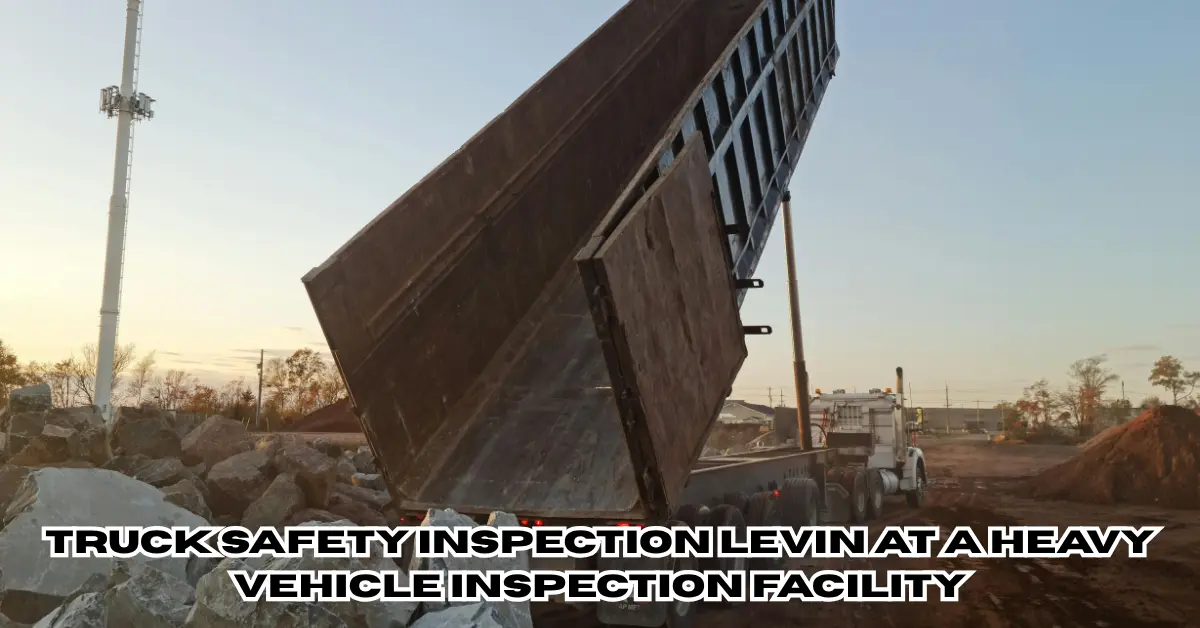
truck safety inspection levin is an important part of keeping heavy vehicles safe and legally compliant on New Zealand roads. For truck owners, fleet operators, drivers, and businesses researching inspection requirements from India, understanding the process can make vehicle maintenance and compliance much easier.
A truck safety inspection in Levin generally relates to the inspection and certification requirements that apply to heavy vehicles in New Zealand. Heavy vehicles commonly require a Certificate of Fitness (CoF) rather than a standard Warrant of Fitness (WoF). According to NZ Transport Agency Waka Kotahi (NZTA), heavy vehicles generally require a CoF, and a current CoF confirms that the vehicle was inspected and found roadworthy at the time of the inspection.
This guide explains what a truck inspection involves, what inspectors look for, how to prepare a truck, common reasons for failure, and practical maintenance tips that can help operators keep vehicles in safe operating condition.
What Is a Truck Safety Inspection in Levin?
A truck safety inspection is a formal examination of a heavy vehicle to determine whether it meets applicable safety and roadworthiness requirements.
In New Zealand, most heavy vehicles require a Certificate of Fitness (CoF). NZTA states that vehicles with a gross vehicle mass (GVM) above 3,500 kg generally require a CoF, as do vehicles operating under a transport service licence regardless of weight.
The inspection is designed to identify safety-related problems that could affect the truck, its driver, other road users, or the load being transported.
A truck inspection can involve checking areas such as:
- Brakes and braking performance
- Tyres and wheel condition
- Steering components
- Suspension
- Lights and indicators
- Windscreen and visibility
- Mirrors
- Doors and access points
- Exhaust and silencer systems
- Safety equipment
- Structural condition
- Load-related safety requirements
- Safety belts where fitted
The exact requirements depend on the vehicle class and applicable inspection rules.
Why Is Truck Safety Inspection Important?
The main purpose of a truck safety inspection is to confirm that a vehicle is suitable for continued road use.
Heavy trucks operate with significant mass and can travel long distances under demanding conditions. Problems with brakes, tyres, steering, suspension, lighting, or structural components can create serious safety risks.
Regular inspections also encourage operators to identify defects before they become expensive mechanical problems.
For businesses, maintaining inspection compliance can help reduce unexpected downtime and support better fleet management.
A valid CoF does not mean that a truck can be ignored between inspections. NZTA specifically notes that operators are responsible for keeping their vehicles in safe condition at all times.
Truck Safety Inspection Levin and the Certificate of Fitness
For many truck owners, the most important distinction is between a WoF and a CoF.
What Is a CoF?
A Certificate of Fitness is an official certification for vehicles that fall into the CoF categories.
Heavy vehicles generally fall under CoF requirements. NZTA’s inspection guidance lists heavy vehicles, other than specified exceptions, among vehicles requiring a CoF.
A current CoF indicates that the vehicle passed the applicable inspection at the time it was examined.
The CoF label is displayed inside the windscreen on the driver’s side and should be clearly visible from outside the vehicle.
How Long Does a Truck CoF Last?
A CoF is usually issued for six months, although the applicable period can vary in specific circumstances. NZTA’s current guidance notes that some vehicles may have a different authorised inspection frequency, so operators should always check the expiry date on the vehicle’s CoF label.
This means truck operators should not rely on a general calendar rule. The actual expiry date shown for the vehicle should be treated as the important reference.
What Does a Truck Safety Inspection Check?
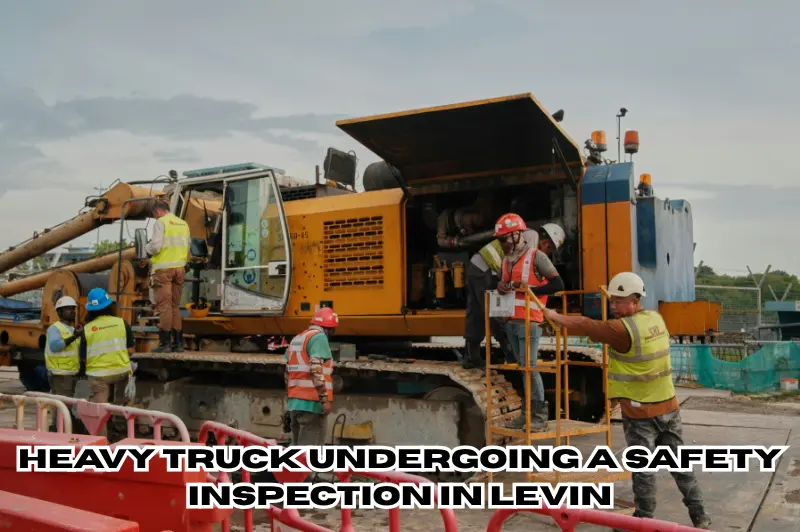
A proper inspection examines safety-critical parts and systems rather than simply looking at whether the truck appears clean or well maintained.
Brakes
Brakes are one of the most important areas of any heavy vehicle inspection.
Inspectors may assess the condition and operation of braking components and the vehicle’s braking performance according to the applicable inspection requirements.
Before an inspection, operators should pay attention to:
- Unusual braking behaviour
- Air-system problems where applicable
- Warning lights
- Uneven braking
- Unusual noises
- Brake-related leaks
- Changes in pedal or braking response
Brake problems should be addressed promptly rather than waiting for the inspection date.
Tyres and Wheels
Tyres must be suitable and in safe condition.
NZTA’s heavy vehicle guidance states that heavy vehicle tyres must have a tread depth of at least 1.5 mm right around the tyre.
Operators should regularly inspect tyres for:
- Excessive wear
- Damage
- Cuts
- Bulges
- Uneven wear
- Incorrect inflation
- Problems around wheels or wheel fasteners
Tyre condition is especially important for trucks that travel long distances or carry heavy loads.
Steering and Suspension
Steering and suspension systems affect how a truck handles, stops, and remains stable.
Before taking a truck for inspection, operators should investigate:
- Excessive play in steering
- Unusual vibration
- Abnormal tyre wear
- Damaged suspension components
- Unusual noises
- Changes in vehicle handling
A vehicle that feels different while driving should be inspected by a qualified professional rather than simply taken to the inspection station and hoping it passes.
Lights and Indicators
Lighting equipment helps drivers communicate with other road users and maintain visibility.
A truck inspection can involve checking required lights and indicators, including headlights, stop lights, position lights, and direction indicators.
Before inspection, check that:
- Required lights operate correctly
- Lenses are not badly damaged
- Indicators function properly
- Stop lights activate correctly
- Lights are clean and visible
A failed bulb can be a small repair, but ignoring lighting problems can create unnecessary inspection issues.
Windscreen, Wipers and Visibility
A clear field of vision is essential for safe truck operation.
Inspectors can assess the condition of the windscreen and other visibility-related equipment. NZTA’s heavy vehicle requirements include a windscreen that meets safety standards and working windscreen wipers.
Drivers should check for:
- Cracks or damage
- Poor visibility
- Damaged wiper blades
- Washer problems
- Obstructions affecting the driver’s view
How to Prepare for a Truck Safety Inspection in Levin
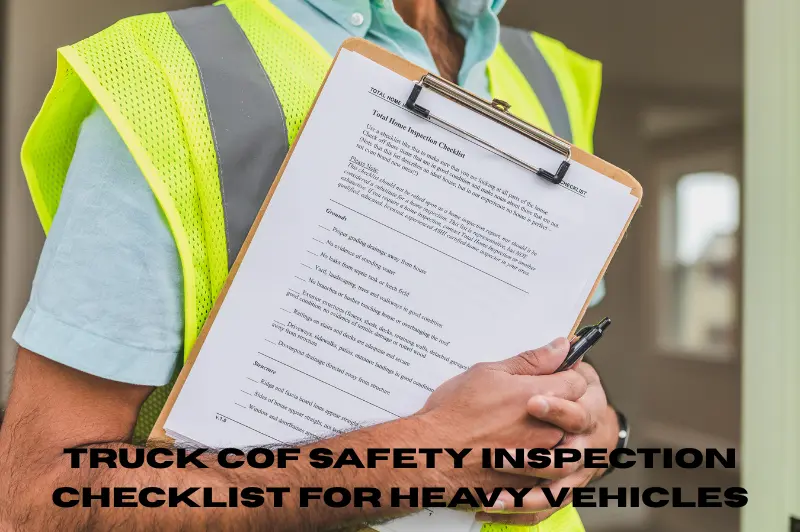
Preparation can reduce the likelihood of avoidable defects.
1. Check the Inspection Expiry Date
Start by checking the truck’s current CoF information.
Do not wait until the last moment. Give yourself enough time to arrange repairs if a problem is discovered.
2. Perform a Walk-Around Inspection
A daily walk-around is a useful first line of defence against vehicle defects.
Check the truck from the outside and look for obvious issues involving:
- Tyres
- Lights
- Mirrors
- Bodywork
- Leaks
- Doors
- Safety equipment
- Trailer connections where applicable
NZTA recommends that heavy vehicle drivers perform a walk-around check at the beginning of each day.
3. Check the Braking System
Pay attention to any changes in braking behaviour.
If the truck has an air-brake system, warning signs involving air pressure or related components should not be ignored.
4. Inspect Tyres Carefully
Check tread, condition, inflation, and visible damage.
Do not only inspect the outside-facing side of a tyre. Problems can also occur on areas that are harder to see.
5. Test Lights and Indicators
Turn on the relevant lighting systems and confirm that they operate correctly.
Replace defective bulbs or repair electrical problems before the inspection.
6. Check Steering and Suspension
If the truck has developed unusual vibration, handling changes, or abnormal tyre wear, arrange a professional inspection.
7. Review Load and Vehicle Equipment
Truck operators should make sure required equipment is present, secure, and suitable for the vehicle.
Load security is particularly important because an unsecured load can become a major road safety hazard.
Common Reasons a Truck May Fail an Inspection
A truck can fail when one or more safety requirements are not met.
Common problem areas include:
- Unsafe tyres
- Brake defects
- Faulty lights
- Steering problems
- Suspension defects
- Unsafe windscreen condition
- Damaged safety equipment
- Structural deterioration
- Exhaust problems
- Doors that do not operate safely
- Other vehicle-specific compliance issues
The exact reason for failure depends on the inspection findings and the applicable requirements.
It is important not to assume that every truck inspection failure is a major mechanical breakdown. Some problems can be relatively straightforward to correct, while others require more extensive repairs.
What Happens If a Truck Fails Its CoF Inspection?
If a truck fails its CoF inspection, the operator normally needs to address the identified defects before the vehicle can receive the required certification.
NZTA explains that when a heavy vehicle fails its CoF inspection, the inspection documentation provides information about the outcome, and the vehicle must be repaired and brought back for re-inspection. During the relevant period, driving restrictions apply, including driving for repair and re-inspection purposes as specified by the rules.
The timing of a recheck matters. NZTA’s inspection guidance states that a recheck following a failed inspection can be free of an additional inspection fee when it is completed within 28 days and at the same inspecting organisation, although CoF re-inspection fees may apply.
Operators should therefore read the inspection documentation carefully and confirm the requirements with the inspecting organisation.
Truck Safety Inspection vs Regular Truck Maintenance
A safety inspection and routine maintenance are not the same thing.
A safety inspection checks whether the vehicle meets specified safety and certification requirements at the time of inspection.
Routine maintenance is the ongoing work needed to keep the truck reliable and safe.
For example, an inspection may identify whether a safety-related component meets the applicable requirement, while routine maintenance may include scheduled servicing, lubrication, fluid checks, component replacement, and preventative repairs.
Good fleet management uses both.
Why Preventive Maintenance Matters
Preventive maintenance can help identify problems before they become serious.
A practical maintenance programme can include:
- Scheduled servicing
- Brake inspections
- Tyre monitoring
- Fluid checks
- Battery inspection
- Lighting checks
- Steering and suspension inspections
- Trailer inspections
- Record keeping
- Driver defect reporting
The exact maintenance schedule should follow the truck manufacturer’s recommendations and the operator’s operating conditions.
Technology Can Make Truck Inspections Easier
Although a physical inspection remains essential, technology can support better fleet management.
Fleet operators can use digital tools to maintain:
- CoF expiry reminders
- Maintenance schedules
- Vehicle inspection records
- Driver defect reports
- Repair histories
- Tyre replacement records
- Service intervals
For larger fleets, digital maintenance management can reduce the risk of missing important dates.
A simple electronic checklist can also help drivers report problems consistently.
However, technology should support—not replace—a proper physical inspection by an authorised inspector.
Common Mistakes to Avoid
Truck operators can avoid many unnecessary problems by preparing properly.
Waiting Until the Last Day
Leaving inspection preparation until the expiry date can create pressure if repairs are needed.
Schedule maintenance early enough to allow time for repairs and re-inspection if necessary.
Checking Only the Obvious Parts
Some operators focus on tyres and lights but overlook steering, suspension, brakes, structural areas, or other requirements.
A complete pre-inspection check is more effective.
Ignoring Small Defects
A small lighting, tyre, or equipment problem may seem unimportant, but safety requirements exist for a reason.
Report and repair defects promptly.
Assuming a Previous Pass Guarantees the Next Pass
A truck that passed its previous inspection can develop new defects.
The condition of a vehicle can change significantly with mileage, load, weather, road conditions, and normal wear.
Treating the CoF as a Maintenance Certificate
A CoF confirms the result of the applicable inspection. It is not a substitute for ongoing maintenance.
NZTA’s guidance makes clear that vehicle operators remain responsible for keeping their vehicles up to the required standard between inspections.
How Indian Truck Operators Can Understand Levin’s Inspection System
If you are researching truck safety inspection Levin from India, remember that Levin is in New Zealand, so the relevant legal framework is New Zealand’s vehicle inspection and certification system.
Indian fleet operators, logistics professionals, transport businesses, students, and automotive researchers may encounter New Zealand terminology such as:
- NZTA
- Waka Kotahi
- Certificate of Fitness
- CoF
- Warrant of Fitness
- WoF
- GVM
- Heavy vehicle
- Vehicle Inspection and Certification
These terms should not automatically be treated as equivalent to India’s own vehicle compliance terminology.
For accurate New Zealand requirements, NZTA’s official vehicle inspection guidance should be treated as the primary reference because inspection rules can change over time.
Benefits of Keeping a Truck Inspection-Ready
Keeping a truck ready for inspection provides several practical benefits.
Improved Road Safety
Regular checks help identify safety-related defects before they become more serious.
Less Unexpected Downtime
Finding problems during planned maintenance is generally easier to manage than discovering them when a vehicle needs to be working.
Better Fleet Records
Documented inspections and repairs give operators a clearer history of vehicle condition.
Easier Compliance Management
Tracking CoF expiry dates and maintenance tasks helps businesses stay organised.
Better Driver Confidence
Drivers can work more confidently when vehicles are maintained and safety systems are checked regularly.
Limitations of a Truck Safety Inspection
A safety inspection is important, but it does not replace comprehensive vehicle maintenance.
A truck can pass an inspection and later develop a mechanical problem. Similarly, passing an inspection does not mean every component has unlimited remaining service life.
Operators should therefore continue following manufacturer maintenance schedules and address defects as soon as they appear.
This distinction is important because certification is a snapshot of vehicle compliance at the inspection time, while maintenance is an ongoing responsibility.
For more useful information about truck maintenance, vehicle safety, and heavy-duty automotive technology, explore our related guides. You can also learn more about truck roadside assistance and practical solutions for keeping commercial vehicles safe and reliable.
For the latest official requirements and vehicle inspection information, truck operators should refer to NZ Transport Agency Waka Kotahi (NZTA). Its official resources provide current guidance on heavy vehicle safety, certification, and compliance requirements in New Zealand.
Frequently Asked Questions
What is a truck safety inspection in Levin?
A truck safety inspection in Levin is an inspection of a heavy vehicle against applicable New Zealand safety and certification requirements. Most heavy vehicles generally require a Certificate of Fitness rather than a standard WoF. The inspection can cover areas such as brakes, tyres, steering, suspension, lighting, glazing, equipment, and structural safety.
How often does a truck need a CoF in New Zealand?
A CoF is usually issued for six months, although the applicable period can vary depending on the vehicle and its circumstances. Operators should always check the actual expiry date on the CoF label rather than relying only on a general schedule. NZTA guidance should be checked for current requirements.
What should I check before a truck inspection?
Before an inspection, check tyres, brakes, lights, steering, suspension, windscreen, wipers, mirrors, doors, safety equipment, and other relevant vehicle components. A daily walk-around inspection can help identify obvious defects before they become larger problems.
What happens if a truck fails its CoF inspection?
If a truck fails, the identified defects generally need to be repaired before the vehicle can obtain the required certification. NZTA guidance also sets rules concerning rechecks and vehicle use following a failed inspection. Operators should follow the inspection documentation and confirm the next steps with the inspecting organisation.
Is a CoF the same as truck maintenance?
No. A CoF inspection checks whether the vehicle meets applicable requirements at the time of inspection. Routine maintenance is the ongoing process of servicing, inspecting, repairing, and monitoring the truck. A valid CoF does not remove the operator’s responsibility to keep the vehicle safe between inspections.
When it comes to keeping commercial vehicles safe and road-ready, Truck Safety Inspection Levin is an important service for truck owners and operators. A professional Truck Safety Inspection Levin can identify potential problems with brakes, tyres, lights, steering, suspension, and other essential components. Regular Truck Safety Inspection Levin helps reduce unexpected breakdowns and supports safer driving. Choosing a reliable Truck Safety Inspection Levin service can also help maintain vehicle performance and compliance. With a thorough Truck Safety Inspection Levin, drivers can address minor issues before they become expensive repairs. Businesses can benefit from scheduling Truck Safety Inspection Levin checks as part of their regular maintenance routine.
A detailed Truck Safety Inspection Levin assessment gives owners a clearer understanding of their truck’s overall condition. For busy transport operators, Truck Safety Inspection Levin provides a practical way to keep vehicles dependable. Experienced technicians performing Truck Safety Inspection Levin can inspect critical safety systems carefully. Timely Truck Safety Inspection Levin checks are especially useful for trucks that travel long distances or carry heavy loads. By arranging Truck Safety Inspection Levin at suitable intervals, operators can improve safety and reduce maintenance surprises. Overall, Truck Safety Inspection Levin is a valuable step toward responsible truck ownership and safer transportation.
When it comes to keeping commercial vehicles safe and road-ready, Truck Safety Inspection Levin is an important service for truck owners and operators. A professional Truck Safety Inspection Levin can identify potential problems with brakes, tyres, lights, steering, suspension, and other essential components. Regular Truck Safety Inspection Levin helps reduce unexpected breakdowns and supports safer driving. Choosing a reliable Truck Safety Inspection Levin service can also help maintain vehicle performance and compliance. With a thorough Truck Safety Inspection Levin, drivers can address minor issues before they become expensive repairs. Businesses can benefit from scheduling Truck Safety Inspection Levin checks as part of their regular maintenance routine.
A detailed Truck Safety Inspection Levin assessment gives owners a clearer understanding of their truck’s overall condition. For busy transport operators, Truck Safety Inspection Levin provides a practical way to keep vehicles dependable. Experienced technicians performing Truck Safety Inspection Levin can inspect critical safety systems carefully. Timely Truck Safety Inspection Levin checks are especially useful for trucks that travel long distances or carry heavy loads. By arranging Truck Safety Inspection Levin at suitable intervals, operators can improve safety and reduce maintenance surprises. Overall, Truck Safety Inspection Levin is a valuable step toward responsible truck ownership and safer transportation.
When it comes to keeping commercial vehicles safe and road-ready, Truck Safety Inspection Levin is an important service for truck owners and operators. A professional Truck Safety Inspection Levin can identify potential problems with brakes, tyres, lights, steering, suspension, and other essential components. Regular Truck Safety Inspection Levin helps reduce unexpected breakdowns and supports safer driving. Choosing a reliable Truck Safety Inspection Levin service can also help maintain vehicle performance and compliance. With a thorough Truck Safety Inspection Levin, drivers can address minor issues before they become expensive repairs. Businesses can benefit from scheduling Truck Safety Inspection Levin checks as part of their regular maintenance routine.
A detailed Truck Safety Inspection Levin assessment gives owners a clearer understanding of their truck’s overall condition. For busy transport operators, Truck Safety Inspection Levin provides a practical way to keep vehicles dependable. Experienced technicians performing Truck Safety Inspection Levin can inspect critical safety systems carefully. Timely Truck Safety Inspection Levin checks are especially useful for trucks that travel long distances or carry heavy loads. By arranging Truck Safety Inspection Levin at suitable intervals, operators can improve safety and reduce maintenance surprises. Overall, Truck Safety Inspection Levin is a valuable step toward responsible truck ownership and safer transportation.
Conclusion
A truck safety inspection Levin search is ultimately about more than simply getting a certificate. It is about making sure a heavy vehicle is maintained, inspected, and operated in a condition that meets applicable New Zealand safety requirements.
For truck operators, the best approach is to prepare early, perform regular walk-around checks, monitor tyres and brakes, maintain steering and suspension systems, repair defects promptly, and track the vehicle’s CoF expiry date.
If you are researching Levin’s truck inspection requirements from India, use current NZTA information as your main reference because New Zealand’s vehicle inspection rules can be updated. The official NZTA Vehicle Inspection Portal explains the current WoF and CoF inspection framework and is the best place to verify requirements before making compliance decisions.
Practical next step: check your truck’s current CoF expiry date, complete a thorough pre-inspection walk-around, record any defects, and arrange professional repairs before presenting the vehicle for its inspection.
