

Introduction
Truck maintenance Levin is essential for keeping commercial vehicles reliable, safe, and ready for regular operation. Trucks often travel long distances and carry demanding loads, so routine inspections and servicing can help identify developing mechanical, electrical, and safety-related problems.
Professional truck maintenance Levin services can include engine checks, brake inspections, fluid servicing, electrical testing, tyre checks, suspension inspections, transmission servicing, and diagnostic assessments. A planned maintenance approach can help operators manage repairs before they become unexpected breakdowns.
What Does Truck Maintenance Include?

Truck maintenance levin covers the inspection, servicing, adjustment, and replacement of components according to the vehicle’s needs and manufacturer recommendations.
Common maintenance areas include:
- Engine and cooling system
- Brakes
- Transmission
- Clutch
- Suspension
- Steering
- Battery and charging system
- Electrical components
- Tyres and wheels
- Fluids and filters
- Lighting systems
The exact maintenance schedule depends on the truck, mileage, operating conditions, load, and manufacturer’s recommendations.
Why Is Regular Truck Maintenance Important?
Regular truck maintenance Levin can help operators identify worn or damaged components before they cause larger problems. Routine servicing can also support consistent vehicle performance and help reduce unexpected downtime.
For businesses operating multiple trucks, scheduled maintenance can make it easier to plan workshop visits and manage vehicle availability.
Essential Truck Maintenance Checks
Engine Inspection
Technicians can check engine condition, fluid levels, leaks, cooling components, belts, and other relevant systems.
Brake Inspection
Brake components should be inspected according to appropriate service requirements. Any unusual braking behavior should be investigated promptly.
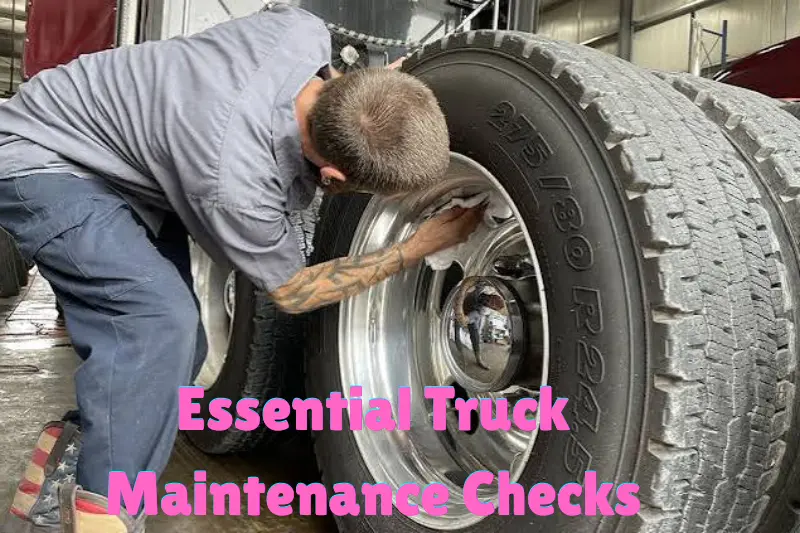
Tyre and Wheel Checks
Tyre condition, inflation, tread, and visible damage should be monitored regularly.
Suspension Inspection
Springs, shock absorbers, bushes, mounts, and other suspension components may require inspection depending on the truck.
Electrical Testing
Battery condition, charging systems, wiring, lighting, and relevant electronic systems can be checked during maintenance.
How Often Should a Truck Be Serviced?
There is no single service interval that applies to every truck. Maintenance schedules depend on the manufacturer’s specifications, vehicle type, mileage, operating environment, and workload.
Fleet operators should follow the manufacturer’s recommended schedule and consider additional inspections when trucks operate under demanding conditions.
Benefits of Professional Truck Maintenance Levin
Professional truck maintenance Levin can provide several practical benefits.
Reduced Unexpected Breakdowns
Routine inspections can help identify developing problems before they become major failures.
Better Fleet Planning
Scheduled maintenance allows businesses to plan servicing around vehicle operations.
Improved Reliability
Maintaining important mechanical and electrical systems can support dependable truck performance.
Early Fault Detection
Diagnostic testing and inspections can reveal problems that may not yet be obvious to the driver.
Preventive Maintenance Checklist
A practical truck maintenance routine can include:
- Check engine oil and other required fluids.
- Inspect tyres and wheel condition.
- Check lights and electrical components.
- Monitor brake performance.
- Inspect suspension components.
- Look for visible leaks.
- Check battery and charging performance.
- Review dashboard warning indicators.
- Follow scheduled servicing requirements.
- Record completed maintenance and repairs.
Common Truck Maintenance Mistakes
Delaying Routine Service
Skipping scheduled maintenance can allow developing faults to go unnoticed.
Ignoring Warning Lights
Warning indicators should be investigated rather than repeatedly reset.
Focusing Only on the Engine
A truck requires maintenance across braking, suspension, electrical, transmission, tyres, and other systems.
Using Incorrect Fluids or Parts
Replacement fluids and components should meet the vehicle manufacturer’s requirements.
Poor Maintenance Records
Keeping accurate service records helps operators track previous repairs and upcoming maintenance requirements.
Truck Maintenance for Fleet Operators
Fleet operators can benefit from creating a structured maintenance schedule for every vehicle. Service records should include inspections, repairs, replaced components, and upcoming maintenance requirements.
A consistent approach can make it easier to identify recurring faults and plan repairs before they cause significant disruption to operations.
When Should You Call a Truck Mechanic?
Arrange professional inspection when you notice:
- Unusual engine noises
- Difficulty starting
- Brake problems
- Transmission issues
- Electrical faults
- Suspension noise
- Warning lights
- Fluid leaks
- Unusual vibration
- Reduced vehicle performance
Early inspection can help determine whether the issue requires immediate repair or routine maintenance.
To learn more about gearbox problems and servicing, visit our Truck Transmission Repairs Levin guide covering common transmission issues and repair solutions.
For official vehicle safety and transport information in New Zealand, visit Waka Kotahi NZ Transport Agency.
Frequently Asked Questions
What does truck maintenance Levin include?
Truck maintenance can include engine servicing, brake inspections, tyre checks, suspension inspection, transmission and clutch servicing, electrical testing, fluid checks, and diagnostic assessments. The exact maintenance work depends on the truck’s condition, manufacturer requirements, mileage, and operating conditions.
How often should commercial trucks be maintained?
Maintenance intervals vary by truck manufacturer, model, mileage, workload, and operating environment. Operators should follow the manufacturer’s recommended maintenance schedule. Trucks working under demanding conditions may require additional inspections to identify wear or developing faults earlier.
Can regular maintenance prevent truck breakdowns?
Regular maintenance cannot guarantee that a breakdown will never occur, but it can help identify many developing mechanical and electrical problems earlier. Prompt repairs and scheduled servicing may reduce the likelihood of unexpected issues and help operators manage vehicle downtime more effectively.
What should I check before driving a truck?
Before operation, drivers should follow the appropriate pre-start inspection procedure for their vehicle. This may include checking tyres, lights, visible leaks, brakes, steering, warning indicators, and other safety-related components. Any serious fault should be reported and professionally assessed before the truck is operated.
Why choose professional truck maintenance?
Professional truck maintenance Levin services provide experienced technicians who can inspect multiple vehicle systems and identify problems that may not be obvious during a basic visual check. Proper maintenance can support vehicle reliability, help manage repairs, and keep commercial trucks operating according to appropriate service requirements.
Conclusion
Effective truck maintenance Levin is an important part of managing reliable commercial vehicles. Regular inspections, scheduled servicing, accurate records, and timely repairs can help operators identify problems before they become more disruptive.
Whether you operate one truck or manage a larger fleet, follow the manufacturer’s maintenance requirements and arrange professional inspection when warning signs appear. A proactive maintenance plan can help reduce unexpected downtime and support dependable truck operation.
