

Introduction
Truck gearbox repairs Levin are essential when a commercial vehicle develops shifting problems, unusual noises, clutch-related issues, or difficulty selecting gears. A faulty gearbox can affect drivability, fuel efficiency, vehicle reliability, and the ability to keep a truck working safely.
A truck gearbox handles high loads and repeated gear changes, particularly in vehicles that regularly carry heavy cargo or travel long distances. Problems that appear minor at first can become more serious when ignored. For example, a small oil leak may eventually result in inadequate lubrication and internal component damage.
This guide explains what truck gearbox repairs involve, the most common gearbox problems, warning signs to watch for, how professional diagnosis and repairs are normally carried out, and how regular maintenance can reduce the risk of expensive failures. It also explains when a repair may be appropriate and when gearbox replacement or rebuilding could make more sense.
Although this guide focuses on Levin, the information is useful for truck owners, fleet operators, drivers, and businesses looking to understand gearbox maintenance and repair requirements.
What Are Truck Gearbox Repairs?

Truck gearbox repairs involve diagnosing and correcting faults within a truck’s transmission system so that gears can be selected and operated correctly.
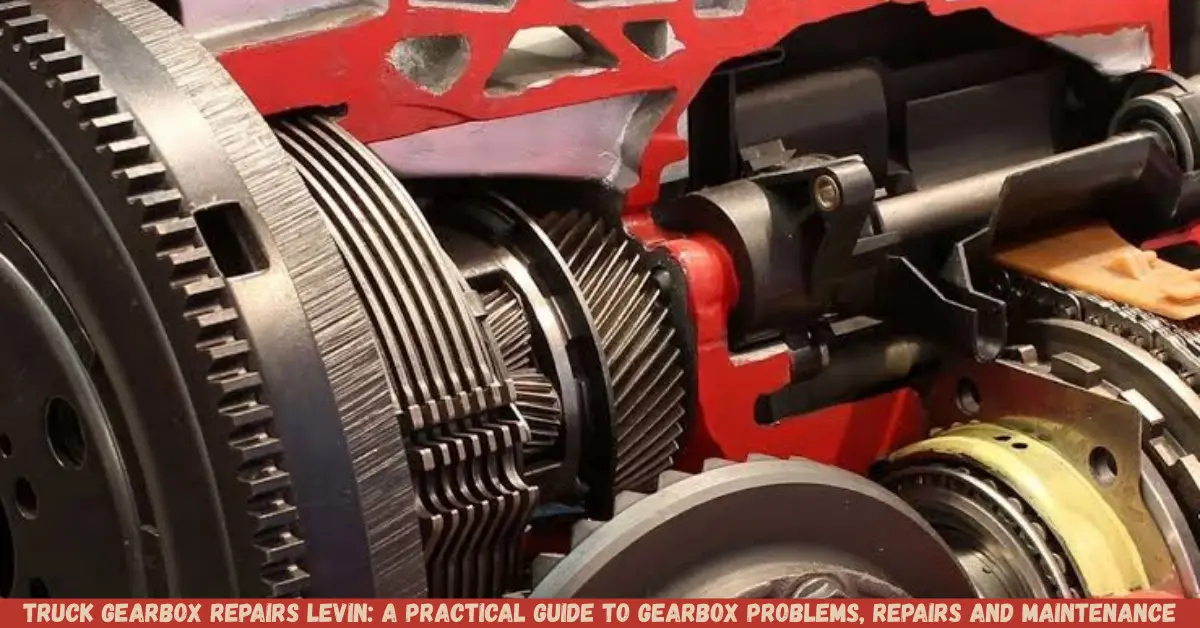
A gearbox contains several precision components, including gears, shafts, bearings, synchronisers, seals, and other mechanical parts. Depending on the truck, the transmission may be manual, automated manual, or automatic.
Common repair work can include:
- Diagnosing difficult gear selection
- Replacing worn bearings
- Repairing or replacing damaged gears
- Replacing worn synchronisers
- Fixing gearbox oil leaks
- Replacing damaged seals and gaskets
- Repairing shift mechanisms
- Checking clutch and transmission interaction
- Rebuilding a damaged gearbox
- Replacing a gearbox when repair is not practical
The correct repair depends on the vehicle, transmission type, symptoms, mileage, operating conditions, and extent of internal damage.
Why Is a Healthy Truck Gearbox Important?
A properly functioning gearbox allows the engine to deliver power to the wheels efficiently while maintaining suitable engine speed for different driving conditions.
For commercial trucks, gearbox condition is particularly important because vehicles may operate under heavy loads, frequent stop-start conditions, steep roads, and long-distance driving.
A healthy transmission can help provide:
- Smooth gear changes
- Reliable vehicle operation
- Better control under load
- Reduced risk of unexpected breakdowns
- Proper power delivery
- Protection for related drivetrain components
- More predictable maintenance costs
A gearbox problem should not automatically be treated as an isolated transmission issue. Clutch faults, engine problems, driveline wear, low transmission fluid, or damaged mounts can sometimes create similar symptoms.
Common Signs You Need Truck Gearbox Repairs Levin
Recognising gearbox symptoms early can prevent a relatively manageable problem from developing into a major mechanical failure.
Difficulty Selecting Gears
If the driver struggles to engage a gear, particularly when the problem happens repeatedly, the transmission should be inspected.
Possible causes include:
- Worn synchronisers
- Clutch problems
- Damaged shift components
- Low or contaminated gearbox oil
- Internal gearbox wear
The exact cause cannot be confirmed from the symptom alone, so proper diagnosis is important.
Grinding or Unusual Gearbox Noise
Grinding during gear changes can indicate a problem with synchronisation or clutch operation. Constant whining, humming, knocking, or other unusual sounds may also point toward worn bearings, gears, or insufficient lubrication.
A change in gearbox noise is worth investigating, especially if it becomes louder under acceleration or changes with different gears.
Gear Slipping or Jumping Out
A gearbox that unexpectedly moves out of gear can create a serious drivability problem. Worn gears, shift components, synchronisers, or other internal parts may be responsible.
Drivers should avoid continuing normal heavy-duty operation until the cause has been properly identified.
Gearbox Oil Leaks
Transmission oil provides lubrication and helps protect internal components from excessive friction and heat.
Oil around the gearbox may indicate a damaged seal, gasket, housing, or other component. Continuing to operate a truck with inadequate lubrication can increase internal wear.
Burning Smell or Excessive Heat
An unusual burning smell around the transmission may indicate excessive heat, friction, contaminated lubricant, or another mechanical issue.
The vehicle should be inspected rather than assuming the smell will disappear by itself.
What Causes Truck Gearbox Problems?
Truck gearboxes can develop faults for several reasons. Some problems result from normal wear, while others are associated with operating conditions, maintenance, contamination, or component failure.
Normal Wear and Tear
Heavy trucks can accumulate substantial mileage and operating hours. Bearings, gears, synchronisers, seals, and other components can gradually wear.
The rate of wear depends on the transmission design, vehicle usage, load, driving style, maintenance history, and operating environment.
Incorrect or Contaminated Gearbox Oil
Using the wrong lubricant or allowing the lubricant to become contaminated can affect gearbox performance.
Oil levels and lubricant condition should be checked according to the truck manufacturer’s maintenance requirements rather than relying on guesswork.
Excessive Loads
Operating a truck beyond its intended load or using it under consistently demanding conditions can increase stress throughout the drivetrain.
Heavy loads do not necessarily mean a gearbox will fail, but they can increase mechanical demands and make proper maintenance more important.
Poor Driving Technique
Aggressive gear changes, incorrect clutch use, riding the clutch, and forcing gears can increase stress on transmission components.
Driver training can therefore be part of gearbox preventative maintenance.
Delayed Repairs
A small oil leak, unusual noise, or occasional shifting problem may seem manageable. However, continued operation can allow the underlying fault to worsen.
Early inspection is usually a better approach than waiting until the truck becomes undriveable.
How Truck Gearbox Repairs Levin Are Normally Diagnosed
Professional diagnosis should begin before parts are removed or replaced. A systematic inspection helps identify the actual cause rather than simply treating the most obvious symptom.
Step 1: Discuss the Symptoms
The mechanic may ask when the problem occurs, which gears are affected, whether the gearbox is noisy, and whether the issue appears when the truck is cold, warm, loaded, or unloaded.
Driver observations can provide useful diagnostic information.
Step 2: Perform a Visual Inspection
The technician can inspect the gearbox housing, mounts, linkage, seals, oil condition, and surrounding components.
Visible leaks or damaged components may provide important clues.
Step 3: Check Gearbox Oil
The lubricant level and condition should be checked against manufacturer requirements. Metal particles, contamination, or an incorrect oil level can indicate potential problems.
Step 4: Test the Clutch and Linkage
A clutch that does not disengage correctly can make a healthy gearbox appear faulty.
The shift linkage and related components should also be inspected because external problems can cause poor gear selection.
Step 5: Road Test When Appropriate
A controlled road test can help reproduce symptoms and identify patterns involving particular gears, speeds, loads, or operating conditions.
Safety should always take priority during testing.
Step 6: Internal Inspection if Required
If external checks do not identify the fault, the gearbox may need to be removed and opened for internal inspection.
At this stage, worn gears, bearings, synchronisers, shafts, and other damaged components can be assessed.
Step 7: Repair, Rebuild or Replace
The final solution depends on the condition of the transmission and the overall economics of the repair.
Gearbox Repair vs Gearbox Replacement
Not every gearbox needs complete replacement. In some cases, replacing individual damaged components or rebuilding the transmission can be more practical.
| Option | Best suited for | Main consideration |
|---|---|---|
| Minor repair | Leaks, seals or external components | Usually addresses a specific fault |
| Component replacement | Damaged gears, bearings or synchronisers | Requires accurate diagnosis |
| Gearbox rebuild | Multiple worn internal components | More extensive repair |
| Gearbox replacement | Severe damage or uneconomical repair | Requires compatible replacement unit |
The right option should be determined after inspection rather than based solely on the age of the vehicle.
Benefits of Professional Truck Gearbox Repairs
Choosing appropriate gearbox repair services can provide several practical benefits for truck owners and operators.
Reduced Downtime
A correctly diagnosed fault can help get the vehicle back into service without unnecessary replacement of unrelated components.
For businesses that depend on commercial vehicles, reducing downtime can be especially important.
Better Reliability
Replacing worn or damaged transmission components can restore proper gearbox operation and reduce the likelihood of recurring problems.
Protection of Other Components
Transmission problems can place additional stress on related drivetrain components. Addressing faults early can help prevent secondary damage.
Better Maintenance Planning
A professional inspection can identify developing problems and provide information that helps with future maintenance decisions.
Limitations and Considerations
Gearbox repair is not always a simple or inexpensive process. Internal transmission work can require significant labour and specialist knowledge.
Important considerations include:
- The gearbox may need to be removed from the truck.
- Internal damage may not be visible until disassembly.
- Replacement parts must be compatible with the transmission.
- Labour requirements vary considerably.
- Severe damage may make replacement more economical.
- Vehicle downtime should be considered when planning repairs.
For these reasons, getting a proper diagnosis before authorising major work is important.
How to Reduce the Risk of Gearbox Failure
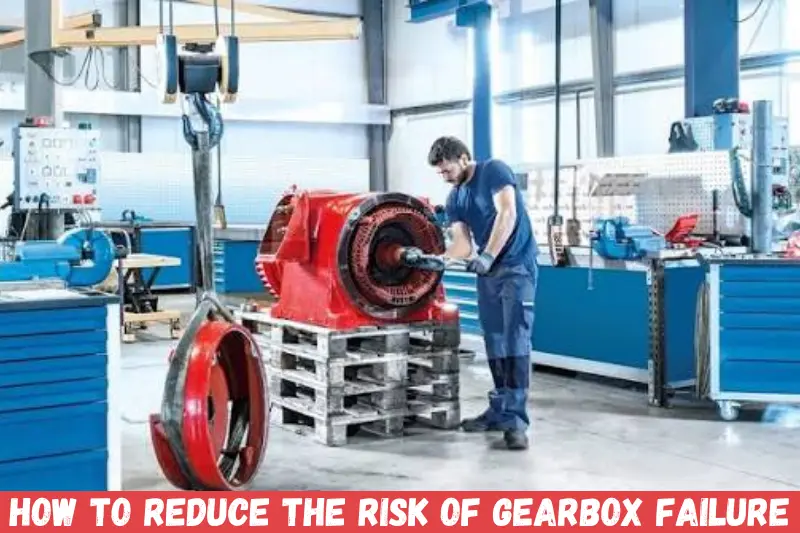
Preventative maintenance can help identify problems before they become major failures.
Follow the Manufacturer’s Maintenance Schedule
Use the truck manufacturer’s recommended service intervals, lubricant specifications, inspection procedures, and adjustment requirements.
Check for Leaks
Regularly look for oil around the gearbox and drivetrain. A small leak should not automatically be ignored.
Pay Attention to New Sounds
Drivers are often the first people to notice changes in vehicle behaviour. New whining, grinding, vibration, or difficulty changing gears should be reported.
Use Correct Driving Techniques
Smooth gear changes and correct clutch operation can reduce unnecessary stress on the transmission.
Avoid Ignoring Warning Signs
A truck that still moves is not necessarily a truck that should continue working normally. Persistent gearbox symptoms should be investigated before the problem becomes more severe.
Common Mistakes to Avoid
Truck owners sometimes make gearbox problems worse by delaying diagnosis or using inappropriate repair approaches.
Ignoring Small Oil Leaks
A leak can reduce lubricant levels and contribute to internal wear.
Continuing to Drive With Grinding Gears
Grinding should not be considered normal. Continued operation may increase component damage.
Replacing Parts Without Diagnosis
Changing a gearbox component without confirming the actual fault can waste time and money.
Using the Wrong Lubricant
Transmission oils are not universally interchangeable. The correct specification should be confirmed for the particular gearbox.
Choosing the Cheapest Repair Without Considering Quality
Price matters, but the quality of components, workmanship, diagnosis, and warranty terms should also be considered.
When Should You Contact a Gearbox Specialist?
Contact a qualified truck or transmission specialist when you notice persistent difficulty changing gears, grinding, unusual gearbox noises, oil leaks, gear jumping, vibration, or other unexplained transmission behaviour.
A particularly important point is to act quickly when the truck is used commercially. A minor fault that could have been repaired during planned maintenance may become a larger problem after continued heavy operation.
If the gearbox develops a sudden serious fault while the vehicle is working, prioritise safety and arrange appropriate roadside assistance or professional inspection rather than attempting an unsafe roadside repair.
Practical Tips for Truck Owners in Levin
For operators looking for truck gearbox repairs Levin, preparation can make the diagnostic process easier.
Before contacting a repairer, note:
- Which gear or gears are affected
- Whether the issue occurs when shifting up or down
- Whether the problem occurs when the gearbox is cold or warm
- Any unusual sounds
- Any visible oil leaks
- Whether the truck has recently carried unusually heavy loads
- Whether the clutch has also been behaving differently
- When the gearbox was last serviced
This information can help the technician understand the symptoms more quickly.
Internal link
For reliable truck gearbox repairs Levin, it is important to choose a professional service that understands the demands of commercial vehicles. Regular inspections, correct gearbox oil, and timely repairs can help maintain smooth gear changes and reduce the risk of unexpected breakdowns. For additional vehicle maintenance information, you can also refer to this external resource.
When your commercial vehicle develops transmission problems, professional truck gearbox repairs Levin can help identify issues such as difficult gear selection, grinding noises, oil leaks, and worn gearbox components. Proper diagnosis and timely maintenance can help keep trucks reliable and reduce unnecessary downtime. You can also learn more about vehicle maintenance from this useful external resource.
Frequently Asked Questions
What are the most common signs of a damaged truck gearbox?
Common warning signs include difficulty selecting gears, grinding during gear changes, unusual whining or knocking noises, gears jumping out, oil leaks, vibration, and abnormal heat or smells. These symptoms can also come from clutch or drivetrain problems, so professional diagnosis is necessary before deciding which component needs repair.
How long can a truck drive with a gearbox problem?
There is no universal safe distance because the severity and cause of the fault vary. A minor external issue may differ significantly from internal gear or bearing damage. Continuing to operate a truck with serious transmission symptoms can increase damage, so inspection should be arranged as soon as practical.
Is it better to repair or replace a truck gearbox?
It depends on the gearbox’s condition, the extent of internal damage, parts availability, labour requirements, and the vehicle’s overall value. A repair or rebuild can make sense when the main components are serviceable, while severe or uneconomical damage may justify replacement. A proper inspection should guide the decision.
How often should a truck gearbox be serviced?
Service intervals depend on the truck, transmission type, lubricant specification, operating conditions, and manufacturer’s recommendations. Trucks operating under demanding commercial conditions may require particularly careful maintenance. Owners should follow the vehicle manufacturer’s service schedule and inspect for leaks, unusual noises, and shifting problems between scheduled services.
Can a clutch problem feel like a gearbox problem?
Yes. A clutch that fails to disengage correctly can make gears difficult to select and may cause grinding. This means replacing gearbox components without checking the clutch can lead to an incorrect diagnosis. A complete drivetrain assessment should consider the clutch, linkage, gearbox, lubricant, and related components.
Expert Tips for Better Gearbox Maintenance
For long-term gearbox reliability, focus on early detection rather than waiting for complete failure.
A practical maintenance approach includes:
- Follow the manufacturer’s gearbox service schedule.
- Use only the correct lubricant specification.
- Check regularly for leaks.
- Report unusual gearbox noises immediately.
- Train drivers to use smooth shifting techniques.
- Avoid unnecessary overloading.
- Investigate recurring gear-selection problems.
- Keep records of gearbox repairs and servicing.
- Ask for diagnosis before approving major component replacement.
- Consider the vehicle’s operating conditions when planning preventative maintenance.
Good maintenance is not simply about replacing oil or worn parts. It is about understanding how the truck is used and identifying changes in performance before they develop into major failures.
Conclusion
Truck gearbox repairs Levin can involve anything from fixing an external oil leak to replacing individual transmission components or rebuilding a severely worn gearbox. The correct solution depends on the symptoms, gearbox design, maintenance history, vehicle usage, and results of professional diagnosis.
Difficulty changing gears, grinding, unusual noises, oil leaks, gear slipping, and abnormal vibration should not be ignored. Early inspection can help identify whether the problem originates in the gearbox itself or from a related component such as the clutch or shift mechanism.
For truck owners and operators, the most practical approach is to follow the manufacturer’s maintenance requirements, use the correct gearbox lubricant, monitor vehicle behaviour, and arrange professional inspection when warning signs appear.
