


Introduction
Truck diagnostics Levin services help identify mechanical, electrical, and electronic problems in commercial vehicles before minor faults become expensive repairs. Modern trucks rely on sensors, electronic control modules, and computerized systems to monitor important vehicle functions. When a warning light appears or performance changes, diagnostic testing can help determine the underlying cause.
Professional truck diagnostics Levin can be useful for engine problems, starting issues, transmission faults, electrical failures, warning lights, and reduced vehicle performance. Instead of relying only on visual inspection, technicians can use suitable diagnostic equipment to retrieve fault information and assess relevant vehicle systems. This guide explains how truck diagnostics works, when it is needed, its benefits, and what truck owners should consider when choosing a diagnostic service.
Truck Diagnostics Levin services help identify mechanical, electrical, and electronic problems affecting commercial vehicles. When warning lights appear or truck performance changes, Truck Diagnostics Levin can provide valuable information about the vehicle’s systems. Professional Truck Diagnostics Levin technicians use suitable diagnostic equipment to investigate fault codes, sensors, engine systems, and other electronic components. Choosing reliable Truck Diagnostics Levin services can help identify problems before they develop into more serious issues.
What Are Truck Diagnostics?
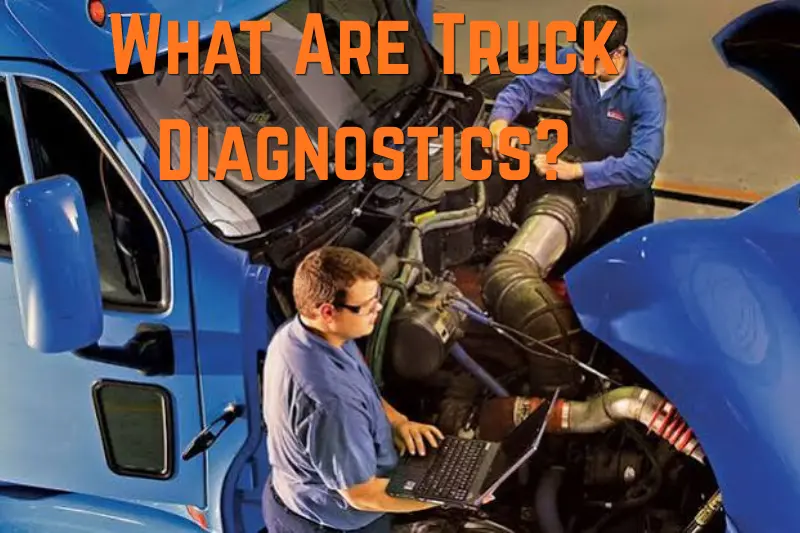
Truck diagnostics levin is the process of using diagnostic equipment and professional inspection techniques to identify faults within a truck’s mechanical and electronic systems.
Depending on the vehicle, diagnostic testing may help assess:
- Engine control systems
- Transmission systems
- ABS and braking electronics
- Electrical systems
- Sensors
- Charging systems
- Emission-related systems
- Warning indicators
- Electronic control modules
Diagnostic equipment does not automatically repair a problem. It provides information that helps a qualified technician investigate the cause and determine the appropriate repair.
Why Are Truck Diagnostics Important?
Accurate diagnosis can help prevent unnecessary parts replacement and reduce the time required to identify faults.
Faster Fault Identification
Modern diagnostic equipment can retrieve relevant fault codes and system information, giving technicians a starting point for further investigation.
Reduced Unnecessary Repairs
Replacing components based only on symptoms can be costly. Proper diagnosis helps technicians test the relevant systems before recommending repairs.
Better Vehicle Reliability
Identifying faults early can help prevent developing problems from becoming larger mechanical or electrical failures.
Reduced Downtime
For commercial trucks, minimizing downtime is important. Efficient diagnostics can help technicians understand the problem and plan the required repair more effectively.
Common Signs Your Truck Needs Diagnostics
Dashboard Warning Lights
Warning lights may indicate that a monitored vehicle system requires attention. A diagnostic scan can help identify relevant fault information.
Reduced Engine Performance
Loss of power, rough running, poor acceleration, or unusual engine behavior may justify professional diagnostic testing.
Starting Problems
If a truck struggles to start, the issue could involve the battery, starter, charging system, fuel system, sensors, or another component.
Transmission Problems
Difficulty changing gears, unusual transmission behavior, or warning indicators may require transmission diagnostics.
Electrical Issues
Repeated electrical failures, warning messages, lighting problems, or charging issues can require systematic diagnostic testing.
How Does Truck Diagnostics Work?
A professional diagnostic process generally involves several steps.
1. Initial Inspection
The technician first discusses the symptoms and checks the vehicle for obvious signs of damage, leaks, loose connections, or other issues.
2. Diagnostic Scan
Suitable diagnostic equipment is connected to the truck’s diagnostic system to retrieve available fault information.
3. Fault Investigation
A fault code is not always the failed component itself. The technician may perform additional tests to determine the actual cause.
4. Repair Recommendation
After identifying the problem, the technician can recommend the appropriate repair or further testing.
5. Verification
After repairs, additional testing may be performed to confirm that the original problem has been addressed.
Truck Diagnostics vs Traditional Inspection
| Feature | Computer Diagnostics | Traditional Inspection |
|---|---|---|
| Electronic fault codes | Yes | Limited |
| Visual inspection | Limited | Yes |
| Sensor information | Often available | Limited |
| Mechanical inspection | Requires technician | Yes |
| Best approach | Combined with inspection | Combined with diagnostics |
The most effective approach is often to combine electronic diagnostics with professional mechanical inspection rather than relying on either method alone.
Benefits of Professional Truck Diagnostics Levin
Choosing professional truck diagnostics Levin services can provide several practical benefits for truck owners and fleet operators.
Accurate Information
Diagnostic equipment can provide valuable information about monitored vehicle systems.
Better Repair Planning
Understanding the likely cause of a problem helps technicians determine what additional testing, parts, or repairs may be required.
Preventive Maintenance
Diagnostic information can sometimes identify developing issues that deserve further investigation before they cause a roadside breakdown.
Fleet Management
Regular diagnostic checks can support fleet maintenance programs by helping operators identify recurring issues and plan repairs.
When Should You Get Truck Diagnostics?
Diagnostic testing may be appropriate when:
- A warning light appears
- Engine performance changes
- The truck has starting problems
- Fuel consumption changes unexpectedly
- Transmission behavior becomes unusual
- Electrical problems occur repeatedly
- The vehicle enters a reduced-power mode
- A recurring fault returns after repair
Drivers should not ignore serious warning indicators or continue operating a vehicle when doing so could create a safety risk.
Common Truck Diagnostic Mistakes
Replacing Parts Without Testing
A fault code does not necessarily mean the corresponding component has failed. Additional testing may be required.
Ignoring Intermittent Problems
A fault that appears and disappears can still indicate an underlying issue that deserves investigation.
Using Unsuitable Diagnostic Equipment
Different truck manufacturers and systems may require specific diagnostic capabilities. Professional technicians should use equipment appropriate for the vehicle.
Focusing Only on Fault Codes
Diagnostic codes provide useful information, but they should be interpreted alongside symptoms, inspection results, and technical information.
How to Choose a Truck Diagnostic Service in Levin
Look for a provider with experience working on commercial and heavy vehicles. Ask whether the technician has appropriate diagnostic equipment for your truck and whether the service includes further fault investigation rather than simply reading and clearing codes.
Experience, clear communication, suitable equipment, and transparent repair recommendations are important factors when choosing a diagnostic provider.
For professional on-site repairs, check our Mobile Truck Mechanic Illawarra guide covering mobile diagnostics, maintenance, and commercial truck repairs.
For official vehicle safety and transport information in New Zealand, visit Waka Kotahi NZ Transport Agency.
Frequently Asked Questions
What does truck diagnostics Levin check?
Truck diagnostics can check information from electronic control systems and identify stored fault codes or system warnings. Depending on the vehicle, testing may involve engine, transmission, ABS, electrical, sensor, and other electronically monitored systems. A qualified technician should interpret diagnostic information alongside physical inspections and vehicle symptoms.
How often should a truck have diagnostic testing?
There is no single interval that applies to every truck. Diagnostic testing is particularly useful when warning lights, unusual performance, starting problems, electrical faults, or other symptoms appear. Fleet operators may also include diagnostic checks within broader maintenance programs based on manufacturer recommendations and vehicle operating conditions.
Can diagnostics find every truck problem?
No. Diagnostic equipment is valuable but cannot identify every mechanical problem by itself. Physical inspections and component testing may still be necessary for issues such as mechanical wear, leaks, damaged parts, or problems that are not electronically monitored.
Does a diagnostic code mean a part needs replacement?
Not necessarily. A fault code usually provides information about a detected condition or system. The actual cause could involve wiring, sensors, connections, software, or another component. A qualified technician should perform additional testing before replacing expensive parts.
Why choose professional truck diagnostics?
Professional truck diagnostics Levin services combine appropriate diagnostic equipment with technician experience and further investigation. This approach can help identify the underlying cause of faults, reduce unnecessary parts replacement, and support more efficient truck repairs and maintenance.
Conclusion
Professional truck diagnostics Levin services provide an important way to investigate warning lights, performance problems, electrical faults, starting issues, and other concerns affecting commercial vehicles. Diagnostic equipment can provide valuable system information, but accurate results depend on proper interpretation and physical inspection.
Truck owners and fleet operators should respond promptly to warning signs and use qualified technicians with suitable heavy vehicle diagnostic equipment. The practical next step is to arrange professional testing when a recurring fault or warning indicator appears rather than waiting for the problem to become a major breakdown.
For fleet operators, Truck Diagnostics Levin can be useful when trucks experience starting problems, reduced engine performance, transmission issues, or recurring warning lights. With professional Truck Diagnostics Levin, technicians can scan relevant vehicle systems and investigate the information provided by diagnostic equipment. Regular Truck Diagnostics Levin checks can also support preventive maintenance by helping identify faults that require further inspection. Using experienced Truck Diagnostics Levin professionals ensures diagnostic information is properly interpreted before repairs are recommended.
When a commercial vehicle develops an unexpected fault, Truck Diagnostics Levin can help determine the likely cause and guide the next repair step. Professional Truck Diagnostics Levin services combine electronic scanning with physical inspection to provide a more complete assessment. By using Truck Diagnostics Levin when warning signs appear, truck owners can avoid unnecessary delays and make better-informed maintenance decisions. Reliable Truck Diagnostics Levin support can therefore be an important part of keeping commercial vehicles operating efficiently.
