


Truck Body Repairs Levin: Complete Guide to Professional Truck Body Repair
truck body repairs levin are important when a commercial vehicle has suffered collision damage, rust, dents, structural problems, or general body deterioration. A damaged truck body can affect appearance, cargo protection, safety, and the vehicle’s ability to perform its daily work properly. This guide explains what truck body repairs involve, the most common types of damage, how the repair process works, what to check before choosing a repair provider, and how regular maintenance can reduce future problems.
For truck owners, fleet operators, and businesses using commercial vehicles, body damage should not simply be treated as a cosmetic issue. A damaged panel, loose component, bent frame-related body section, or deteriorated cargo area can become more serious if it is ignored.
Whether the damage comes from a minor accident, reversing incident, loading activity, weather exposure, or long-term use, getting the problem assessed early can help determine the right repair approach.
What Are Truck Body Repairs?

Truck body repairs involve restoring or replacing damaged exterior and body-related components so that a truck can return to a safe, functional, and presentable condition. Depending on the damage, repairs can include panel work, dent removal, welding, rust treatment, painting, component replacement, and alignment of body sections.
Unlike routine mechanical servicing, body repair focuses primarily on the physical structure and exterior components of the vehicle.
Common truck body repair work may include:
- Dent and panel repairs
- Collision damage repair
- Rust removal and corrosion treatment
- Welding and metal fabrication
- Door and tailgate repairs
- Cargo body repairs
- Side-panel repairs
- Bumper and guard repairs
- Paint and surface restoration
- Body component replacement
- Damage assessment and inspection
The exact repair method depends on the truck type, body construction, material, location of the damage, and severity of the problem.
Why Are Truck Body Repairs Important?
Truck body repairs are important because damaged bodywork can affect more than the appearance of a commercial vehicle. Proper repairs can help protect cargo, maintain usable body components, prevent corrosion from spreading, and keep the vehicle suitable for regular operations.
For businesses, an out-of-service truck can also interrupt deliveries and other work. Addressing body damage promptly may therefore be a practical part of maintaining vehicle availability.
Protecting the Cargo Area
Truck bodies are designed to help protect goods during transportation. Damage to doors, side panels, roofs, flooring, or other body components may create openings or weak points.
A damaged cargo body can potentially expose goods to:
- Rain and moisture
- Dust and road debris
- Unwanted movement
- Further physical damage
- Theft opportunities where doors or locks are affected
Preventing Damage From Getting Worse
A small dent may remain relatively straightforward to repair, but exposed metal can develop corrosion when protective coatings are damaged.
Prompt inspection can identify whether a visible problem is purely cosmetic or whether it has affected surrounding components.
Maintaining Vehicle Appearance
Professional-looking trucks can contribute to a business’s overall presentation. Clean, properly maintained bodywork can be particularly important for vehicles displaying company branding or serving customers directly.
Common Types of Truck Body Damage
Truck body damage can occur in many ways. Some problems are obvious immediately after an incident, while others become visible gradually.
Dents and Scratches
Dents and scratches are among the most common forms of truck body damage. They can result from minor collisions, loading areas, parking incidents, branches, equipment, or contact with other vehicles.
A shallow dent may sometimes be repaired without replacing the entire panel. More severe deformation may require panel replacement or metalwork.
Collision Damage
Accidents can cause damage to multiple body components at once. A collision may affect panels, doors, bumpers, guards, mounting points, and other related parts.
The visible damage is not always the complete picture. A proper inspection should determine whether the impact has affected components behind the damaged panel.
Rust and Corrosion
Rust can become a significant issue when protective paint or coatings have been damaged. Moisture and road contaminants can accelerate corrosion, particularly in areas exposed to harsh operating conditions.
Rust repair may involve removing corrosion, treating the affected surface, repairing or replacing metal, and applying suitable protective coatings.
Damaged Truck Doors
Truck doors need to close correctly to protect cargo and maintain secure access to the vehicle. Problems can include bent doors, damaged hinges, broken locks, worn seals, or alignment issues.
A door that does not close properly should be inspected rather than forced shut repeatedly.
Cargo Body Damage
Cargo bodies can suffer damage from loading equipment, heavy goods, repeated use, collisions, and weather exposure.
Depending on construction, repairs may involve metal panels, flooring, rails, supports, hinges, or other body components.
How Truck Body Repairs Levin Usually Work
The repair process varies according to the truck and damage, but a professional repair normally starts with an inspection rather than immediately replacing parts.
Step 1: Inspect the Damage
The first step is to examine the affected area and identify the type and extent of damage.
The inspection should consider:
- Damaged panels
- Cracks
- Bent sections
- Rust
- Loose components
- Door alignment
- Mounting points
- Paint and coating damage
- Signs of underlying damage
Step 2: Determine the Repair Method
After inspection, the appropriate repair method can be selected.
Minor damage might require panel reshaping or surface repair, while severe damage could require cutting, welding, fabrication, or component replacement.
The goal should be to use a suitable repair method rather than automatically replacing expensive components.
Step 3: Remove or Prepare Damaged Components
If a component needs repair or replacement, technicians may remove it or prepare the affected area.
Preparation can involve removing damaged paint, rust, damaged metal, or other material that prevents proper repair.
Step 4: Repair, Fabricate, or Replace
The damaged section can then be repaired, fabricated, straightened, welded, or replaced as appropriate.
The correct approach depends heavily on the truck body’s construction and the severity of the damage.
Step 5: Surface Preparation and Painting
After structural or panel work is completed, the repaired surface may need preparation before painting.
Proper preparation helps the finish blend with surrounding areas and provides protection against environmental exposure.
Step 6: Final Inspection
The final stage should confirm that repaired components are secure and functioning correctly.
Doors should operate properly, repaired panels should be appropriately secured, and the finished body should be checked for obvious defects.
Signs Your Truck Needs Body Repairs
Some body problems are easy to notice, while others can develop gradually. Watch for warning signs such as:
- New dents or deep scratches
- Cracked panels
- Visible rust
- Peeling paint
- Water entering the cargo area
- Doors that do not close correctly
- Loose body components
- Damaged hinges or locks
- Gaps between body panels
- Bent or distorted body sections
- Unusual movement or vibration from body components
If damage appeared after an accident, it is sensible to arrange an inspection even when the visible damage appears minor.
Benefits of Professional Truck Body Repairs
Choosing appropriate professional repair work can provide several practical advantages.
Better Cargo Protection
Repairing damaged doors, panels, seals, and cargo areas can help restore the body’s ability to protect transported goods.
Reduced Corrosion Risk
Treating damaged metal and exposed surfaces can help prevent corrosion from spreading through affected areas.
Improved Appearance
Professional panel and paint work can restore a cleaner, more consistent appearance.
Better Vehicle Usability
Repairing damaged doors, hinges, panels, and other body components can make everyday loading and unloading easier.
Potentially Lower Long-Term Costs
Early attention to relatively small problems may help prevent additional deterioration. This does not mean every repair will be inexpensive, but identifying damage early can give owners more options.
Truck Body Repairs vs. Truck Mechanical Repairs
It is useful to understand the difference between body repairs and mechanical repairs.
| Truck Body Repairs | Truck Mechanical Repairs |
|---|---|
| Focus on body and exterior components | Focus on mechanical systems |
| Repair dents and panels | Repair engines and transmissions |
| Treat rust and corrosion | Diagnose mechanical faults |
| Repair doors and cargo bodies | Repair brakes and suspension |
| Welding and fabrication may be involved | Mechanical components are serviced |
| Paint and surface restoration | Engine and drivetrain maintenance |
A truck may need both types of work. For example, after a collision, the body could have panel damage while the vehicle’s suspension or steering system also requires inspection.
How to Choose a Truck Body Repair Service in Levin
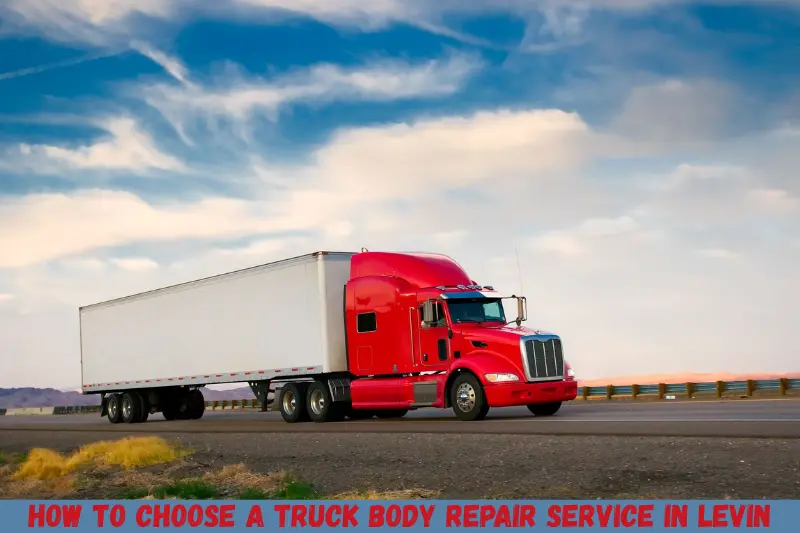
Selecting a repair provider should involve more than simply choosing the first available option.
Check Relevant Experience
Look for a provider with experience working on commercial vehicles and truck bodies similar to yours.
Truck construction varies considerably, so relevant experience can be valuable.
Ask What the Repair Includes
Before approving work, ask what is included in the proposed repair.
Important questions include:
- What parts will be repaired?
- What parts need replacement?
- Is welding required?
- Is painting included?
- Will rust treatment be performed?
- How long is the expected repair process?
- Are replacement components included?
Request a Clear Quote
A written quote can make it easier to understand expected costs and avoid confusion about what work has been approved.
If additional damage is discovered after dismantling, ask the repairer to explain the issue before additional work is undertaken.
Consider Workmanship
Look at the quality of previous repair work where possible. Clean panel alignment, secure components, consistent paintwork, and properly finished repairs are useful indicators of workmanship.
What Can Affect the Cost of Truck Body Repairs?
There is no single price for truck body repairs because repair requirements vary considerably.
The cost can depend on:
- Type of truck
- Size of the damaged area
- Severity of the damage
- Body material
- Replacement parts required
- Amount of welding or fabrication
- Paint requirements
- Rust treatment
- Labour time
- Accessibility of the damaged area
- Availability of parts
For this reason, a proper inspection and written estimate are more useful than relying on a generic online price.
Common Mistakes to Avoid
Truck owners can make several mistakes when dealing with body damage.
Ignoring Small Rust Spots
Rust may spread when exposed metal remains untreated. A small visible area can sometimes indicate a larger corrosion problem underneath.
Repairing Only the Visible Damage
A damaged panel may hide problems behind it. After an accident, the affected area should be assessed rather than judging the repair solely from the exterior.
Choosing Only on Price
The cheapest quote is not automatically the best option. Poor workmanship can result in additional repairs, premature corrosion, or repeated problems.
Delaying Door Repairs
A damaged door can affect cargo security and weather protection. If a door no longer closes or locks correctly, it should be checked promptly.
Using Incorrect Materials
Different truck bodies may use different materials and construction methods. Repairs should be appropriate for the original body design.
Tips for Maintaining a Truck Body
Regular maintenance can help identify body problems before they become more difficult to address.
Wash the Truck Regularly
Cleaning removes dirt, road grime, and contaminants that can accumulate around joints, lower panels, and other exposed areas.
Inspect After Long Trips
Walk around the truck after demanding journeys and look for new scratches, dents, loose components, or damaged panels.
Check Doors and Hinges
Open and close cargo doors regularly. Pay attention to unusual resistance, movement, or damaged seals.
Treat Surface Damage Promptly
Scratches that expose underlying metal should not simply be ignored, especially when the vehicle regularly operates in wet or contaminated environments.
Keep Records of Repairs
Maintaining records of body repairs can help track recurring problems and provide useful information when the vehicle is later inspected or sold.
When Should You Repair Truck Body Damage?
Truck body damage should generally be inspected as soon as practical, particularly when it affects doors, cargo protection, structural components, or exposed metal.
A simple scratch may not require immediate major repair, but damage that allows water into the cargo area, exposes bare metal, prevents a door from locking, or leaves a component loose deserves greater priority.
After a collision, an inspection is particularly useful because visible body damage may not reveal all affected components.
Internal link
For reliable truck body repairs Levin, choosing an experienced repair service can help restore damaged panels, doors, cargo areas, and other truck body components. You can also learn more about professional commercial truck repair services to understand the available repair and maintenance options for heavy vehicles.
Frequently Asked Questions
What do truck body repairs Levin include?
Truck body repairs Levin can include dent removal, panel repairs, welding, fabrication, rust treatment, door repairs, cargo body repairs, bumper work, component replacement, and painting. The exact service depends on the type and severity of damage. A proper inspection should be completed before deciding whether a component should be repaired, fabricated, or replaced.
How long do truck body repairs take?
Repair time depends on the extent of damage, truck size, parts availability, fabrication requirements, painting, and the workload of the repair facility. A minor panel repair may be relatively quick, while significant collision damage can require considerably more time. The best way to obtain an accurate timeframe is to request an assessment of the specific truck.
Can rust on a truck body be repaired?
Yes, rust can often be treated when the affected area is suitable for repair. The process may involve removing corrosion, repairing damaged metal, treating the surface, and applying protective coatings. Severe corrosion may require replacement or fabrication of the affected section. Early inspection is useful because advanced corrosion can make repairs more extensive.
Should I repair a dent or replace the truck panel?
The decision depends on the size, location, depth, and severity of the dent and the condition of the panel. Some dents can be repaired effectively, while severely distorted, cracked, or heavily corroded panels may be better replaced. A qualified inspection can determine which option is more appropriate for the specific damage.
How can I prevent truck body damage?
Regular inspections, careful loading procedures, prompt treatment of scratches and rust, proper cleaning, and attention to doors, hinges, seals, and loose components can help maintain the truck body. Drivers should also report new damage quickly after collisions or loading incidents so that small problems do not have an opportunity to deteriorate further.
Expert Tips for Better Truck Body Maintenance
A few practical habits can make truck body maintenance easier:
- Inspect bodywork during routine vehicle checks.
- Repair exposed metal before corrosion becomes extensive.
- Keep cargo doors, hinges, and locks operating correctly.
- Avoid overloading areas not designed for excessive weight.
- Clean dirt and road contaminants from vulnerable areas.
- Keep photographic records after significant damage.
- Get collision-related damage professionally assessed.
- Ask for written details of significant repair work.
- Do not assume cosmetic damage is always purely cosmetic.
- Follow the truck manufacturer’s recommendations for maintenance and body components.
Practical Example: Dealing With a Damaged Cargo Panel
Imagine a delivery truck develops a large dent in a side panel after contact with another vehicle.
The owner should first inspect the panel and surrounding area rather than immediately applying filler or paint. The repairer may determine whether the panel can be reshaped or whether replacement is more appropriate.
If the impact has damaged the mounting points or surrounding structure, those issues may need attention as well. After the metalwork is completed, the surface can be prepared and refinished.
This example shows why proper assessment matters: the visible dent is only one part of the repair decision.
Why Preventive Body Maintenance Matters for Commercial Trucks
Commercial trucks often spend substantial time on the road, around loading areas, and in environments where minor body damage is possible. Preventive inspection provides an opportunity to identify issues before they interfere with normal operations.
For fleet operators, consistent inspection procedures can also make it easier to identify recurring damage patterns. If the same door, panel, or loading area repeatedly suffers damage, the underlying operating procedure may need attention.
Preventive maintenance is not about repairing every tiny mark immediately. It is about distinguishing harmless cosmetic wear from damage that could affect functionality, cargo protection, corrosion resistance, or safe operation.
Final Checklist Before Approving Truck Body Repairs
Before authorising truck body repair work, consider the following checklist:
- Has the complete damaged area been inspected?
- Has hidden or surrounding damage been considered?
- Is repair or replacement the more suitable option?
- Are rust treatment and surface preparation included where necessary?
- Is painting included in the quote?
- Are replacement parts clearly identified?
- Has the expected repair timeframe been explained?
- Are additional costs clearly addressed?
- Will doors, locks, hinges, and panels be checked after repair?
- Will the finished work receive a final inspection?
This checklist can help truck owners make a more informed decision and reduce misunderstandings about the scope of work.
Conclusion
truck body repairs levin can cover everything from minor dents and scratches to serious collision damage, rust treatment, cargo body repairs, welding, fabrication, panel replacement, and refinishing. The right solution depends on the truck, the materials involved, and the severity and location of the damage.
For truck owners and commercial operators, the most sensible approach is to inspect damage early, understand the proposed repair, request a clear quote, and choose workmanship that matches the requirements of the vehicle. Ignoring exposed metal, damaged doors, loose components, or collision-related problems can allow relatively manageable issues to become more complicated.
Regular cleaning and inspection can also help identify body problems before they interfere with normal truck operations. When damage occurs, professional assessment can determine whether repair, fabrication, or replacement makes the most practical sense.
