


Transport Fleet Mechanic Levin: Complete Guide to Fleet Servicing and Repairs
transport fleet mechanic levin services can help businesses keep trucks, vans, trailers, and other commercial vehicles safe, reliable, and ready for regular operations. For transport companies, vehicle downtime can disrupt deliveries, schedules, and daily business activities, which makes planned maintenance and timely repairs especially important.
A professional fleet mechanic can inspect vehicles, identify mechanical problems, perform scheduled servicing, and deal with unexpected breakdowns. This guide explains what a transport fleet mechanic does, why fleet maintenance matters, how the servicing process works, which warning signs should not be ignored, and how businesses can choose the right mechanic for their fleet.
Whether you manage a small group of commercial vehicles or a larger transport operation, understanding fleet maintenance can help you make better decisions about servicing, repairs, vehicle safety, and operating costs.
What Is a Transport Fleet Mechanic?

A transport fleet mechanic is a qualified automotive or heavy-vehicle technician who maintains and repairs multiple vehicles operated by a business. Depending on the fleet, their work can include trucks, vans, trailers, buses, and other commercial vehicles.
Unlike servicing a privately owned car, fleet maintenance often involves managing several vehicles that may travel frequently and carry heavy loads. A fleet mechanic therefore focuses not only on fixing individual faults but also on keeping the overall fleet dependable.
Typical services may include:
- Engine inspections and repairs
- Brake inspections and repairs
- Oil and filter servicing
- Transmission checks
- Cooling-system maintenance
- Suspension inspections
- Steering-system repairs
- Electrical diagnostics
- Battery and charging-system checks
- Tyre and wheel inspections
- Trailer servicing
- Preventive maintenance
- Breakdown diagnosis and repairs
For a transport company, having access to a dependable transport fleet mechanic in Levin can make routine maintenance more organised and help identify problems before they become major failures.
Why Is Fleet Maintenance Important?
Fleet maintenance is important because commercial vehicles generally perform demanding work and may accumulate substantial mileage. Regular inspections can identify worn or damaged components before they develop into more serious mechanical problems.
A properly maintained fleet can provide several practical advantages.
Reduced Unexpected Downtime
A vehicle that suddenly develops an engine, brake, electrical, or transmission problem may need to be removed from service. This can interfere with delivery schedules and business operations.
Preventive servicing gives mechanics an opportunity to identify developing problems during planned maintenance instead of waiting for a complete failure.
Better Vehicle Reliability
Regular servicing helps keep important systems operating as intended. Oil, filters, belts, hoses, brakes, tyres, cooling systems, and other components can be inspected according to the vehicle manufacturer’s requirements and the vehicle’s operating conditions.
Improved Safety
Commercial vehicles can carry significant loads and spend long periods on the road. Problems with brakes, steering, suspension, tyres, lights, or other safety-related components should be addressed promptly.
Maintenance does not replace proper driver inspections or legal compliance, but it is an important part of responsible fleet management.
More Predictable Maintenance Costs
Ignoring a small mechanical issue can sometimes allow it to develop into a larger repair. Planned servicing helps businesses identify maintenance requirements earlier and budget for upcoming work.
What Services Does a Transport Fleet Mechanic Levin Provide?
The exact services available depend on the mechanic, vehicle type, and fleet requirements. However, fleet maintenance commonly covers several major areas.
Engine Servicing and Repairs
The engine is one of the most important systems in a commercial vehicle. A fleet mechanic may inspect engine components, replace filters and fluids, diagnose warning lights, and investigate unusual noises, smoke, overheating, or loss of performance.
For diesel-powered trucks, diagnosis may involve additional components such as fuel systems, turbocharging systems, emissions equipment, and diesel-specific engine controls.
Brake System Maintenance
Brakes require particular attention on commercial vehicles. A mechanic can inspect brake components and investigate symptoms such as:
- Reduced braking performance
- Unusual brake noises
- Vibration while braking
- Pulling to one side
- Warning lights
- Excessive brake wear
Any serious braking problem should be assessed promptly rather than being left until the next routine service.
Transmission and Drivetrain Repairs
Transmission problems can affect vehicle performance and reliability. Depending on the vehicle, a mechanic may inspect manual or automatic transmissions, driveline components, differentials, and related systems.
Symptoms such as difficulty changing gears, unusual noises, fluid leaks, or slipping can indicate that professional diagnosis is required.
Electrical Diagnostics
Modern commercial vehicles depend on electronic systems for many functions. Electrical faults can affect starting, lighting, sensors, charging systems, engine management, and other components.
Diagnostic equipment can help technicians identify fault codes and investigate the underlying cause instead of simply replacing parts without proper diagnosis.
Suspension and Steering
Suspension and steering components contribute to vehicle handling and stability. A fleet mechanic may inspect shocks, springs, steering components, bushes, and related parts for wear or damage.
This is particularly important for vehicles that regularly operate with heavy loads or travel over demanding roads.
Trailer and Commercial Vehicle Servicing
Fleet maintenance may also include trailers and other equipment used in transport operations. Depending on the vehicle and service provider, inspections can cover brakes, lights, tyres, suspension, coupling components, and other relevant systems.
How Does Fleet Vehicle Maintenance Work?
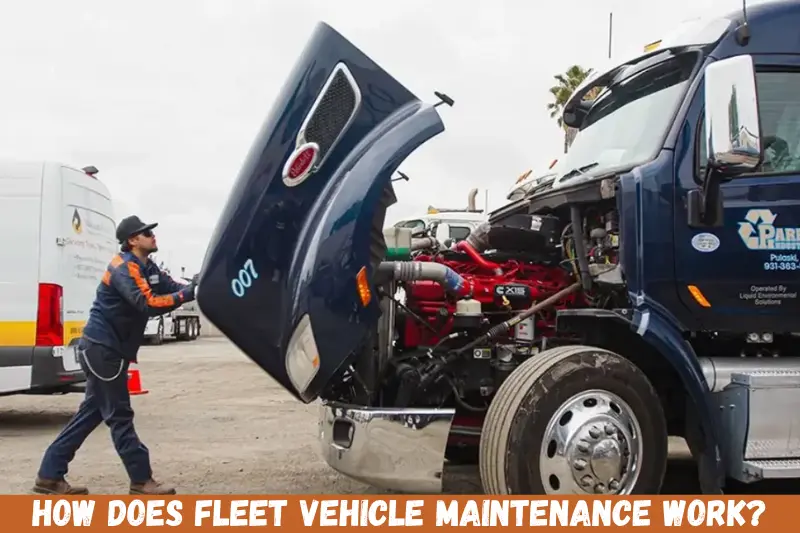
A professional maintenance process normally starts with understanding the vehicle’s condition and service requirements.
Step 1: Review the Vehicle’s History
The mechanic should consider previous servicing, repairs, mileage, operating conditions, and any recurring problems.
Maintenance records can be valuable because they show which components have already been replaced and when future servicing may be due.
Step 2: Perform an Inspection
The technician checks relevant mechanical and electrical systems. The inspection should be appropriate for the vehicle type and the reason for the visit.
For example, a vehicle experiencing overheating requires a different diagnostic approach from one experiencing brake vibration.
Step 3: Diagnose Problems
If a fault is found, the mechanic determines its likely cause. Modern diagnostic tools can assist with electronic systems, while physical inspection remains important for mechanical components.
Step 4: Explain the Required Work
The business should understand what needs to be repaired, why the repair is necessary, and whether the work is urgent or can be scheduled.
Clear communication helps fleet operators prioritise repairs without unnecessarily taking vehicles out of service.
Step 5: Complete the Repair or Service
The mechanic performs the required work using suitable parts, tools, and procedures for the specific vehicle.
Step 6: Test and Record the Work
After servicing or repairs, the vehicle should be checked appropriately before returning to operation. The maintenance record should then be updated with the work completed.
Preventive Maintenance vs Reactive Repairs
Understanding the difference between preventive and reactive maintenance can help fleet operators plan their servicing strategy.
| Maintenance Type | Main Purpose | Typical Example |
|---|---|---|
| Preventive maintenance | Reduce the chance of unexpected failures | Scheduled oil and filter service |
| Inspection | Identify developing problems | Brake and suspension inspection |
| Reactive repair | Fix an existing fault | Repairing an overheating engine |
| Breakdown repair | Restore a vehicle after failure | Diagnosing a vehicle that cannot start |
Preventive maintenance should not mean replacing every component unnecessarily. The maintenance schedule should consider manufacturer recommendations, vehicle condition, mileage, usage, load, and operating environment.
Signs Your Fleet Vehicle Needs a Mechanic
Fleet operators and drivers should pay attention to changes in vehicle behaviour. Early warning signs can include:
- Dashboard warning lights
- Unusual engine noises
- Excessive smoke
- Difficulty starting
- Reduced engine performance
- Brake noise or vibration
- Steering problems
- Uneven tyre wear
- Fluid leaks
- Engine overheating
- Gear-changing problems
- Unusual vibration
- Poor fuel economy
- Repeated electrical faults
A warning sign does not always indicate a major failure. However, investigating it early can help prevent a minor issue from becoming more complicated.
Benefits of Hiring a Dedicated Fleet Mechanic
Working with a suitable transport fleet mechanic in Levin can provide practical benefits for businesses operating several commercial vehicles.
Consistent Maintenance
A regular mechanic can become familiar with the fleet’s vehicles, maintenance history, and recurring issues. This can make future diagnosis and servicing more organised.
Easier Maintenance Planning
Fleet operators can plan upcoming servicing instead of dealing with every vehicle problem as an emergency.
Better Vehicle Availability
Scheduled maintenance can help businesses manage when vehicles are taken off the road, making it easier to coordinate servicing around operational requirements.
Centralised Maintenance Records
Keeping accurate records allows operators to track repairs, servicing, component replacement, and recurring faults.
Support for Fleet Growth
As a business adds vehicles, a structured maintenance process becomes increasingly useful. A mechanic who understands fleet requirements can help establish practical service routines.
How to Choose the Right Transport Fleet Mechanic in Levin
Choosing a mechanic should involve more than simply comparing the cheapest quote.
Check Relevant Experience
Ask whether the mechanic regularly works with the types of vehicles in your fleet. A business operating heavy trucks may require different expertise from one operating light commercial vans.
Ask About Diagnostic Capability
Modern vehicles can contain complex electronic systems. Appropriate diagnostic equipment and technical knowledge can be important for accurate troubleshooting.
Look for Clear Communication
A good service provider should be able to explain the problem, recommended repair, urgency, and expected work in straightforward language.
Consider Fleet Requirements
Ask whether the mechanic can accommodate scheduled servicing, multiple vehicles, inspections, and urgent repairs when necessary.
Review Maintenance Documentation
Proper records make it easier to understand a vehicle’s service history and plan future maintenance.
Consider Total Value
The lowest initial repair price is not always the best choice. Parts quality, workmanship, communication, downtime, and long-term reliability can all affect the real cost of fleet maintenance.
Common Fleet Maintenance Mistakes
Even businesses that understand the importance of servicing can make avoidable mistakes.
Ignoring Small Warning Signs
A minor leak, unusual noise, or warning light should not automatically be ignored. Early diagnosis can be more practical than waiting for a vehicle to fail.
Servicing Only After a Breakdown
Reactive maintenance can leave businesses dealing with unexpected downtime. Preventive maintenance provides a more structured approach.
Poor Record Keeping
Without accurate records, it becomes difficult to determine when a vehicle was serviced or which components were previously repaired.
Using the Same Schedule for Every Vehicle
Different vehicles can have different service requirements. Manufacturer recommendations, mileage, age, workload, and operating conditions should be considered.
Focusing Only on the Engine
Fleet maintenance involves much more than engine servicing. Brakes, tyres, steering, suspension, electrical systems, transmission, cooling systems, and other components also require attention.
Practical Fleet Maintenance Tips
A few simple management practices can make maintenance easier.
- Keep a service record for every vehicle.
- Follow the manufacturer’s recommended maintenance intervals.
- Record mileage and relevant operating information.
- Encourage drivers to report unusual vehicle behaviour quickly.
- Schedule inspections before major operational periods when practical.
- Prioritise safety-related faults.
- Use suitable replacement parts and fluids for each vehicle.
- Review recurring faults rather than repeatedly treating only the symptoms.
- Keep documentation for completed repairs.
- Build a relationship with a mechanic familiar with your fleet.
These practices can help turn maintenance from a reactive task into a more organised part of fleet management.
When Should You Call a Fleet Mechanic?
You should arrange professional inspection when a commercial vehicle shows an unexplained mechanical, electrical, braking, steering, or performance problem.
For serious safety-related symptoms, the vehicle should not simply continue operating until the problem becomes worse. Brake failure symptoms, severe steering problems, major fluid leaks, significant overheating, or other potentially dangerous faults require appropriate attention before the vehicle returns to normal operation.
For routine maintenance, follow the vehicle manufacturer’s service recommendations and any applicable inspection or operating requirements.
Internal link
For reliable transport fleet mechanic Levin services, regular inspections and preventive maintenance can help keep commercial vehicles operating safely and efficiently. Businesses can also learn more about heavy vehicle requirements and ensure their fleet maintenance practices support safe vehicle operation.
Frequently Asked Questions
What does a transport fleet mechanic do?
A transport fleet mechanic maintains and repairs commercial vehicles used by businesses. Their work can include engine servicing, brake repairs, electrical diagnostics, transmission work, suspension inspections, cooling-system repairs, and preventive maintenance. Fleet mechanics may work across multiple vehicles and help operators maintain service records and planned maintenance schedules.
Why is preventive fleet maintenance important?
Preventive fleet maintenance helps identify developing mechanical problems before they cause unexpected vehicle failures. Regular servicing can also support vehicle reliability, safety, and more predictable maintenance planning. It does not eliminate breakdowns completely, but it gives fleet operators a structured way to manage vehicle condition and servicing requirements.
How often should fleet vehicles be serviced?
There is no single service interval that applies to every fleet vehicle. Maintenance schedules depend on the manufacturer’s recommendations, vehicle type, mileage, age, workload, operating conditions, and other factors. Fleet operators should follow the applicable manufacturer schedule and adjust maintenance planning when the vehicle’s actual use requires additional attention.
What should I check before choosing a fleet mechanic in Levin?
Look for experience with your vehicle types, appropriate diagnostic capability, clear communication, reliable documentation, and an ability to support your fleet’s servicing requirements. It is also useful to ask about scheduled maintenance, repair processes, parts, turnaround expectations, and how urgent problems are handled.
Can a fleet mechanic help reduce vehicle downtime?
A fleet mechanic can help reduce avoidable downtime by identifying developing faults during scheduled inspections and completing preventive maintenance. No maintenance program can guarantee that a vehicle will never break down, but organised servicing, accurate records, prompt diagnosis, and timely repairs can make vehicle maintenance more predictable.
Expert Tips for Better Fleet Maintenance
For businesses managing commercial vehicles, the most effective approach is usually a combination of preventive maintenance, driver awareness, accurate records, and professional diagnosis.
Do not wait for every vehicle to develop an obvious problem before arranging an inspection. Instead, create a maintenance routine based on the vehicle manufacturer’s recommendations and the actual demands placed on each vehicle.
It is also useful to treat drivers as an important source of information. Drivers spend significant time with the vehicles and may notice changes in sound, handling, braking, starting, or performance before a serious fault develops.
Another useful practice is to look for patterns. If the same vehicle repeatedly develops a particular fault, investigate the underlying reason rather than simply repairing the same symptom each time.
Finally, keep maintenance records organised. A clear history can help mechanics diagnose problems, identify recurring issues, and plan upcoming servicing more efficiently.
Conclusion
A reliable transport fleet mechanic in Levin can play an important role in keeping commercial vehicles maintained, safe, and ready for regular work. Fleet maintenance involves much more than repairing a vehicle after it breaks down. It includes preventive servicing, inspections, diagnostics, safety checks, repairs, documentation, and sensible maintenance planning.
For transport businesses, regular attention to engines, brakes, transmissions, steering, suspension, tyres, electrical systems, cooling systems, and other critical components can help create a more organised approach to vehicle maintenance.
The best starting point is to review the current condition and maintenance history of each vehicle in your fleet. Identify overdue servicing, recurring faults, and safety-related issues, then work with a qualified mechanic to establish an appropriate maintenance schedule. This proactive approach can make fleet servicing easier to manage and help keep vehicles working when your business needs them.
