

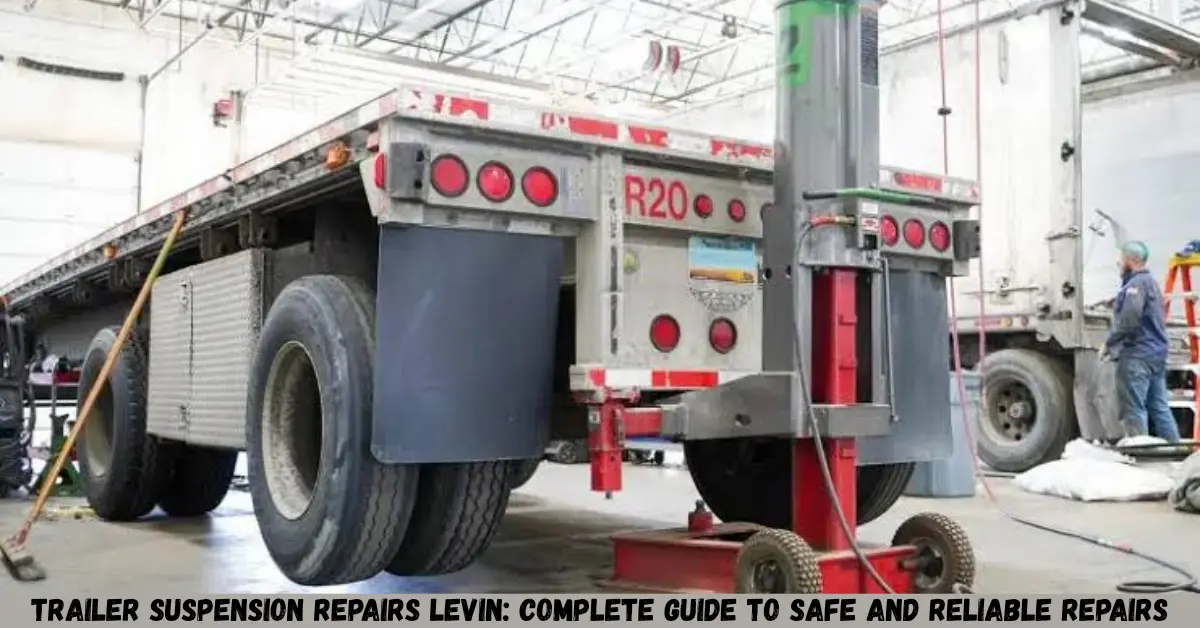
Trailer Suspension Repairs Levin: What Every Trailer Owner Should Know
Trailer suspension repairs Levin are important when a trailer starts bouncing excessively, leaning to one side, wearing tyres unevenly, or becoming difficult to control. A damaged suspension system can affect ride quality, tyre wear, braking performance, load stability, and overall trailer safety.
Trailer suspension connects the trailer body to its wheels and helps absorb road shocks while keeping the wheels properly positioned. Depending on the trailer design, the system may use leaf springs, coil springs, torsion suspension, axles, bushes, shackles, hangers, or other components.
This guide explains how trailer suspension works, the most common problems, warning signs that repairs may be needed, how a professional inspection normally works, and how regular maintenance can prevent more serious damage. It also explains what trailer owners should consider before choosing a repair service.
What Is Trailer Suspension?

Trailer suspension is the system that supports the trailer’s weight while allowing the wheels and axle to respond to bumps, potholes, uneven surfaces, and changes in load.
The suspension does more than provide a comfortable ride. It helps maintain contact between the tyres and road and contributes to predictable trailer behaviour.
Common trailer suspension components include:
- Leaf springs
- Torsion suspension units
- Coil springs on applicable trailer designs
- Axles
- Shackles
- Spring hangers
- Suspension bushes
- U-bolts and mounting hardware
- Shock absorbers where fitted
- Wheel bearings and related components
The exact arrangement depends on the trailer’s construction, axle configuration, load rating, and manufacturer specifications.
Why Is Trailer Suspension Important?
Trailer suspension is important because it helps support the load and control how the trailer responds to road conditions.
A healthy suspension system can help provide:
- Better trailer stability
- More consistent wheel movement
- Improved load support
- Reduced impact from road irregularities
- More even tyre contact with the road
- Reduced stress on other trailer components
- Safer and more predictable towing
A suspension problem should not automatically be treated as a minor comfort issue. A broken spring, damaged mounting point, severely worn bush, or other structural problem can affect the way a trailer behaves when being towed.
For that reason, unusual suspension symptoms should be investigated rather than ignored.
Common Trailer Suspension Problems
Several suspension problems can develop through normal wear, heavy loads, poor road conditions, corrosion, incorrect maintenance, or component damage.
Broken or Cracked Leaf Springs
Leaf springs carry a significant portion of the trailer’s load. A cracked or broken leaf can change the trailer’s ride height and reduce its ability to support the load correctly.
Possible warning signs include:
- One side of the trailer sitting lower
- Unusual suspension noise
- Visible cracks
- Excessive movement
- Uneven tyre wear
- Poor trailer stability
A damaged spring should be inspected promptly because continuing to tow with a compromised suspension component can create additional problems.
Worn Suspension Bushes
Suspension bushes allow controlled movement between components while reducing unwanted metal-to-metal contact.
Over time, bushes can deteriorate, crack, deform, or develop excessive movement. This may contribute to noise, looseness, or changes in suspension geometry.
During trailer suspension repairs Levin inspections, bushes should be checked whenever the suspension shows excessive play or unusual movement.
Damaged Shackles and Hangers
Shackles and hangers help connect leaf springs to the trailer chassis.
If these parts become worn, bent, cracked, or corroded, the suspension may not move as intended. In severe cases, the mounting area itself may require inspection for structural damage.
Axle or Suspension Alignment Problems
A trailer that does not track correctly may have an issue involving the axle, suspension mounting, wheels, tyres, or another related component.
Possible symptoms include:
- Uneven tyre wear
- Trailer pulling or tracking incorrectly
- Abnormal wheel position
- Increased tyre temperature
- Unusual handling
Alignment should be assessed according to the trailer manufacturer’s specifications rather than corrected through guesswork.
Torsion Suspension Problems
Some trailers use torsion suspension rather than conventional leaf springs. Torsion systems use a different design and should be assessed according to the specific manufacturer’s construction.
Symptoms can include uneven ride height, abnormal wheel movement, excessive bouncing, or reduced suspension performance.
Because torsion units can have different service requirements, identifying the exact suspension type is an important first step.
Signs Your Trailer May Need Suspension Repairs
Knowing the warning signs can help trailer owners identify problems before they become more serious.
1. The Trailer Sits Unevenly
If one side of the trailer is noticeably lower than the other, there may be a damaged spring, worn suspension component, uneven load, or another mechanical issue.
First make sure the trailer is parked on a reasonably level surface and the load is distributed correctly. If the problem remains, have the suspension inspected.
2. Excessive Bouncing
A trailer that continues bouncing excessively after travelling over a bump may have a suspension issue.
The cause can vary depending on the trailer design and may involve springs, shock absorbers where fitted, load distribution, or other components.
3. Uneven Tyre Wear
Uneven tread wear can indicate problems involving suspension, axle position, wheel alignment, tyre pressure, load distribution, or wheel components.
It is therefore better to investigate the complete system rather than assuming the tyre itself is the only problem.
4. Strange Noises
Clunking, knocking, squeaking, or metallic sounds from underneath a trailer can indicate worn or damaged components.
Noise alone does not identify the exact fault, but it is a useful warning that an inspection may be necessary.
5. Visible Damage
A visual inspection may reveal:
- Cracked springs
- Bent components
- Corrosion
- Damaged bushes
- Loose hardware
- Deformed mounting points
- Abnormal tyre position
Any obvious structural damage deserves professional attention before the trailer returns to regular use.
How Trailer Suspension Repairs Levin Are Normally Carried Out
The exact repair process depends on the trailer and the fault. A professional repair should begin with diagnosis rather than immediately replacing parts.
Step 1: Initial Inspection
The technician examines the trailer and looks for visible signs of damage, wear, corrosion, or incorrect positioning.
The trailer’s suspension type and configuration should also be identified.
Step 2: Check the Suspension Components
Important areas may include:
- Springs
- Bushes
- Shackles
- Hangers
- Axle
- Mounting points
- U-bolts and fasteners
- Shock absorbers where fitted
- Wheels and tyres
The inspection should consider how the components work together.
Step 3: Identify the Root Cause
Replacing a visibly damaged component without checking why it failed can result in the same problem returning.
For example, uneven tyre wear could have several possible causes. The technician should determine whether the issue comes from suspension movement, axle alignment, tyre pressure, load distribution, or another component.
Step 4: Replace or Repair Damaged Components
Depending on the condition, the repair may involve replacing worn bushes, springs, shackles, fasteners, or other suspension components.
Structural repairs should be approached carefully because the suspension attaches to load-bearing areas of the trailer.
Step 5: Inspect Related Components
Suspension problems can affect other areas. After repairs, related components such as tyres, wheels, axle positioning, and mounting hardware should be checked where relevant.
Step 6: Final Safety Check
The trailer should receive a final inspection to ensure components are correctly installed and the suspension operates as intended.
If the trailer has manufacturer-specific specifications, those should guide the repair and inspection process.
Trailer Suspension Repair vs Suspension Replacement
Not every suspension problem requires the complete system to be replaced.
| Situation | Possible Approach |
|---|---|
| Worn bush | Replace the affected bush |
| Damaged shackle | Replace the damaged component |
| Broken leaf spring | Replace the damaged spring or appropriate spring set |
| Damaged mounting hardware | Replace hardware and inspect mounting area |
| Severe structural damage | Requires detailed inspection and appropriate repair |
| Torsion unit problem | Assess according to the specific suspension design |
The correct solution depends on the trailer’s design and the condition of the components.
A professional should determine whether repair, component replacement, or broader suspension replacement is appropriate.
Benefits of Professional Trailer Suspension Repairs
Using an experienced trailer repair professional can provide several practical advantages.
Improved Trailer Stability
Correctly functioning suspension helps the trailer respond more predictably to road conditions.
Better Load Support
Suspension components are designed around particular load and trailer requirements. Damaged components can compromise that support.
Reduced Tyre Problems
Correct suspension condition can help prevent suspension-related tyre wear, although tyre pressure, alignment, loading, and wheel condition also need attention.
Early Detection of Related Problems
A suspension inspection may reveal other issues before they become more expensive or disruptive.
Better Towing Confidence
A trailer that tracks properly and behaves predictably is easier to manage during normal towing conditions.
Limitations and Things to Consider
Trailer suspension repairs are not always straightforward.
The correct repair can depend on:
- Trailer size
- Suspension design
- Axle configuration
- Load requirements
- Component availability
- Corrosion
- Chassis condition
- Previous repairs
- Manufacturer specifications
A replacement component should not simply be selected because it physically fits. Its specifications need to be appropriate for the trailer.
Similarly, increasing suspension capacity without considering the trailer’s complete design does not automatically make the trailer suitable for a heavier load.
How to Choose a Trailer Suspension Repair Service in Levin

If you are searching for trailer suspension repairs Levin, consider the following before choosing a repair provider.
Check Relevant Experience
Look for a service that regularly works with trailers and understands different suspension designs.
Ask for a Proper Diagnosis
A good repair process should identify the cause of the problem instead of relying only on the most obvious damaged part.
Discuss Replacement Parts
Ask what components need replacing and whether the proposed parts are appropriate for your trailer’s specifications.
Request a Clear Explanation
You should be able to understand:
- What failed
- Why it may have failed
- What needs to be repaired
- Which parts need replacement
- Whether related components should be checked
Consider Safety Before Price
The cheapest repair is not necessarily the best repair if important damaged components are overlooked.
For a suspension system, correct diagnosis and suitable components should be priorities.
Common Mistakes Trailer Owners Should Avoid
Ignoring Uneven Ride Height
A trailer that suddenly sits lower on one side should be inspected rather than treated as normal.
Continuing to Tow After a Major Suspension Failure
If a spring or major suspension component is visibly broken or severely damaged, continuing to tow can create additional safety risks.
Replacing Only the Tyres
Uneven tyre wear may be caused by a suspension or alignment problem. Replacing tyres without investigating the underlying cause may not solve the issue.
Overloading the Trailer
Suspension components have design and load limitations. Carrying loads beyond the trailer’s specified capacity can place excessive stress on the suspension and other components.
Using Incorrect Replacement Parts
Suspension components need to match the trailer’s design and requirements. A component that looks similar is not necessarily suitable.
Neglecting Routine Inspections
Small suspension problems can become more complicated when they are ignored for long periods.
Practical Trailer Suspension Maintenance Tips
Regular checks can help identify problems early.
Before towing, consider checking:
- Tyre condition and pressure
- Visible suspension damage
- Spring condition
- Suspension mounting points
- Loose or damaged hardware
- Wheel condition
- Unusual changes in ride height
- Signs of uneven tyre wear
Also pay attention to changes in towing behaviour. New noises, unusual bouncing, instability, or tracking changes should not be ignored.
If a trailer is regularly exposed to wet, muddy, salty, or harsh road conditions, keeping the underbody clean and inspecting for corrosion can be particularly useful.
When Should You Stop Using a Trailer?
A trailer should be taken out of service when there is a serious or uncertain mechanical problem that could affect safe towing.
Examples can include:
- A visibly broken suspension component
- Severe structural corrosion
- A badly damaged axle
- A wheel that is visibly misaligned
- Severe tyre damage
- Loose major suspension hardware
- Significant instability while towing
If you are unsure whether a trailer is safe to tow, professional inspection is the safer approach than continuing to use it and hoping the problem disappears.
Internal link
Proper trailer suspension repairs Levin can help resolve issues such as damaged springs, worn bushes, uneven ride height, and unusual tyre wear. For additional information about trailer safety and requirements, you can also refer to the New Zealand Transport Agency (NZTA) guidance. Regular inspections and timely repairs can help keep your trailer reliable and suitable for safe towing.
Frequently Asked Questions
What are the most common signs of trailer suspension problems?
Common warning signs include uneven ride height, excessive bouncing, unusual noises, uneven tyre wear, visible spring damage, and changes in towing behaviour. These symptoms can have several possible causes, so the suspension, axle, tyres, wheels, and load distribution should be considered together during diagnosis.
How often should trailer suspension be inspected?
There is no single inspection interval suitable for every trailer. Usage, load, road conditions, suspension type, age, and manufacturer recommendations all matter. A trailer used frequently or carrying heavy loads generally deserves more frequent attention. Visual checks before towing can also help identify obvious problems early.
Can I repair trailer suspension myself?
Some minor maintenance tasks may be manageable for an experienced owner, but suspension repairs can involve load-bearing components and require correct installation. If a spring, axle, mounting point, or structural component is damaged, professional assessment is advisable to ensure the repair is appropriate for the trailer.
Why is my trailer wearing tyres unevenly?
Uneven tyre wear can result from incorrect tyre pressure, wheel alignment, axle problems, suspension wear, damaged components, or uneven loading. The tyre should not automatically be blamed. If uneven wear continues after correcting tyre pressure and loading, the trailer’s suspension and axle-related components should be inspected.
What should I check before choosing trailer suspension repairs in Levin?
Look for a repair service with relevant trailer experience, a diagnostic approach, appropriate replacement parts, and clear communication about the repair. Ask what caused the failure and whether related suspension, axle, tyre, and mounting components have been checked. Safety and correct specifications should be more important than choosing the lowest price.
Expert Tips for Better Trailer Suspension Care
A few practical habits can make trailer maintenance easier.
Inspect before long trips. A quick visual check can identify obvious problems before a journey.
Pay attention to changes. If the trailer suddenly feels different, investigate instead of assuming the change is normal.
Keep loads distributed correctly. Poor load distribution can place unnecessary stress on suspension components and affect towing behaviour.
Do not ignore corrosion. Corrosion around suspension and mounting areas deserves attention, particularly when it affects structural integrity.
Keep maintenance records. Recording inspections and repairs makes it easier to identify recurring problems and plan future maintenance.
Use specifications rather than guesswork. Replacement springs, suspension components, tyres, and other parts should be appropriate for the trailer’s design and requirements.
Why Early Trailer Suspension Repairs Can Be a Smart Decision
A suspension problem rarely exists in isolation. A damaged spring can affect ride height, while incorrect suspension movement can contribute to tyre wear or altered towing behaviour.
Early diagnosis gives the owner an opportunity to identify the problem before additional components are affected.
This does not mean every unusual noise requires an expensive repair. It means the cause should be established before deciding what work is necessary.
For trailer owners looking for trailer suspension repairs Levin, the most useful approach is to focus on proper diagnosis, suitable replacement components, correct installation, and a final safety inspection.
Conclusion
Trailer suspension repairs Levin can help address problems such as broken springs, worn bushes, damaged shackles, suspension mounting issues, uneven ride height, and other faults that affect trailer performance. Suspension is an important part of the trailer because it supports the load and helps the wheels respond correctly to changing road conditions.
The key warning signs include uneven ride height, excessive bouncing, unusual noises, uneven tyre wear, visible damage, and changes in towing behaviour. These symptoms should be investigated rather than ignored.
Before arranging repairs, choose a service that understands trailer suspension systems and can identify the underlying cause instead of simply replacing the most obvious damaged component. Correct replacement parts, proper installation, and inspection of related components are equally important.
