


Introduction
Trailer repairs Levin are important for keeping trailers safe, dependable, and suitable for regular transport work. Whether a trailer is used for commercial deliveries, equipment transport, farming activities, or occasional hauling, worn components and neglected maintenance can affect braking, lighting, tyres, suspension, and overall road performance.
This guide explains the most common trailer problems, how professional repairs work, when servicing is required, what inspections should include, and how owners can reduce avoidable repair issues. It also covers trailer safety, maintenance planning, common mistakes, and practical questions owners often ask before arranging repairs.
What Are Trailer Repairs Levin?
Trailer repairs involve inspecting, diagnosing, maintaining, replacing, or restoring components that affect a trailer’s safety and operation. Repairs can range from replacing worn brake components and damaged tyres to fixing electrical wiring, suspension parts, wheel bearings, couplings, and lighting systems.
A proper repair should address the underlying fault rather than simply treating its visible symptom. For example, uneven tyre wear may not be caused by the tyre itself. It can also indicate an alignment, suspension, axle, or load-distribution problem.
Professional trailer repairs Levin can therefore involve several stages, including inspection, fault diagnosis, component replacement, adjustment, testing, and final safety checks.
Why Regular Trailer Repairs Levin Maintenance Matters
Regular maintenance helps identify developing problems before they become more difficult or expensive to manage. A trailer is exposed to road vibration, weather, heavy loads, braking forces, and repeated coupling and uncoupling, so its components can gradually deteriorate.
A consistent maintenance routine can help owners:
- Identify worn components earlier
- Maintain effective braking performance
- Reduce unexpected breakdowns
- Protect tyres and suspension components
- Keep lights and electrical systems working
- Improve towing stability
- Reduce unnecessary repair costs
- Support safer trailer operation
Maintenance does not guarantee that a trailer will never fail. However, regular inspections can make developing faults easier to identify and address.
Common Trailer Repairs Levin Problems That Require Repairs
Different trailer types experience different operating conditions, but several mechanical and electrical problems are common.
Trailer Brake Problems
Brakes are among the most important trailer components because they help control the trailer during deceleration and stopping. Brake problems may involve worn brake shoes or pads, damaged drums, faulty actuators, incorrect adjustment, hydraulic issues, or electrical faults in braking systems.
Warning signs can include unusual noises, reduced braking response, pulling during braking, excessive heat around wheels, or changes in braking behaviour.
A brake inspection should examine the complete system rather than focusing only on the most obvious component.
Damaged or Worn Tyres
Trailer tyres can develop uneven wear, cracks, punctures, low tread, or other damage. Incorrect tyre pressure and excessive loading can accelerate wear.
Owners should regularly check tyre condition and pressure according to the trailer and tyre manufacturer’s requirements. Tyres should also be inspected for visible damage before longer journeys.
Wheel Bearing Problems
Wheel bearings allow the wheels to rotate smoothly around the axle. Poor lubrication, contamination, excessive wear, or damaged seals can lead to bearing problems.
Possible warning signs include unusual wheel noise, excessive heat, vibration, or looseness. Bearing issues should not be ignored because a damaged bearing can affect wheel operation and create a more serious mechanical problem.
Suspension and Axle Issues
Trailer suspension helps manage road impacts and contributes to stability. Damaged springs, bushes, shock absorbers, mounting components, or other suspension parts can affect how a trailer behaves under load.
Common symptoms include uneven tyre wear, excessive bouncing, unusual noises, poor stability, or a trailer sitting unevenly.
Electrical and Lighting Faults
Trailer lighting is essential for communication with other road users. Faults may involve bulbs, LED units, connectors, wiring, plugs, earth connections, or damaged cables.
Common symptoms include:
- Brake lights not operating
- Indicators failing intermittently
- Tail lights not working
- Flickering lights
- Loose electrical connections
- Corroded plugs or terminals
Electrical problems can sometimes be simple to repair, but intermittent faults may require systematic testing to identify the actual cause.
How Professional Trailer Repairs Levin Usually Work

A reliable repair process should begin with diagnosis rather than immediately replacing parts.
Step 1: Initial Inspection
The technician checks the trailer’s general condition and identifies visible signs of damage, wear, corrosion, leakage, or loose components.
Step 2: Fault Diagnosis
The suspected problem is tested to determine what is actually causing the issue. This is particularly important for electrical, braking, suspension, and wheel-related faults.
Step 3: Repair Planning
Once the fault has been identified, the technician can determine which components need adjustment, repair, replacement, or further inspection.
Step 4: Component Repair or Replacement
Damaged or worn components are repaired where appropriate or replaced with suitable parts. The repair approach depends on the trailer design, component condition, safety requirements, and manufacturer’s specifications.
Step 5: Testing and Final Inspection
After repairs, the relevant systems should be checked again. Brakes, lights, wheels, tyres, suspension, coupling components, and other repaired areas should receive appropriate final checks before the trailer returns to service.
Trailer Repairs Levin vs. Trailer Maintenance
Repair and maintenance are related but are not exactly the same.
| Trailer Maintenance | Trailer Repairs |
|---|---|
| Prevents or identifies developing faults | Addresses an existing fault |
| Includes routine inspections | Usually follows a diagnosed problem |
| May involve lubrication and adjustments | May involve component replacement |
| Helps monitor component condition | Restores affected functionality |
| Can reduce unexpected problems | Responds to damage or failure |
A good maintenance programme can reduce the likelihood of unexpected repairs, but maintenance cannot eliminate every possible failure.
Benefits of Choosing Professional Trailer Repairs Levin
Professional servicing can be useful when a problem involves safety-critical components or requires specialist diagnosis.
Better Fault Diagnosis
A trained technician can inspect related components instead of assuming that the first visible symptom is the complete problem.
Safer Repairs
Braking, coupling, suspension, wheels, and electrical systems can directly affect trailer operation. Proper inspection and repair can help ensure these systems are functioning as intended.
Reduced Downtime
For businesses that rely on trailers, unexpected downtime can interfere with transport schedules. Planned maintenance can make repair work easier to manage.
Better Component Monitoring
Professional inspections can also identify components that may require attention in the future, allowing owners to plan maintenance instead of waiting for a complete failure.
When Should You Arrange Trailer Repairs Levin?
A trailer should be inspected when there are noticeable changes in performance or visible signs of damage. Immediate professional attention is particularly sensible when a safety-critical component appears defective.
Consider arranging an inspection if you notice:
- Grinding or unusual wheel noises
- Weak or inconsistent braking
- Trailer instability
- Excessive bouncing
- Uneven tyre wear
- Damaged tyres
- Faulty indicators or brake lights
- Loose coupling components
- Electrical faults
- Wheel overheating
- Visible cracks, corrosion, or structural damage
A trailer that has been involved in an accident or suffered significant impact should also be inspected before being returned to normal use.
How to Prepare for a Trailer Repairs Levin Appointment
Good preparation can help make the inspection more efficient.
Before taking the Trailer repairs Levin for repairs, note:
- What problem you noticed.
- When the problem first appeared.
- Whether it occurs only when loaded.
- Whether the problem changes with speed.
- Any unusual noises, smells, vibration, or heat.
- Whether warning lights or electrical components are affected.
- Any recent repairs, modifications, or component replacements.
Clear information can help the technician understand the circumstances surrounding the fault.
Trailer Repairs Levin Maintenance Tips for Owners
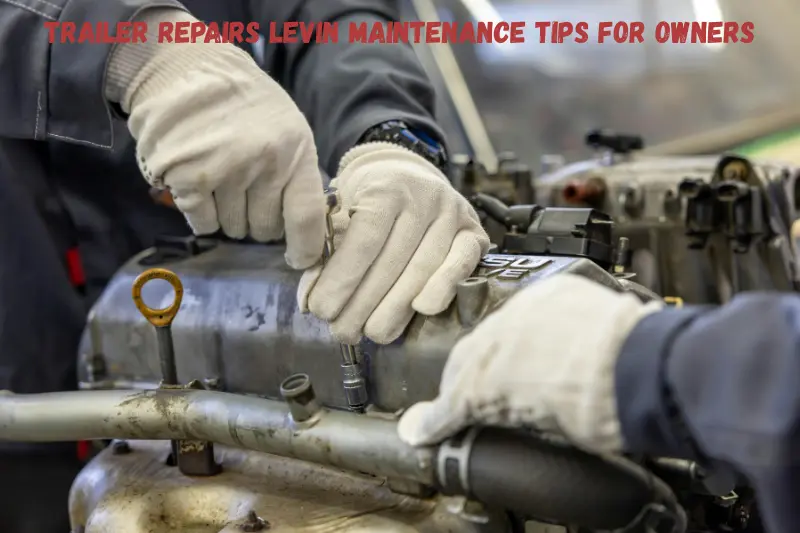
Simple checks performed regularly can help owners monitor trailer condition between professional services.
Check Tyres Regularly
Inspect tyre pressure, tread condition, visible damage, and uneven wear. Follow the manufacturer’s guidance for correct pressure and loading.
Inspect Lights
Before travelling, check indicators, brake lights, tail lights, reflectors, and connections.
Examine Coupling Components
The coupling mechanism should be secure and properly connected before towing. Inspect for unusual wear, damage, or other visible issues.
Pay Attention to Braking Behaviour
Changes in braking performance should be investigated rather than ignored. Brake problems can become more serious when a trailer continues operating under heavy loads.
Keep Components Clean
Dirt, moisture, and road contaminants can contribute to corrosion and electrical problems. Keeping accessible components clean can make damage easier to spot.
Maintain Service Records
Recording inspections, repairs, component replacements, and servicing dates can help owners understand the trailer’s maintenance history and plan future work.
Common Mistakes to Avoid
Some trailer problems become more complicated because of poor maintenance decisions.
Ignoring Small Warning Signs
A minor vibration, unusual noise, or intermittent light problem may indicate a developing fault. Waiting until a component fails completely can increase disruption.
Overloading the Trailer
A trailer should not be loaded beyond its applicable rated capacity. Excessive weight can place additional stress on tyres, suspension, brakes, axles, and coupling components.
Replacing Parts Without Diagnosis
Replacing a component without identifying the underlying problem can waste money and leave the original fault unresolved.
Neglecting Electrical Connections
Electrical faults can sometimes appear intermittently. Simply replacing a bulb may not solve a problem caused by damaged wiring, poor connections, corrosion, or grounding issues.
Delaying Safety-Critical Repairs
Problems involving brakes, coupling, tyres, wheels, suspension, or structural components should receive appropriate attention rather than being postponed unnecessarily.
Trailer Repairs Levin for Different Types of Use
Trailer maintenance requirements can vary according to how the trailer is used.
A commercial trailer may accumulate frequent mileage and carry regular loads, making planned inspections particularly important. Agricultural trailers can experience mud, dust, moisture, uneven surfaces, and demanding working conditions.
Car trailers, equipment trailers, box trailers, utility trailers, and other designs may also have different components and maintenance requirements. The correct inspection approach should therefore consider the trailer’s design, load, operating environment, and manufacturer guidance.
Regular trailer servicing in Levin can help identify worn components before they become major problems. If your trailer is experiencing braking issues, you can also learn more about trailer brake repairs in Levin. For suspension-related problems, our guide to trailer maintenance in Levin provides practical information about inspections, servicing, and component care.
For official information about vehicle safety, compliance, and road-use requirements in New Zealand, readers can refer to the New Zealand Transport Agency (NZTA). Checking official guidance alongside professional trailer inspections can help owners understand applicable safety and compliance requirements.
Frequently Asked Questions
What does trailer repairs Levin include?
Trailer repairs Levin can include inspection and repair of brakes, tyres, wheels, bearings, suspension, axles, couplings, electrical systems, lighting, and other components. The exact work depends on the trailer type and diagnosed fault. A professional inspection is useful when the problem is unclear or involves a safety-critical component.
How often should a trailer be serviced?
The appropriate service interval depends on the trailer design, manufacturer recommendations, operating conditions, mileage, loading, and frequency of use. Trailers used frequently or under demanding conditions may require more regular inspections. Owners should also perform basic visual checks between professional services.
What are the warning signs of trailer brake problems?
Warning signs can include unusual brake noises, inconsistent braking, pulling during braking, excessive heat around a wheel, or noticeable changes in stopping behaviour. Any significant change in braking performance should be investigated promptly because brakes are a critical part of safe trailer operation.
Can electrical trailer problems be repaired?
Yes. Trailer electrical repairs can address issues involving wiring, plugs, connectors, bulbs, LED assemblies, terminals, and grounding. Intermittent electrical faults may require additional testing because the visible symptom may not identify the actual source of the problem.
Should I repair or replace a damaged trailer component?
The decision depends on the component, its condition, safety implications, repairability, availability of suitable replacement parts, and manufacturer requirements. Safety-critical or structurally damaged components may require replacement rather than a temporary repair. A qualified technician can assess the most appropriate solution.
Conclusion
Trailer repairs Levin play an important role in keeping trailers dependable, functional, and ready for regular use. Brake faults, tyre wear, bearing problems, suspension damage, coupling issues, and electrical faults should be identified and addressed before they create larger operational or safety concerns.
The best approach is to combine regular visual inspections with appropriate professional servicing. Pay attention to unusual noises, vibration, braking changes, uneven tyre wear, faulty lights, and visible damage. Keep service records, avoid overloading, and use manufacturer guidance when checking components.
If your Trailer repairs Levin is showing signs of a mechanical, electrical, braking, suspension, or structural problem, the practical next step is to arrange a proper inspection and have the fault diagnosed before continuing normal operation.
