


Introduction
Trailer electrical repairs Levin are important whenever a trailer develops problems with its lights, wiring, brakes, battery connections, or other electrical components. A small electrical fault can affect visibility, braking performance, road safety, and the ability to use a trailer correctly.
Trailer electrical systems may appear simple, but they contain several interconnected components. A problem with a plug, earth connection, wire, fuse, lamp, connector, or brake circuit can cause multiple symptoms at once.
This guide explains what trailer electrical repairs involve, the most common electrical problems, warning signs to watch for, basic troubleshooting steps, repair considerations, common mistakes, and practical tips for maintaining a reliable trailer electrical system. It is written in straightforward language so readers can understand what may be wrong before deciding whether professional assistance is required.
What Are Trailer Electrical Repairs?
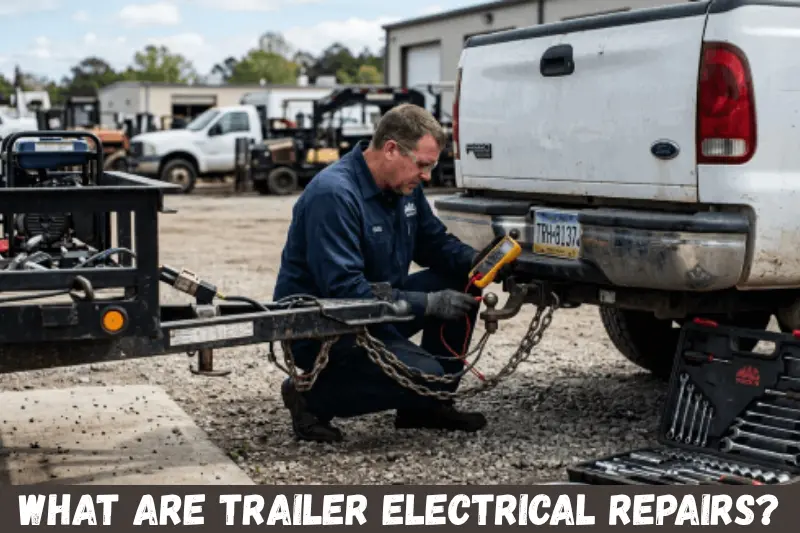
Trailer electrical repairs involve diagnosing and fixing faults in the electrical wiring, lighting, connectors, power supply, braking circuits, and related electrical components of a trailer.
A typical trailer electrical system may include:
- Trailer plug and socket
- Wiring harness
- Tail lights
- Brake lights
- Indicator lights
- Number plate light
- Clearance or marker lights
- Earth or ground connections
- Electric brake wiring where fitted
- Battery or auxiliary power circuits on some trailers
- Fuses and electrical connectors
The exact system depends on the trailer design and its intended use.
For example, if the trailer indicators work but the brake lights do not, the problem could be isolated to the brake-light circuit, a lamp, a connection, or the towing vehicle’s output. If several lights fail simultaneously, the trailer plug, earth connection, or common wiring may deserve closer inspection.
Why Are Trailer Electrical Repairs Important?
Proper trailer electrics help ensure that the trailer’s lights and other electrical systems operate reliably and safely.
A trailer travelling on public roads needs functioning lighting and signalling equipment appropriate to its configuration and local requirements. Faulty lights can make it harder for other road users to see the trailer or understand the driver’s intentions.
Electrical faults can also become worse when moisture, corrosion, vibration, or damaged insulation is involved.
Safety and Visibility
Working trailer lights help communicate braking, turning, and vehicle position to other road users. A failed indicator or brake light can therefore create a safety concern.
Reliable Towing
A loose electrical connection can cause intermittent faults that appear and disappear as the trailer moves. Reliable connections reduce the chance of unexpected electrical problems during a journey.
Preventing Further Damage
Repairing a small wiring problem early can sometimes prevent it from developing into a larger fault involving multiple components.
Better Fault Diagnosis
A systematic inspection can identify whether the problem originates from the trailer, towing vehicle, connector, wiring, or individual electrical component.
Common Trailer Electrical Problems
Trailer electrical faults can have many causes. Some are simple, while others require proper electrical testing.
1. Trailer Lights Not Working
One or more trailer lights may stop working because of:
- Blown bulbs
- Failed LED units
- Loose connections
- Broken wires
- Corroded terminals
- Poor earth connection
- Damaged trailer plug
- Fuse problems
If only one light fails, inspect that individual circuit first. If several lights stop working together, check shared connections and the main electrical supply.
2. Trailer Indicators Not Working
If the indicators fail, inspect the trailer plug, indicator circuit, wiring, lamps, and earth connection.
An intermittent indicator may be especially difficult to diagnose because vibration can temporarily restore or interrupt a weak connection.
3. Brake Lights Not Working
Brake-light problems should be treated seriously because they affect an important warning signal to vehicles behind the trailer.
Possible causes include:
- Faulty lamp
- Damaged wiring
- Loose connector
- Poor earth
- Plug damage
- Fault in the towing vehicle’s trailer circuit
Avoid assuming that replacing the bulb will solve every brake-light problem.
4. Poor or Corroded Earth Connection
A poor earth connection is one of the common causes of strange trailer-light behaviour.
Symptoms may include:
- Several lights behaving incorrectly
- Lights becoming dim
- Indicators affecting other lights
- Intermittent operation
- Lights working only when the wiring is moved
The earth connection should be clean, secure, and appropriate for the trailer’s electrical design.
5. Damaged Trailer Wiring
Trailer wiring is exposed to road debris, moisture, vibration, movement, and environmental conditions. Insulation can become damaged, wires can break, and connectors can loosen.
Damaged wiring should not simply be twisted together and left exposed. A suitable repair should protect the connection from mechanical stress and environmental exposure.
Warning Signs You May Need Trailer Electrical Repairs Levin
Some electrical problems are obvious, while others appear as intermittent symptoms.
Consider having the system inspected when you notice:
- Trailer lights flickering
- Indicators working inconsistently
- Brake lights failing
- Tail lights becoming dim
- Lights failing after rain
- Trailer plug becoming loose
- Visible corrosion
- Exposed or damaged wires
- Electrical components repeatedly blowing fuses
- Lights behaving differently when the trailer moves
A fault that disappears temporarily should not automatically be considered fixed. Intermittent faults can indicate a loose connection, damaged conductor, poor earth, or moisture-related issue.
How to Troubleshoot Trailer Electrical Problems
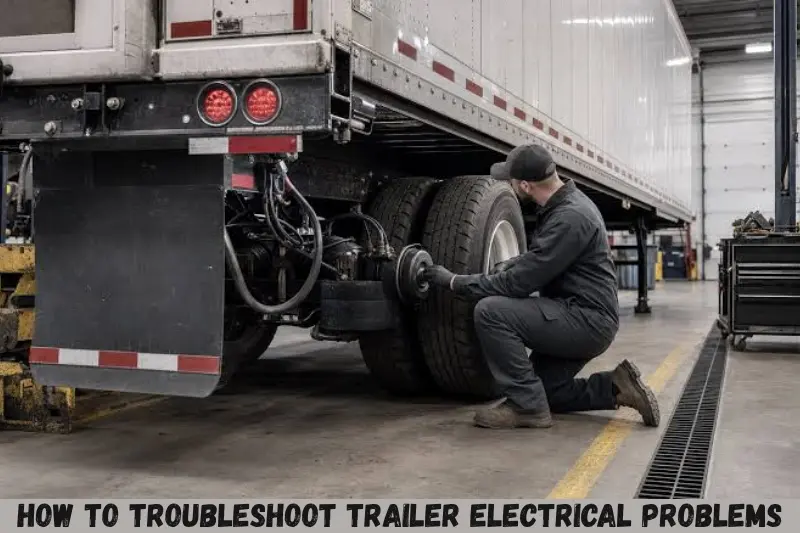
The best approach is to inspect the system methodically rather than replacing random components.
Step 1: Identify Exactly What Has Failed
Start by determining which functions are affected.
Check:
- Tail lights
- Brake lights
- Indicators
- Marker lights
- Number plate light
- Electric brake functions, if fitted
- Auxiliary electrical equipment, if fitted
Knowing exactly what works and what does not can help narrow down the affected circuit.
Step 2: Inspect the Trailer Plug
Look at the plug for:
- Bent terminals
- Corrosion
- Dirt
- Loose connections
- Cracked housing
- Damaged wiring
A damaged plug can cause several electrical functions to fail simultaneously.
Step 3: Inspect the Wiring
Follow the visible wiring along the trailer.
Look for:
- Cuts
- Crushed sections
- Exposed copper
- Loose wires
- Poor previous repairs
- Areas rubbing against metal
- Water entering connectors
Pay particular attention to locations where the wiring moves or passes close to sharp edges.
Step 4: Check the Earth Connection
Inspect the earth connection carefully. It should be secure and free from excessive corrosion or contamination.
A poor earth can create confusing symptoms because several circuits may appear to malfunction at the same time.
Step 5: Test the Individual Components
If the wiring and connections appear satisfactory, individual lamps and components can be tested.
Where electrical testing equipment is available and the person performing the test understands its safe use, voltage and continuity checks can help identify where the circuit is interrupted.
Step 6: Repair the Actual Cause
Once the fault is identified, repair or replace the affected component using suitable materials and connections.
Avoid making temporary repairs that leave wiring exposed to water, dirt, vibration, or abrasion.
Professional Trailer Electrical Repairs Levin vs DIY Troubleshooting
Basic visual checks can be useful for identifying obvious problems. However, more complicated faults may require proper diagnostic equipment and electrical knowledge.
| Basic DIY Check | Professional Diagnosis |
|---|---|
| Visual inspection | Detailed electrical testing |
| Check visible wiring | Trace hidden wiring faults |
| Inspect plug | Test electrical circuits |
| Check obvious lamp failures | Diagnose intermittent faults |
| Look for corrosion | Test voltage and continuity |
| Identify symptoms | Determine the root cause |
DIY inspection may be reasonable for simple, visible problems, but electrical work should be approached carefully. If the fault involves complex wiring, electric brakes, repeated fuse failures, or unexplained electrical behaviour, professional diagnosis can be the safer option.
Benefits of Proper Trailer Electrical Maintenance
Regular attention to the electrical system can provide several practical benefits.
Improved Reliability
Well-maintained wiring and connectors are less likely to develop avoidable connection problems.
Better Road Visibility
Functional lighting helps other road users recognise the trailer’s position and movements.
Easier Fault Finding
A clean and properly maintained wiring system is generally easier to inspect when something goes wrong.
Reduced Unexpected Breakdowns
Finding damaged wires, corrosion, or loose connections early may prevent a problem from becoming more disruptive later.
Longer Component Life
Protecting connectors and wiring from unnecessary moisture, abrasion, and mechanical stress can help electrical components remain serviceable.
Limitations and Challenges of Trailer Electrical Repairs
Not every trailer electrical problem is straightforward.
Some challenges include:
- Hidden wiring damage
- Multiple faults occurring together
- Corrosion inside connectors
- Poor-quality previous repairs
- Intermittent electrical connections
- Difficult-to-access wiring
- Incorrectly installed accessories
- Compatibility issues between trailer and towing vehicle
Intermittent faults can be particularly frustrating because the system may appear to work normally during a quick inspection.
For this reason, the visible symptom should not always be treated as the actual cause.
Common Mistakes to Avoid
Replacing Bulbs Without Checking the Circuit
A failed bulb is not always the root cause. If a replacement fails quickly, investigate the wiring and power supply.
Ignoring the Earth Connection
Many confusing lighting problems can involve poor grounding. It should be part of the inspection rather than an afterthought.
Leaving Wires Exposed
An exposed repair can be vulnerable to moisture, dirt, abrasion, and corrosion.
Using Temporary Connections as Permanent Repairs
Loose or unsuitable connections can create intermittent faults and may deteriorate over time.
Ignoring Recurring Fuse Failures
A fuse that repeatedly fails may indicate an underlying electrical problem. Simply replacing it repeatedly does not address the cause.
Guessing Which Wire Does What
Trailer wiring configurations can vary. Electrical connections should be identified correctly rather than relying solely on wire colour.
How to Choose a Trailer Electrical Repair Service
If professional trailer electrical repairs Levin are required, look for a service that can clearly explain the diagnostic process.
Useful questions include:
- Can you diagnose intermittent electrical faults?
- Do you inspect the trailer plug and earth connection?
- Can you test the trailer wiring rather than only replacing lights?
- Can you work on electric trailer brake wiring if required?
- Will you explain the cause of the fault before carrying out additional repairs?
A good repair approach should focus on identifying the underlying problem rather than replacing parts unnecessarily.
Practical Tips for Trailer Electrical Maintenance
You can reduce avoidable electrical problems by making basic inspections part of your trailer maintenance routine.
Before a long trip, check:
- Brake lights
- Indicators
- Tail lights
- Marker lights
- Trailer plug
- Visible wiring
- Connectors
- Earth points
- Any auxiliary electrical equipment
Also look for signs of water entry, corrosion, damaged insulation, or loose components.
If a light works intermittently, investigate it rather than waiting for a complete failure.
Internal link
For reliable trailer electrical repairs Levin, it is important to understand common trailer wiring faults, lighting problems, and electrical connection issues. You can also learn more about trailer wiring repairs Levin and follow practical maintenance advice. For additional information about trailer safety and road requirements, visit NZ Transport Agency. Proper inspection and timely repairs can help keep your trailer electrical system reliable and ready for safe towing.
Frequently Asked Questions
What are trailer electrical repairs?
Trailer electrical repairs involve finding and fixing faults affecting a trailer’s electrical system. This can include lights, wiring, plugs, connectors, earth connections, fuses, and electric brake circuits where fitted. The repair process depends on the symptoms and may range from replacing a damaged component to tracing a more complicated wiring fault.
Why do trailer lights keep failing?
Trailer lights can repeatedly fail because of damaged wiring, corrosion, loose connections, poor earth connections, moisture, faulty components, or problems within the towing vehicle’s electrical circuit. Replacing the lamp without investigating the underlying problem may only provide a temporary solution, especially when the fault involves wiring or connections.
Can I troubleshoot trailer electrical problems myself?
Basic troubleshooting can include checking the lights, inspecting visible wiring, examining the trailer plug, and looking for corrosion or loose connections. However, more complicated faults may require electrical testing equipment and appropriate knowledge. If the problem involves repeated fuse failures, electric brakes, hidden wiring, or intermittent faults, professional diagnosis may be appropriate.
How do I know if my trailer has a bad earth connection?
A poor earth connection can cause several lights to behave incorrectly, become dim, flicker, or operate intermittently. Indicators may also appear to affect other lights. Inspect the earth connection for looseness, corrosion, contamination, or damage. Because similar symptoms can have other causes, proper electrical testing can help confirm the fault.
When should I arrange trailer electrical repairs in Levin?
Arrange an inspection when important trailer lights stop working, electrical faults repeatedly return, wiring becomes visibly damaged, connectors show corrosion, or the system behaves unpredictably. Addressing an electrical problem before a long journey is particularly sensible because identifying and fixing faults in advance can reduce the risk of unexpected problems while towing.
Expert Tips for Better Trailer Electrical Reliability
A few practical habits can make troubleshooting and maintenance easier:
- Test all trailer lights before travelling.
- Inspect the plug whenever the trailer is connected.
- Do not ignore intermittent electrical faults.
- Keep an eye on corrosion around connectors.
- Protect wiring from sharp edges and excessive movement.
- Investigate repeated fuse failures.
- Avoid relying on wire colour alone when diagnosing circuits.
- Check the trailer and towing vehicle together when the source of the fault is unclear.
- Use appropriate replacement components for the trailer’s electrical system.
- Keep repairs properly protected from moisture and mechanical damage.
Conclusion
Trailer electrical repairs Levin cover much more than replacing a failed light bulb. A trailer’s electrical system includes wiring, plugs, connectors, earth connections, lighting circuits, and, on some trailers, electric brake or auxiliary power systems. A fault in one part can sometimes create symptoms in several other areas.
The most effective approach is to identify exactly what has stopped working, inspect the plug and visible wiring, check the earth connection, test the relevant circuit, and repair the underlying cause rather than simply treating the symptom.
For simple faults, a careful visual inspection may reveal the problem. More complicated or recurring faults should be diagnosed systematically, particularly when electric brakes, hidden wiring, repeated fuse failures, or intermittent electrical behaviour are involved.
