
Introduction
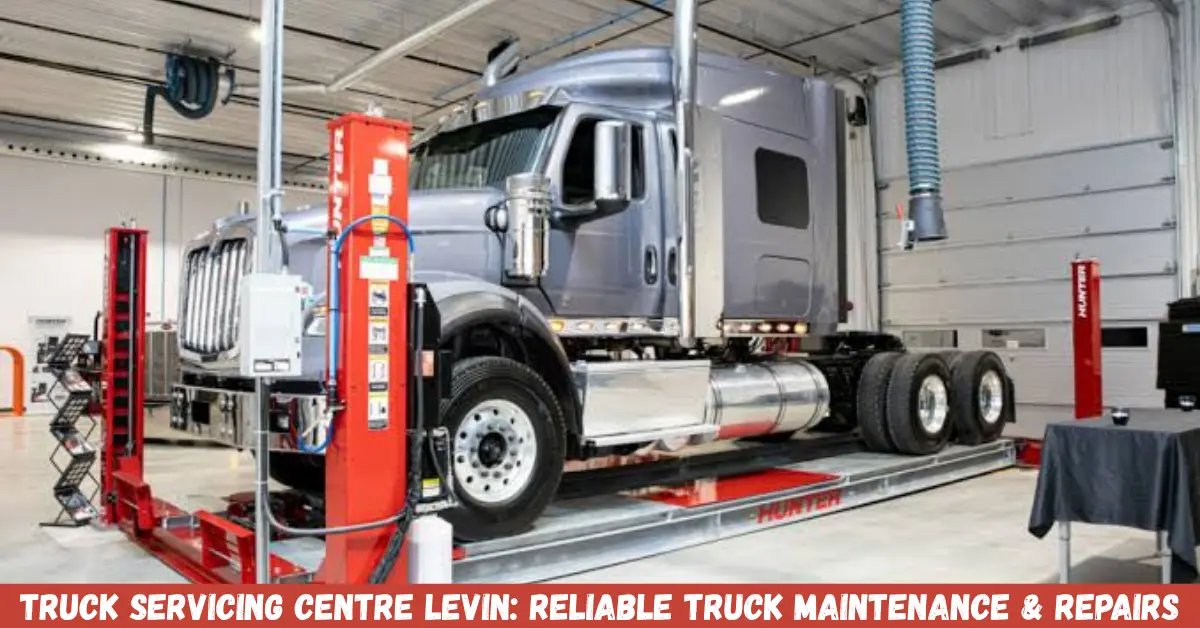
Truck servicing centre Levin is the right search for truck owners, fleet operators, and transport businesses looking for dependable maintenance and repair support in Levin. Regular servicing helps identify mechanical problems before they become expensive breakdowns and keeps important systems such as the engine, brakes, transmission, suspension, steering, and cooling system working properly.
For trucks that cover long distances or carry heavy loads, maintenance is particularly important. A small issue with a tyre, brake component, fluid level, cooling system, or engine can become a much larger problem if it is ignored.
A reliable truck servicing centre levin can help keep your truck in good condition. A truck servicing centre levin provides regular maintenance and repairs for commercial vehicles. Choosing the right truck servicing centre levin can help find problems early. A professional truck servicing centre levin can check brakes, engine, tyres, and other important parts. For dependable maintenance, a trusted truck servicing centre levin is a practical choice.
A reliable truck servicing centre levin can help keep your truck in good condition. A truck servicing centre levin provides regular maintenance and repairs for commercial vehicles. Choosing the right truck servicing centre levin can help find problems early. A professional truck servicing centre levin can check brakes, engine, tyres, and other important parts. For dependable maintenance, a trusted truck servicing centre levin is a practical choice.
A reliable truck servicing centre levin can help keep your truck in good condition. A truck servicing centre levin provides regular maintenance and repairs for commercial vehicles. Choosing the right truck servicing centre levin can help find problems early. A professional truck servicing centre levin can check brakes, engine, tyres, and other important parts. For dependable maintenance, a trusted truck servicing centre levin is a practical choice.
A reliable truck servicing centre levin can help keep your truck in good condition. A truck servicing centre levin provides regular maintenance and repairs for commercial vehicles. Choosing the right truck servicing centre levin can help find problems early. A professional truck servicing centre levin can check brakes, engine, tyres, and other important parts. For dependable maintenance, a trusted truck servicing centre levin is a practical choice.
A reliable truck servicing centre levin can help keep your truck in good condition. A truck servicing centre levin provides regular maintenance and repairs for commercial vehicles. Choosing the right truck servicing centre levin can help find problems early. A professional truck servicing centre levin can check brakes, engine, tyres, and other important parts. For dependable maintenance, a trusted truck servicing centre levin is a practical choice.
This guide explains what to look for in a truck servicing centre, what services a professional workshop should provide, when your truck needs servicing, how to prepare for a workshop visit, and common mistakes that can increase repair costs. It is also useful for businesses managing one truck or a larger commercial fleet.
What Is a Truck Servicing Centre?
A truck servicing centre is a workshop that provides scheduled maintenance, inspections, diagnostics, and mechanical repairs for commercial trucks and other heavy vehicles.
Unlike a basic vehicle workshop, a truck-focused service centre should understand the demands placed on heavy-duty vehicles. This includes higher loads, longer operating hours, larger braking systems, diesel engines, commercial transmissions, suspension components, and other heavy-vehicle systems.
A professional truck service may include:
- Engine servicing and diagnostics
- Oil and filter replacement
- Brake inspection and repairs
- Transmission servicing
- Cooling-system checks
- Suspension inspections
- Steering-system checks
- Battery and electrical diagnostics
- Exhaust and emissions-related checks
- Tyre and wheel inspections
- Preventive maintenance
- Fault diagnosis and repair
The exact services available depend on the workshop, truck type, manufacturer, and repair requirements.
Why Regular Truck Servicing Matters
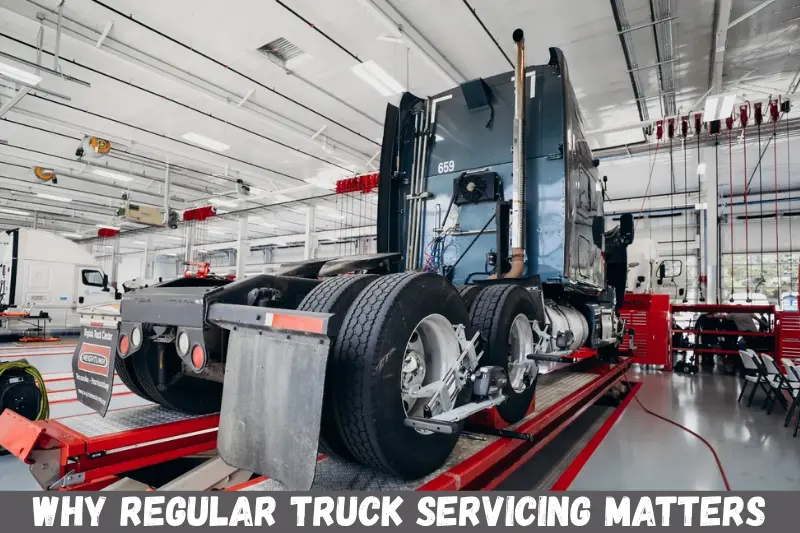
Regular truck servicing is important because commercial trucks often operate under demanding conditions. Preventive maintenance allows potential problems to be identified before they develop into major mechanical failures.
A well-maintained truck can also provide greater confidence for drivers and fleet managers because important components are checked systematically rather than only when something goes wrong.
Reducing Unexpected Breakdowns
Breakdowns can disrupt deliveries, schedules, drivers, and customers. A routine inspection can identify worn or damaged components before they cause an unexpected failure.
For example, a mechanic may identify a worn belt, leaking hose, deteriorating brake component, or fluid leak during routine maintenance. Addressing the problem early can be simpler than repairing the resulting breakdown.
Protecting Expensive Components
Truck engines, transmissions, differentials, turbochargers, and other heavy-duty components can be expensive to repair or replace.
Following an appropriate maintenance schedule helps protect these components by ensuring that fluids, filters, adjustments, and inspections are not unnecessarily neglected.
Supporting Vehicle Safety
Brakes, tyres, steering, suspension, lights, and other safety-related components require particular attention.
Servicing should not be treated simply as an engine oil change. A proper truck inspection should consider the vehicle as a complete mechanical system.
Services to Expect From a Truck Servicing Centre in Levin
When choosing a truck servicing centre Levin, look for a workshop capable of handling the specific type of truck and repair work you require.
Engine Servicing and Diagnostics
The engine is one of the most important systems in a truck. Servicing may include oil and filter replacement, visual inspections, fluid checks, fault-code diagnosis, and investigation of unusual engine behaviour.
Warning signs can include:
- Difficult starting
- Excessive smoke
- Loss of power
- Unusual engine noise
- Increased fuel consumption
- Warning lights
- Rough running
- Fluid leaks
Modern diesel trucks can also require electronic diagnostics to identify faults that are not immediately visible during a physical inspection.
Brake Inspection and Repairs
Truck braking systems require careful attention because heavy vehicles carry substantial loads.
A workshop may inspect brake components, air or hydraulic systems where applicable, hoses, lines, discs, drums, pads, shoes, and related components.
If the driver notices reduced braking performance, unusual noises, pulling, vibration, warning lights, or changes in pedal behaviour, the truck should be inspected promptly.
Transmission and Drivetrain Service
The transmission and drivetrain transfer engine power to the wheels. Problems in these systems can affect vehicle performance and may become expensive if ignored.
Servicing may include fluid inspection, leak checks, diagnostic testing, and inspection of related components.
Symptoms such as difficulty changing gears, unusual noises, slipping, vibration, or fluid leaks should not be ignored.
Cooling-System Maintenance
Diesel engines generate substantial heat, particularly when trucks are heavily loaded or operating for extended periods.
A cooling-system inspection can include checking coolant levels, hoses, radiator condition, connections, belts, and other relevant components.
Overheating should always be investigated because continued operation under excessive temperatures can result in serious engine damage.
Suspension and Steering Checks
Suspension and steering systems affect handling, stability, tyre wear, and driving comfort.
A truck servicing centre may inspect components such as suspension parts, steering linkages, bushes, shocks, and other relevant hardware depending on the vehicle design.
Uneven tyre wear, excessive bouncing, steering play, unusual noises, or poor handling can indicate a problem.
Electrical and Battery Diagnostics
Modern trucks depend heavily on electrical and electronic systems.
A workshop may diagnose:
- Battery condition
- Charging-system performance
- Starter problems
- Lighting faults
- Electrical connections
- Sensors
- Electronic warning systems
- Diagnostic fault codes
Electrical problems can sometimes appear as intermittent faults, making proper diagnostic testing especially useful.
How Often Should a Truck Be Serviced?
There is no single servicing interval that applies to every truck. The correct schedule depends on the manufacturer’s recommendations, vehicle age, engine, operating conditions, mileage or engine hours, load, and type of work.
For this reason, truck owners should follow the manufacturer’s maintenance schedule and consider the conditions under which the vehicle operates.
A truck used for demanding commercial work may require different maintenance attention from a vehicle that operates less frequently or under lighter conditions.
Follow the Manufacturer’s Maintenance Schedule
The owner’s manual and manufacturer maintenance documentation should be the starting point for service intervals.
Keep records of:
- Service dates
- Mileage or engine hours
- Oil and filter changes
- Repairs
- Parts replaced
- Diagnostic work
- Inspections
- Recurring faults
Good records help identify recurring problems and make future maintenance easier to manage.
How to Choose the Right Truck Servicing Centre in Levin
Choosing a workshop should involve more than selecting the first result you find online.
1. Check Whether They Service Your Truck Type
First, confirm that the workshop works with your truck’s make, model, engine, and configuration.
A workshop experienced with heavy commercial vehicles may be better equipped for specialised truck maintenance than a general passenger-car garage.
2. Ask About Diagnostic Equipment
Modern trucks can contain sophisticated electronic systems. Ask whether the workshop has suitable diagnostic equipment for your vehicle.
However, diagnostic equipment alone does not guarantee a good repair. The technician’s ability to interpret diagnostic information and inspect the underlying mechanical system is equally important.
3. Ask What Is Included in the Service
Before authorising work, ask what the service includes.
A clear service explanation should help you understand:
- What will be inspected
- Which filters or fluids may be replaced
- What diagnostic checks are included
- Whether additional repairs require approval
- How labour and parts are charged
4. Look for Clear Communication
A reliable workshop should explain identified problems in understandable language.
If additional repairs are required, you should ideally receive an explanation of the problem, the recommended repair, and the likely consequences of postponing necessary work.
5. Consider Fleet Support
For businesses operating multiple trucks, consistent maintenance records can be valuable.
A suitable truck workshop may be able to help fleet operators organise scheduled servicing, inspections, repairs, and maintenance records.
Truck Servicing vs Emergency Truck Repairs
Routine servicing and emergency repairs have different purposes.
| Routine Truck Servicing | Emergency Truck Repairs |
|---|---|
| Planned maintenance | Unplanned mechanical problem |
| Helps identify developing faults | Responds to an existing failure |
| Can be scheduled around operations | May immediately disrupt operations |
| Focuses on prevention | Focuses on restoring operation |
| Usually easier to plan for | Can involve urgent costs |
The best strategy is not to wait for every problem to become an emergency. Preventive maintenance should form part of a truck’s overall operating plan.
Signs Your Truck Needs Attention
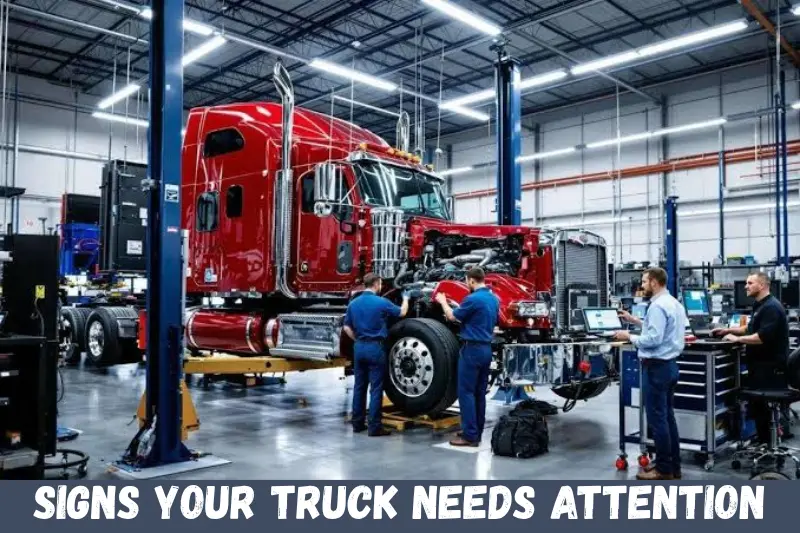
Drivers are often the first people to notice changes in truck performance. Reporting unusual symptoms early can help prevent further damage.
Contact a suitable truck mechanic when you notice:
- Engine warning lights
- Unusual smoke
- New or worsening engine noises
- Brake problems
- Steering changes
- Excessive vibration
- Gear-shifting difficulties
- Coolant or oil leaks
- Overheating
- Reduced engine performance
- Unusual tyre wear
- Electrical faults
- Increased fuel consumption
A warning sign does not automatically identify the exact cause. Proper inspection and diagnosis are needed before deciding what repair is required.
What Happens During a Professional Truck Service?
A typical service process can vary depending on the truck and the workshop, but it generally follows a structured approach.
Step 1: Initial Assessment
The technician discusses the truck’s symptoms, service history, operating conditions, and any concerns reported by the driver.
Step 2: Inspection and Diagnostics
The truck is inspected for visible problems and, where appropriate, electronic diagnostic equipment is used to identify fault information.
Step 3: Scheduled Maintenance
Required maintenance is performed according to the vehicle’s service requirements. This can include fluids, filters, inspections, adjustments, and other maintenance tasks.
Step 4: Repair Recommendations
If additional problems are discovered, the workshop should explain the issue and recommend appropriate repairs.
Step 5: Final Checks
After servicing or repairs, relevant systems should be checked to confirm that the work has been completed properly.
Step 6: Maintenance Records
The completed work should be recorded so the truck owner or fleet manager knows what was done and can plan future maintenance.
Common Truck Servicing Mistakes to Avoid
Truck owners can reduce unnecessary costs by avoiding several common maintenance mistakes.
Ignoring Warning Signs
A warning light, leak, unusual noise, or performance change should not automatically be dismissed as minor.
Small symptoms can sometimes indicate developing mechanical problems.
Delaying Preventive Maintenance
Waiting until a truck breaks down can create unnecessary downtime and potentially increase repair costs.
Choosing a Workshop Based Only on Price
The cheapest quote is not always the best option. Compare the scope of work, parts, labour, diagnostics, experience, and warranty or guarantee terms where applicable.
Failing to Keep Service Records
Without maintenance records, it becomes harder to determine what has already been replaced, when servicing was performed, and whether a recurring issue exists.
Using Incorrect Fluids or Parts
Trucks have specific technical requirements. Using unsuitable oil, coolant, filters, or replacement components can cause problems.
Always verify the manufacturer’s specifications and the vehicle’s requirements.
Practical Tips for Truck Owners and Fleet Managers
A few simple habits can make truck maintenance easier to manage.
- Keep a maintenance log for every vehicle.
- Follow the manufacturer’s service recommendations.
- Train drivers to report unusual symptoms early.
- Check tyres and visible fluid leaks regularly.
- Do not ignore dashboard warning lights.
- Use qualified technicians for specialist repairs.
- Keep records of recurring mechanical issues.
- Schedule servicing around planned vehicle downtime where possible.
- Confirm repair approvals before additional work begins.
- Ask for clarification when a recommended repair is unclear.
Internal link
Regular truck servicing in Levin can help identify maintenance issues early and keep commercial vehicles operating reliably. Owners should follow the recommended service schedule and arrange professional inspections when they notice unusual noises, warning lights, leaks, or performance changes.
For accurate maintenance requirements, truck owners should also refer to the manufacturer’s official maintenance information. Manufacturer recommendations can help determine suitable service intervals, fluids, parts, and inspection requirements for a specific truck.
Regular truck servicing in Levin is an important part of maintaining a commercial vehicle. Before scheduling major maintenance, owners can review their truck’s requirements and check the official manufacturer’s maintenance guidelines for recommended service intervals and specifications.
Frequently Asked Questions
What does a truck servicing centre in Levin do?
A truck servicing centre provides maintenance, inspection, diagnostics, and repair services for commercial trucks. Depending on the workshop, services can include engine maintenance, brake repairs, transmission work, electrical diagnostics, suspension inspections, cooling-system checks, and other heavy-vehicle repairs.
How often should a truck be serviced?
Truck servicing intervals depend on the manufacturer, vehicle type, mileage or engine hours, operating conditions, load, and age. The manufacturer’s maintenance schedule should be the primary reference. Trucks operating under demanding commercial conditions may also require closer monitoring of certain components.
Can a truck servicing centre diagnose engine warning lights?
Yes, a suitable truck workshop can use diagnostic equipment to retrieve electronic fault information from compatible vehicles. However, a diagnostic code does not always identify the complete mechanical problem. A qualified technician should interpret the code alongside physical inspection and other test results.
What should I check before choosing a truck mechanic?
Check whether the mechanic has experience with your truck type and ask about diagnostic equipment, available services, pricing, parts, repair approvals, and service records. Clear communication is also important because you should understand what has been found and why a particular repair is recommended.
Why is preventive truck maintenance important?
Preventive maintenance helps identify developing mechanical problems before they become major failures. It can support vehicle reliability, safety, and planned downtime. It does not eliminate the possibility of breakdowns, but regular inspections and servicing can reduce the likelihood of some avoidable maintenance-related problems.
Expert Tips for Better Truck Maintenance
For truck owners and fleet managers, the most useful approach is to treat servicing as an ongoing process rather than an occasional expense.
Start with the manufacturer’s maintenance schedule, then maintain accurate records and encourage drivers to report changes in vehicle behaviour immediately.
It is also useful to separate scheduled maintenance from condition-based repairs. Scheduled maintenance follows defined intervals, while condition-based work responds to symptoms, inspection results, diagnostic information, or component wear.
For larger fleets, maintenance records can help identify patterns. If several vehicles develop similar faults under similar operating conditions, the information can help fleet managers review maintenance practices, operating conditions, or component choices.
Most importantly, never allow a cost-saving decision to compromise safety-critical repairs. Brakes, steering, tyres, suspension, and other safety-related systems deserve prompt attention when a qualified inspection identifies a problem.
Conclusion
Finding the right truck servicing centre Levin can make truck maintenance easier, more predictable, and better organised. A reliable workshop should be capable of handling the requirements of commercial vehicles and should provide appropriate inspections, diagnostics, servicing, and repairs.
Truck owners should not wait for a major breakdown before thinking about maintenance. Following the manufacturer’s service recommendations, keeping accurate records, monitoring warning signs, and working with suitably experienced technicians can help maintain the vehicle over its operating life.
If your truck is due for scheduled maintenance or has started showing unusual symptoms, the practical next step is to arrange an inspection with a suitable truck servicing centre and explain the vehicle’s history and current concerns clearly.
