


Introduction
Roadside truck repair Levin services provide on-site mechanical assistance when a truck develops a problem away from a workshop. A breakdown can interrupt deliveries, leave a driver stranded, and create unexpected costs, so getting the right assistance quickly is important.
Roadside technicians can assess common problems such as battery failure, starting issues, electrical faults, overheating, brake concerns, and other mechanical problems. Depending on the fault, a technician may complete the repair at the roadside or determine that the truck needs to be safely transported to a suitable workshop.
This guide explains how roadside truck repair works, which problems can often be handled on-site, what to do during a breakdown, and how to choose a dependable heavy vehicle repair provider in Levin.
What Is Roadside Truck Repair?
Roadside truck repair levin means diagnosing and repairing a commercial truck at its current location rather than requiring the vehicle to reach a workshop first.
A roadside mechanic may provide:
- Emergency breakdown assistance
- Battery testing and replacement
- Starter motor diagnostics
- Alternator checks
- Electrical fault diagnosis
- Engine troubleshooting
- Brake inspections
- Cooling system checks
- Minor mechanical repairs
- Diagnostic scanning
- Assistance with vehicle recovery
The exact service available depends on the vehicle, location, fault, equipment, and safety conditions.
Why Roadside Truck Repair Is Important

A commercial truck that cannot operate can disrupt deliveries and business schedules. Professional roadside assistance provides a practical first response and helps determine the safest solution.
Faster Breakdown Assessment
A mobile technician can inspect the vehicle at its location instead of automatically arranging workshop transport. This can help identify whether the problem is relatively simple or requires specialist repairs.
Reduced Unnecessary Towing
Some problems can be resolved at the roadside. For example, a suitable technician may be able to address a battery or certain electrical problems without transporting the entire truck.
Improved Driver Safety
A breakdown can be particularly concerning when a truck is stopped near active traffic. Professional assistance can help assess the vehicle and determine the appropriate recovery process.
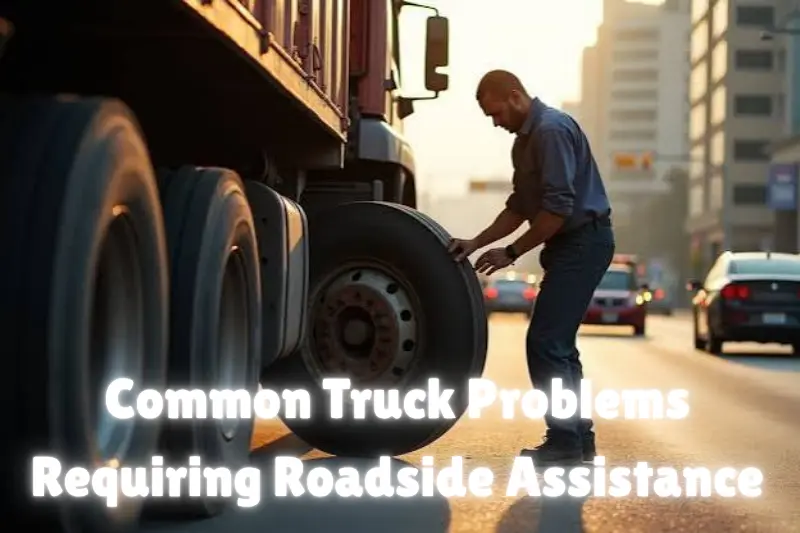
Common Truck Problems Requiring Roadside Assistance
Battery and Starting Problems
A weak battery, damaged terminals, charging-system fault, or starter problem can prevent a truck from starting. Technicians can test the relevant components and determine the likely cause.
Electrical Faults
Modern commercial vehicles contain numerous electronic systems. Warning lights, wiring problems, sensors, charging faults, and other electrical issues may require professional diagnostics.
Engine Problems
Loss of power, unusual engine behavior, overheating, or warning indicators can signal a mechanical problem. Continuing to drive without understanding the fault may increase the risk of further damage.
Brake Problems
Brake problems should be treated seriously. If braking performance appears abnormal, the truck should be assessed by a qualified professional before continuing its journey.
Cooling System Problems
Low coolant, damaged hoses, radiator issues, or other cooling-system faults can contribute to overheating. A technician can inspect the system and determine whether roadside repair is appropriate.
What to Do When Your Truck Breaks Down
If a truck breaks down, the priority should be driver and road-user safety.
1. Move to a Safe Location
If the vehicle can be moved safely, position it away from active traffic where possible. Follow applicable road-safety procedures.
2. Assess the Situation
Identify obvious symptoms without attempting repairs that could create additional hazards.
3. Contact Professional Assistance
Provide the technician with useful information, including the truck’s location, make and model, symptoms, warning lights, and whether the vehicle can move.
4. Follow Professional Instructions
The technician or recovery provider can advise whether the truck should remain stationary, receive roadside repairs, or be recovered to a workshop.
How to Choose Roadside Truck Repair Levin Services
Choosing a reliable provider can make a major difference during an emergency.
Check Heavy Vehicle Experience
Truck systems are different from ordinary passenger vehicles. Look for technicians experienced with commercial and heavy vehicles.
Ask About Mobile Equipment
A properly equipped roadside service can diagnose and address a broader range of problems without immediately requiring workshop transportation.
Consider Response Coverage
Ask whether the provider covers your location and the types of roads or areas where your trucks normally operate.
Confirm Communication
A dependable provider should clearly explain the expected response, available services, and whether additional recovery will be required.
Roadside Repair vs Workshop Repair
| Feature | Roadside Truck Repair | Workshop Repair |
|---|---|---|
| On-site assistance | Yes | No |
| Emergency breakdown response | Suitable | Usually limited |
| Minor repairs | Often possible | Yes |
| Diagnostics | Often available | Yes |
| Major engine rebuilding | Usually unsuitable | More suitable |
| Major transmission work | Usually unsuitable | More suitable |
Roadside repair is particularly useful for emergencies and faults that can be safely addressed at the vehicle’s location. Complex repairs may still require workshop facilities.
Preventive Maintenance Can Reduce Breakdowns
Regular maintenance is one of the most practical ways to reduce unexpected truck problems.
Fleet operators should maintain appropriate inspection and servicing schedules for:
- Engine oil and filters
- Batteries and charging systems
- Brakes
- Tires
- Cooling systems
- Belts and hoses
- Electrical components
- Steering and suspension
- Transmission systems
Maintenance intervals should follow the vehicle manufacturer’s recommendations and the operating conditions of the truck.
Common Mistakes to Avoid
Ignoring Warning Signs
Warning lights, unusual noises, fluid leaks, and reduced performance should not be ignored.
Continuing to Drive After a Serious Fault
Trying to reach the destination despite a significant mechanical problem can potentially worsen the issue or create a safety risk.
Attempting Unsafe Repairs
Drivers should avoid repairs that require specialist knowledge, heavy equipment, or working in an unsafe roadside environment.
Choosing a Provider Only on Price
During a breakdown, the cheapest option may not provide the equipment or heavy vehicle expertise required. Reliability, experience, availability, and service coverage are also important.
For more information about commercial vehicle maintenance, explore our Truck Mechanic Woonona guide covering truck servicing, diagnostics, and preventive maintenance.
For official road safety and heavy vehicle information in New Zealand, visit Waka Kotahi NZ Transport Agency.
Frequently Asked Questions
What does roadside truck repair Levin include?
Roadside truck repair can include emergency diagnostics, battery assistance, electrical troubleshooting, starting-system repairs, cooling-system checks, brake assessment, and selected mechanical repairs. The exact service depends on the truck, fault, location, equipment available, and whether the repair can be completed safely at the roadside.
Can a truck be repaired at the roadside?
Many smaller or moderate faults can potentially be repaired at the vehicle’s location. However, major engine, transmission, chassis, or other complex repairs may require specialist workshop equipment. A qualified technician should assess the vehicle before determining whether roadside repair or recovery is appropriate.
What information should I provide when calling a roadside truck mechanic?
Provide the truck’s exact location, registration or vehicle details where appropriate, make and model, symptoms, warning lights, and whether the engine starts or the vehicle can move. Clear information can help the provider understand what equipment and technician may be required.
How can truck operators prevent roadside breakdowns?
Regular servicing, inspections, battery checks, tire maintenance, brake inspections, fluid checks, and attention to warning signs can help identify problems before they become breakdowns. Following the manufacturer’s maintenance recommendations and keeping appropriate records can also support better fleet management.
When should a truck be towed instead of repaired roadside?
Recovery may be more appropriate when the truck has major engine or transmission damage, significant brake or steering problems, serious overheating, accident damage, or another fault that makes roadside repair unsafe. A qualified technician or recovery provider can assess the situation and recommend the safest option.
Conclusion
Reliable roadside truck repair Levin services can provide valuable assistance when a commercial vehicle develops a problem away from a workshop. From battery and electrical faults to starting problems, diagnostics, cooling issues, and selected mechanical repairs, mobile technicians can help determine the fastest safe solution.
Truck operators should keep their vehicles properly maintained, respond quickly to warning signs, and choose a roadside provider with appropriate heavy vehicle experience and equipment. The practical next step is to identify a reliable roadside repair provider before an emergency occurs and keep its contact details accessible to drivers.
