

Introduction
Mobile hydraulic repairs Levin provide a practical way to diagnose, repair, and maintain hydraulic equipment without always needing to transport the entire machine to a workshop. On-site hydraulic support can be useful when a hose bursts, a cylinder stops working, a pump loses pressure, or hydraulic equipment develops a leak during normal operations.
This guide explains what Mobile hydraulic repairs Levin involve, which hydraulic problems commonly require professional attention, how on-site repairs work, and why preventative maintenance matters. It also covers practical safety considerations, repair limitations, common mistakes, and what to look for when selecting a hydraulic repair provider in Levin.
What Are Mobile Hydraulic Repairs Levin?
Mobile hydraulic repairs Levin are repair and maintenance services performed at the location where hydraulic equipment is being used. Instead of taking a machine to a fixed workshop, a mobile technician travels to the customer with suitable tools, testing equipment, replacement components, and repair supplies.
Hydraulic systems are commonly found in excavators, loaders, tractors, forklifts, agricultural machinery, trucks, trailers, construction equipment, industrial machines, and other heavy-duty applications.
A mobile technician may inspect components such as hydraulic hoses, fittings, cylinders, pumps, valves, reservoirs, filters, motors, and pressure-control equipment.
When Do You Need Mobile Hydraulic Repairs Levin?
Mobile repairs can be particularly useful when equipment cannot be moved safely or economically.
You may need on-site assistance when:
- A hydraulic hose suddenly bursts.
- Hydraulic oil is leaking from a connection.
- A hydraulic cylinder becomes slow or stops moving.
- A machine loses hydraulic pressure.
- A pump produces unusual noise.
- A hydraulic motor performs poorly.
- A valve becomes stuck or unreliable.
- Equipment operates intermittently.
- Hydraulic components become excessively hot.
- A machine stops working at a job site.
The exact repair depends on the fault, equipment design, component condition, and availability of replacement parts.
Common Hydraulic Problems in Levin
Hydraulic faults can range from a simple damaged hose to a more complex pump, valve, or control problem. Correct diagnosis is important because replacing the wrong component can increase downtime and repair costs.
Hydraulic Hose Damage
Hoses are exposed to pressure, movement, heat, vibration, abrasion, and environmental conditions. Over time, these factors can cause cracking, abrasion, bulging, leakage, or complete hose failure.
A damaged hose should not simply be wrapped or temporarily patched and returned to normal high-pressure operation. The appropriate replacement hose should match the system requirements and connection specifications.
Hydraulic Oil Leaks
Hydraulic leaks can develop around hoses, fittings, seals, cylinders, pumps, valves, and other connections.
A leak may begin as a small seep but can become more serious if the underlying problem is ignored. Low fluid levels can also affect system performance and may contribute to overheating or component damage.
Hydraulic oil under pressure can create a serious injection hazard. WorkSafe New Zealand warns that pressurised hydraulic fluid can penetrate the skin, and recommends appropriate maintenance, PPE, and safe procedures when dealing with hydraulic equipment.
Hydraulic Cylinder Problems
Hydraulic cylinders convert fluid pressure into linear movement. Problems may include:
- Slow extension or retraction
- External oil leakage
- Damaged seals
- Bent rods
- Corrosion
- Uneven movement
- Loss of holding force
A technician may need to inspect the cylinder, seals, rod, mounting points, hydraulic lines, and operating pressure before deciding whether repair or replacement is appropriate.
Low Hydraulic Pressure
Low pressure can affect the performance of an entire machine. However, low pressure does not automatically mean the hydraulic pump has failed.
Potential causes can include:
- Worn pump components
- Incorrect fluid level
- Restricted filters
- Damaged hoses
- Faulty valves
- Internal leakage
- Incorrect pressure settings
- Contaminated hydraulic fluid
Proper testing helps identify the actual cause rather than replacing expensive components unnecessarily.
How Mobile Hydraulic Repairs Levin Work
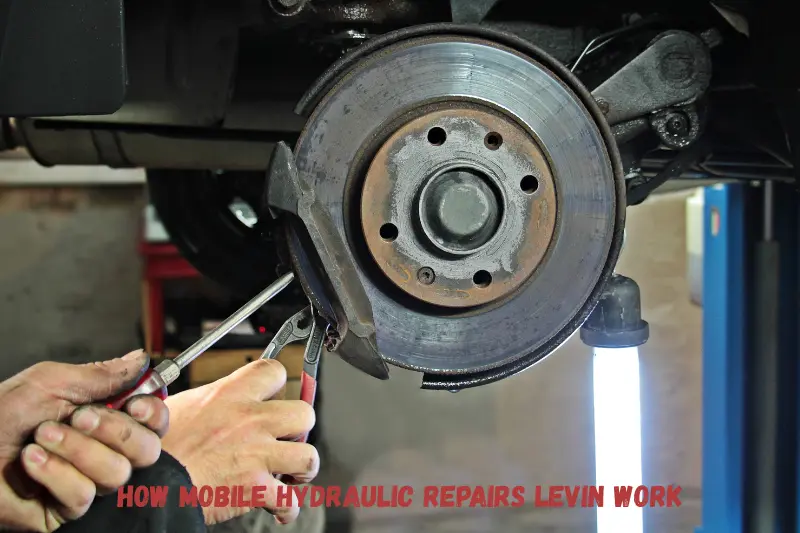
A professional on-site repair normally begins with diagnosis rather than immediately replacing parts.
1. Describe the Problem
The technician first needs information about the equipment and symptoms. Useful details include the machine type, model, affected function, warning signs, recent repairs, and when the problem started.
Clear information can help the technician prepare suitable tools and replacement components before arriving.
2. Inspect the Hydraulic System
The technician examines visible hoses, fittings, cylinders, pumps, valves, reservoirs, and other accessible components.
The inspection may also consider oil condition, leakage patterns, unusual sounds, temperature, and machine behaviour.
3. Test the System
Depending on the equipment, hydraulic pressure and flow may be checked using suitable diagnostic equipment.
Testing helps determine whether the problem is related to pressure, flow, leakage, restriction, component wear, or another system issue.
4. Repair or Replace the Faulty Component
Once the problem has been identified, the technician can determine the appropriate repair.
This may involve replacing a hydraulic hose, repairing a cylinder, replacing seals, changing filters, correcting fittings, repairing a valve, or addressing another confirmed fault.
5. Test the Equipment Again
After repair, the system should be checked to confirm that the affected function operates correctly and that there are no obvious leaks or abnormal conditions.
The final testing procedure should follow the equipment manufacturer’s requirements and the technician’s safe working procedures.
Benefits of Mobile Hydraulic Repairs Levin
The main advantage of mobile service is convenience. Hydraulic equipment can be large, heavy, or difficult to transport, making on-site repairs a practical alternative in many situations.
Reduced Equipment Transport
If a machine is immobilised because of a hydraulic failure, transporting it to a workshop may require additional equipment and expense.
An on-site technician can assess whether the fault can be repaired where the machine is located.
Potentially Less Downtime
A suitable Mobile hydraulic repairs Levin service may help businesses respond to breakdowns without waiting for equipment transportation.
However, downtime depends on the severity of the fault, parts availability, technician availability, and whether specialist workshop equipment is required.
Convenient for Remote or Busy Worksites
Mobile hydraulic repairs Levin support can be useful for agricultural properties, construction sites, commercial yards, workshops, transport operations, and other locations where equipment needs to remain operational.
Practical Emergency Support
A sudden hose failure or hydraulic leak can interrupt normal work. Mobile assistance can provide a way to investigate the problem at the equipment’s location.
Preventative Maintenance
Mobile hydraulic repairs Levin services are not limited to emergency breakdowns. Some hydraulic maintenance tasks can also be performed on-site, helping operators identify worn components before they become larger problems.
Mobile Repairs vs Workshop Hydraulic Repairs
Both Mobile hydraulic repairs Levin and workshop services have their place. The better option depends on the type and complexity of the hydraulic problem.
| Factor | Mobile Hydraulic Repairs | Workshop Repairs |
|---|---|---|
| Location | Equipment site | Repair facility |
| Equipment transport | Often unnecessary | Usually required |
| Emergency breakdowns | Highly practical | May require transport first |
| Basic hose repairs | Often suitable | Suitable |
| Basic diagnostics | Often suitable | Suitable |
| Major component rebuilding | May be limited | Usually better suited |
| Specialised machinery | Depends on technician | More equipment may be available |
| Large machine repairs | Convenient on-site | Can require difficult transport |
A good provider should explain when an on-site repair is suitable and when the equipment or component needs to go to a specialised workshop.
Hydraulic Maintenance Tips
Regular maintenance can help reduce unexpected hydraulic problems. The exact maintenance schedule should always follow the equipment manufacturer’s instructions.
Check for Visible Leaks
Inspect hoses, fittings, cylinders, and accessible hydraulic components for signs of leakage. Do not use your hands to search for a pressurised hydraulic leak.
Monitor Hydraulic Fluid
Check fluid levels and condition according to the manufacturer’s recommended procedure. Incorrect or contaminated fluid can affect system performance.
Inspect Hydraulic Hoses
Look for abrasion, cracking, bulging, damaged covers, loose fittings, and other visible signs of deterioration.
A hose showing significant damage should be assessed by a competent person rather than being left in service until it fails.
Keep the System Clean
Hydraulic systems rely on clean fluid and properly maintained components. Dirt and contamination can damage sensitive hydraulic parts and affect system reliability.
Follow Manufacturer Specifications
Use the correct hydraulic fluid, filters, hoses, fittings, pressure ratings, and replacement components recommended or approved for the equipment.
WorkSafe New Zealand has highlighted the importance of ensuring pressure ratings and components are compatible and that equipment is inspected and maintained appropriately.
Safety Considerations for Hydraulic Repairs
Hydraulic systems can store significant energy, so repair work should not be treated like ordinary mechanical maintenance.
Before maintenance, appropriate isolation and lockout procedures should be followed. WorkSafe New Zealand states that machinery should be safely and effectively locked out before servicing when reasonably practicable and where there is potential for harm.
Important precautions include:
- Shut down equipment before maintenance.
- Isolate relevant power sources.
- Relieve stored hydraulic pressure using the correct procedure.
- Support raised or suspended components properly.
- Wear appropriate personal protective equipment.
- Never use your hands to search for hydraulic leaks.
- Follow the equipment manufacturer’s instructions.
- Use components with suitable pressure ratings.
- Keep untrained people away from repair areas.
- Test repaired equipment safely before returning it to normal operation.
A hydraulic leak can appear small while still presenting a serious high-pressure hazard. If the fault involves stored pressure, lifting equipment, or complex machinery, professional assistance is the safer option.
What to Look for in a Mobile Hydraulic Repairs Levin Provider

Choosing a repair provider should involve more than searching for the lowest price. The provider should have the skills, equipment, and experience appropriate to the hydraulic system involved.
Technical Experience
Ask whether the technician regularly works with the type of hydraulic equipment you operate.
Experience with agricultural machinery may differ from experience with industrial hydraulic systems, construction machinery, trucks, or specialised equipment.
Diagnostic Capability
A good repair process should focus on finding the cause of a fault rather than simply replacing visible components.
Ask what diagnostic equipment is available and whether pressure or flow testing can be performed when required.
Replacement Parts
Find out whether the provider can supply suitable hoses, fittings, seals, filters, and other components.
Using an incorrect component can create reliability or safety problems, particularly in high-pressure systems.
Clear Communication
A professional provider should explain the identified fault, recommended repair, expected work, and any limitations before proceeding where practical.
Clear communication can help prevent misunderstandings about repair scope and costs.
Common Mistakes to Avoid
Hydraulic problems can become more expensive when basic warning signs are ignored.
Ignoring Small Leaks
A small leak should not automatically be considered harmless. It may indicate deteriorating seals, damaged hoses, loose fittings, or another underlying issue.
Continuing to Operate Faulty Equipment
Continuing to use equipment with unusual movement, pressure loss, excessive heat, or significant leakage can potentially increase component damage.
Using the Wrong Hydraulic Fluid
Different systems may require specific fluid types and specifications. Always follow the equipment manufacturer’s recommendations.
Installing Incompatible Components
Hydraulic components must be suitable for the system’s pressure, flow, connections, temperature, and application.
Attempting High-Pressure Repairs Without Proper Training
Hydraulic systems can contain stored energy even after machinery has stopped. Improvised repairs can expose workers and equipment to unnecessary risks.
When Is a Mobile Repair Not Enough?
Mobile hydraulic repairs Levin are convenient, but they are not the right solution for every problem.
A workshop repair may be more appropriate when a component requires extensive rebuilding, specialised machining, internal inspection, advanced testing, or equipment that cannot reasonably be carried to the worksite.
For example, a severely damaged hydraulic cylinder may need to be removed and rebuilt in a properly equipped workshop.
A professional technician should be able to explain whether the repair can safely and effectively be completed on-site or whether further workshop work is necessary.
How to Prepare for a Hydraulic Repair Call
You can make the repair process more efficient by providing useful information before the technician arrives.
Prepare:
- The equipment make and model.
- A description of the hydraulic problem.
- The location of the machine.
- Photos of visible leaks or damaged components, if safe to take.
- Information about recent repairs or maintenance.
- The type of hydraulic function that has stopped working.
- Any warning lights, unusual sounds, or performance changes.
Do not attempt to dismantle a pressurised system simply to make diagnosis easier. Leave potentially hazardous components for a competent technician.
For more information about related hydraulic and heavy equipment services, explore our hydraulic hose repairs, mobile hydraulic servicing, and heavy equipment repair services. These resources can help you understand common hydraulic problems, maintenance requirements, and practical repair solutions.
For reliable information about hydraulic machinery safety and maintenance, refer to WorkSafe New Zealand. Its guidance provides useful information about machinery isolation, maintenance, and reducing risks during repair work.
Frequently Asked Questions
What are Mobile hydraulic repairs Levin?
Mobile hydraulic repairs Levin are hydraulic maintenance and repair services performed at the customer’s location rather than requiring the entire machine to be transported to a workshop. Depending on the fault, a Mobile hydraulic repairs Levin technician may repair hoses, fittings, cylinders, valves, and other hydraulic components on-site.
What hydraulic problems can be repaired on-site?
Many common problems can potentially be handled on-site, including damaged hydraulic hoses, leaking fittings, certain cylinder issues, filter problems, and some pressure or flow faults. The exact repair depends on the equipment, component condition, available tools, and whether specialised workshop equipment is required.
How often should hydraulic systems be serviced?
Hydraulic equipment should be inspected and serviced according to the manufacturer’s recommended maintenance schedule and operating conditions. Heavy use, contamination, heat, vibration, and demanding environments may increase maintenance requirements. Regular inspections can help identify leaks, hose damage, contamination, and other developing problems.
Are hydraulic leaks dangerous?
Yes. Hydraulic systems can operate at high pressure, and escaping fluid can cause serious injection injuries if it penetrates the skin. Never use your hands to locate a suspected pressurised leak. Shut down and isolate the equipment safely, and obtain assistance from a competent technician when necessary.
Is Mobile hydraulic repairs Levin better than taking equipment to a workshop?
Neither option is always better. Mobile hydraulic repairs Levin is useful when equipment is difficult to transport or needs on-site assistance, while a workshop may be more suitable for major component rebuilding, machining, specialised testing, or complex repairs. The best option depends on the fault and equipment requirements.
Conclusion
Mobile hydraulic repairs Levin offer a practical solution for businesses, operators, and equipment owners dealing with hydraulic faults at their workplace or job site. On-site support can be especially useful for hose failures, hydraulic leaks, pressure problems, cylinder faults, and other issues that make equipment difficult to move.
The most important step is accurate diagnosis. A suitable technician should inspect the system, identify the underlying problem, use compatible replacement components, and test the equipment appropriately after repair.
For ongoing reliability, do not wait for a major breakdown. Follow the manufacturer’s maintenance schedule, inspect hydraulic hoses and connections regularly, monitor fluid condition, and address unusual performance early. If a hydraulic system develops a serious leak or pressure-related fault, arrange an assessment from a competent professional rather than attempting an unsafe repair.
