

Introduction
Fleet repairs Levin help businesses keep their commercial vehicles reliable, operational, and ready for daily work. Trucks and fleet vehicles often operate for long hours, carry heavy loads, and travel significant distances, which can place considerable demands on mechanical and electrical systems.
Professional fleet repairs Levin can cover engine problems, brakes, transmissions, clutches, suspension, electrical systems, steering, tyres, and other vehicle components. Timely repairs can help businesses identify problems early, manage vehicle downtime, and maintain a more dependable fleet.
What Are Fleet Repairs?
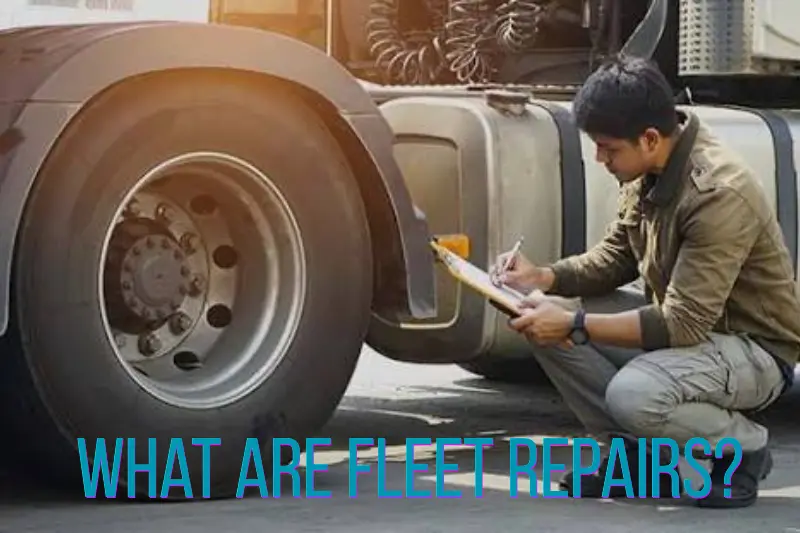
Fleet repairs involve diagnosing, repairing, and replacing damaged or worn components across commercial vehicles operated by a business.
Common fleet repair services include:
- Engine repairs
- Brake repairs
- Transmission repairs
- Clutch repairs
- Electrical diagnostics
- Suspension repairs
- Steering repairs
- Cooling-system repairs
- Battery and charging-system repairs
- General mechanical repairs
The exact repair required depends on the vehicle’s condition, manufacturer specifications, mileage, operating environment, and fault symptoms.
Why Are Fleet Repairs Important?
Regular fleet repairs Levin can help businesses address mechanical and electrical problems before they create more serious operational issues. A truck with a developing fault may become unreliable if the problem is ignored.
Professional repairs can help businesses:
- Reduce unexpected vehicle downtime
- Restore normal vehicle performance
- Identify underlying faults
- Maintain vehicle reliability
- Plan repairs more effectively
- Monitor recurring problems
A proactive approach is generally more practical than waiting until a vehicle becomes completely unusable.
Common Fleet Repair Problems

Engine Problems
Engine issues can include difficult starting, overheating, unusual noises, fluid leaks, reduced performance, or warning lights. Proper diagnostics can help identify whether the problem involves the engine or another related system.
Brake Problems
Commercial vehicles rely heavily on their braking systems. Changes in braking performance, unusual sounds, warning indicators, or visible component problems should be professionally assessed.
Transmission Problems
Difficulty changing gears, unusual noises, fluid leaks, delayed engagement, or unexpected shifting can indicate a transmission-related issue.
Clutch Problems
A worn or damaged clutch may cause slipping, difficulty engaging gears, changes in pedal feel, or unusual noises during operation.
Electrical Problems
Modern fleet vehicles contain numerous electrical and electronic systems. Battery problems, charging faults, wiring issues, sensor faults, and warning lights may require professional diagnostics.
Suspension Problems
Worn shock absorbers, springs, bushes, mounts, or air suspension components can affect vehicle performance and should be inspected when unusual movement or noise develops.
Signs Your Fleet Vehicle Needs Repairs
Businesses should arrange professional inspection when a fleet vehicle develops:
- Unusual engine noises
- Difficulty starting
- Warning lights
- Brake performance changes
- Gear-shifting problems
- Fluid leaks
- Electrical faults
- Suspension noises
- Excessive vibration
- Unusual tyre wear
- Reduced performance
Not every symptom identifies a specific failed component. Proper diagnosis should be completed before major repairs are approved.
How Fleet Repairs Work
1. Initial Inspection
A technician reviews the vehicle’s symptoms and checks relevant mechanical and electrical systems.
2. Diagnostic Testing
Depending on the problem, diagnostic equipment may be used to identify electronic faults and stored error information.
3. Component Inspection
Relevant components are inspected for wear, damage, leakage, or other abnormalities.
4. Repair Recommendation
The technician identifies the likely cause and explains the recommended repair or replacement.
5. Final Testing
After repairs, the vehicle should be checked to confirm that the repaired system is operating appropriately.
Benefits of Professional Fleet Repairs Levin
Professional fleet repairs Levin can offer several practical benefits to businesses.
Reduced Downtime
Timely diagnosis and repairs can help prevent vehicle problems from causing prolonged operational interruptions.
Better Fleet Reliability
Maintaining important mechanical and electrical systems can support dependable vehicle performance.
Early Problem Detection
Regular inspections can reveal developing faults before they become more disruptive.
Improved Maintenance Planning
Detailed repair records can help fleet managers understand vehicle condition and plan future maintenance.
Preventive Fleet Repairs and Maintenance
Repairs are only one part of effective fleet management. Preventive maintenance can help identify problems before they become major failures.
A practical maintenance plan should include:
- Follow manufacturer service recommendations.
- Track vehicle mileage and service dates.
- Record every repair and replacement.
- Monitor recurring vehicle problems.
- Respond to warning lights promptly.
- Inspect vehicles when drivers report unusual symptoms.
- Schedule necessary repairs before problems become severe.
Common Fleet Repair Mistakes
Waiting Until a Breakdown
Only repairing a vehicle after it stops working can lead to unexpected downtime and potentially more complicated repairs.
Ignoring Small Warning Signs
Unusual noises, vibration, warning lights, or fluid leaks should not automatically be treated as minor issues.
Replacing Parts Without Diagnosis
A symptom does not always identify the failed component. Proper testing can help prevent unnecessary part replacement.
Using Incorrect Components
Replacement parts should be suitable for the specific vehicle and meet appropriate manufacturer requirements.
Poor Repair Records
Without accurate records, fleet managers may struggle to identify recurring faults or upcoming maintenance requirements.
How to Choose a Fleet Repair Service in Levin
When choosing a provider for fleet repairs Levin, businesses should consider experience with commercial vehicles and the specific types of trucks in their fleet.
Look for a service provider that offers:
- Commercial vehicle experience
- Mechanical diagnostics
- Preventive maintenance
- Brake repairs
- Engine repairs
- Transmission and clutch services
- Electrical diagnostics
- Suspension inspections
- Clear repair explanations
- Proper service records
It is also useful to ask how the provider handles urgent repairs and scheduled fleet maintenance.
Fleet Repairs vs Preventive Maintenance
| Fleet Repairs | Preventive Maintenance |
|---|---|
| Addresses existing problems | Focuses on preventing problems |
| Often follows a fault or symptom | Follows a planned schedule |
| Can involve component replacement | Includes inspections and servicing |
| May require urgent attention | Usually planned in advance |
| Restores affected systems | Helps maintain vehicle condition |
Both approaches are important. Preventive maintenance cannot eliminate every fault, so professional repairs are still necessary when problems develop.
For professional fleet servicing and scheduled vehicle care, read our Fleet Servicing Levin guide for useful maintenance information.
For official vehicle safety and transport information in New Zealand, visit Waka Kotahi NZ Transport Agency.
Frequently Asked Questions
What does fleet repairs Levin include?
Fleet repairs can include engine, brake, transmission, clutch, electrical, suspension, steering, cooling-system, and other mechanical repairs. The exact service depends on the vehicle and the fault identified during inspection. Professional diagnosis is recommended before replacing major components.
How can fleet repairs reduce downtime?
Prompt diagnosis can help identify the cause of a vehicle problem and allow the necessary repair to be planned. Addressing faults early may prevent them from becoming more disruptive. For businesses operating several vehicles, organized repair scheduling can also help manage fleet availability.
When should a fleet vehicle be repaired?
A vehicle should be inspected when it develops warning lights, unusual noises, fluid leaks, braking changes, gear-shifting problems, electrical faults, vibration, or reduced performance. Repairs should also follow manufacturer maintenance requirements and any applicable vehicle inspection obligations.
Can one mechanic handle an entire fleet?
This depends on the mechanic’s capabilities, equipment, experience, and the types of vehicles in the fleet. Businesses should confirm that the provider can service their particular commercial vehicles and handle the mechanical, electrical, diagnostic, and maintenance requirements they regularly need.
Why are professional fleet repairs important?
Professional repairs can help identify the actual cause of a vehicle problem instead of simply replacing parts based on symptoms. Proper inspection and repair can support reliable vehicle operation, help manage downtime, and provide fleet operators with clearer information about future maintenance requirements.
Conclusion
Reliable fleet repairs Levin are an important part of keeping commercial vehicles operational and dependable. From engine and brake problems to transmission, clutch, electrical, and suspension faults, timely professional attention can help businesses manage vehicle issues more effectively.
Fleet operators should combine preventive maintenance with prompt repairs, accurate service records, and regular inspections. If a vehicle develops unusual symptoms or warning indicators, arrange a professional inspection rather than waiting for a major breakdown.
