

Introducion
Diesel servicing Levin is essential for keeping trucks, vans, utes, and other diesel-powered vehicles reliable, efficient, and safe on the road. Regular servicing helps identify developing problems before they become expensive breakdowns and keeps important engine, fuel, cooling, braking, and drivetrain components operating correctly.
For truck owners, fleet operators, and commercial drivers in Levin, understanding what a proper diesel service includes can make vehicle maintenance much easier. This guide explains diesel servicing in Levin, what is checked during a service, when your truck needs attention, the benefits of regular maintenance, common warning signs, and how to choose the right diesel service provider.
Whether you operate a single work truck or manage several commercial vehicles, preventative maintenance can help reduce unexpected downtime and support dependable day-to-day operation.
What Is Diesel Servicing?
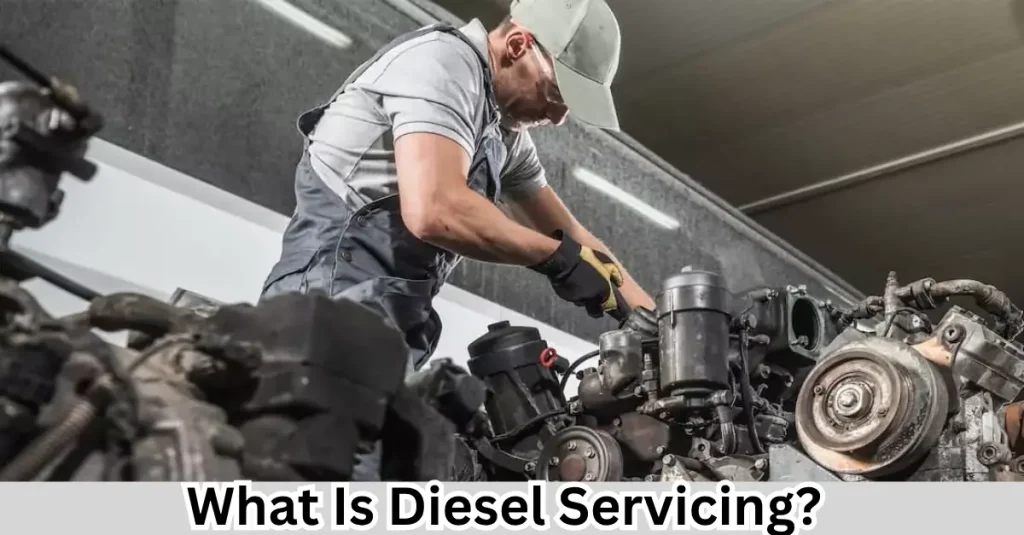
Diesel servicing is a scheduled inspection and maintenance process designed specifically for diesel-powered vehicles. It involves checking, testing, cleaning, adjusting, replacing, or servicing components according to the vehicle manufacturer’s requirements and the vehicle’s operating conditions.
A diesel service can include:
- Engine oil and filter replacement
- Fuel system inspection
- Air filter inspection or replacement
- Cooling system checks
- Battery and charging system checks
- Brake inspection
- Transmission and drivetrain checks
- Suspension and steering inspections
- Diagnostic scanning
- Fluid-level checks
- Inspection for leaks and unusual wear
The exact service requirements depend on the truck’s age, engine, mileage, workload, manufacturer recommendations, and operating environment.
For commercial trucks, servicing should not be treated as simply changing engine oil. A proper inspection looks at the vehicle as a complete working system.
Why Is Diesel Servicing in Levin Important for Trucks?
Regular diesel servicing in Levin helps commercial vehicles remain dependable and reduces the risk of avoidable mechanical problems.
Trucks often operate under heavier loads and for longer periods than ordinary passenger vehicles. This places additional demands on engines, transmissions, brakes, cooling systems, tyres, suspension components, and other parts.
A scheduled service provides an opportunity to identify problems while they are still manageable.
1. Helps Prevent Unexpected Breakdowns
A small problem can develop into a major mechanical failure when it is ignored.
For example, a leaking hose may initially cause only a small loss of coolant. If the problem is not detected, continued operation could contribute to overheating and potentially serious engine damage.
Routine inspections can identify issues before they become larger problems.
2. Supports Engine Performance
Diesel engines depend on correct lubrication, clean air, proper fuel delivery, and effective cooling.
Dirty filters, contaminated fluids, worn components, or fuel-system problems can affect how an engine performs.
Regular servicing helps keep these systems in suitable working condition.
3. Helps Reduce Vehicle Downtime
For a commercial operator, a truck sitting in a workshop means it cannot perform its normal job.
Preventative maintenance can help identify developing faults before they result in an unexpected roadside breakdown.
That does not guarantee that a vehicle will never fail, but it can reduce avoidable maintenance-related downtime.
4. Supports Safety
Truck safety depends on much more than the engine.
During servicing, technicians can inspect components such as:
- Brakes
- Steering
- Suspension
- Tyres
- Lights
- Wheel components
- Fluid systems
Identifying worn or damaged components early can help keep the vehicle safer to operate.
What Does a Diesel Service Include?
The exact checklist varies between vehicles, but a professional diesel servicing Levin appointment may cover several important areas.
Engine Oil and Filter
Engine oil lubricates internal engine components and helps manage friction and heat.
During a routine service, the technician may replace the engine oil and oil filter according to the vehicle’s specified requirements.
Using the correct oil specification is important because diesel engines can have different lubrication requirements depending on their design and emissions system.
Fuel System
The fuel system is critical to diesel engine operation.
A technician may inspect:
- Fuel filters
- Fuel lines
- Fuel connections
- Injectors
- Fuel pressure
- Signs of contamination or leakage
Fuel-system problems can contribute to hard starting, poor performance, rough running, excessive smoke, or reduced engine efficiency.
Air Intake and Filters
Diesel engines need a consistent supply of clean air.
A restricted air filter can affect engine performance and may contribute to increased fuel consumption or reduced responsiveness.
The air intake system should therefore be inspected as part of appropriate servicing.
Cooling System
The cooling system helps prevent excessive engine temperatures.
A service may include checking:
- Coolant level
- Coolant condition
- Radiator
- Hoses
- Clamps
- Cooling-system leaks
- Thermostat-related concerns
If a truck shows signs of overheating, it should be inspected promptly rather than continuing to operate it under heavy load.
Battery and Charging System
Starting a diesel engine requires a healthy electrical system.
A technician can inspect the battery, terminals, charging system, and related electrical components.
Weak batteries can result in slow cranking or starting difficulties, particularly when the vehicle is heavily used.
Brakes, Steering and Suspension
These components are particularly important for commercial vehicles.
A service inspection may look for:
- Brake wear
- Hydraulic or air-system concerns
- Damaged suspension components
- Steering play
- Worn bushes
- Damaged mounts
- Uneven tyre wear
Any safety-critical problem should be addressed before the vehicle returns to normal operation.
When Should You Book Diesel Servicing in Levin?
The best time to service a diesel vehicle is according to the manufacturer’s recommended schedule and the vehicle’s actual working conditions.
However, some situations justify an earlier inspection.
Book a diesel service if you notice:
- Difficulty starting the engine
- Unusual engine noises
- Excessive smoke
- Loss of power
- Poor acceleration
- Increased fuel consumption
- Engine warning lights
- Overheating
- Fluid leaks
- Rough idling
- Unusual vibration
- Brake problems
- Transmission issues
Commercial vehicles that tow heavy loads, travel long distances, operate frequently, or work in demanding conditions may require closer maintenance attention.
Don’t Wait for a Breakdown
One of the most common maintenance mistakes is servicing a truck only after something goes wrong.
Preventative servicing is generally easier to plan than emergency repairs.
A scheduled inspection allows operators to identify developing problems while the vehicle is already being maintained.
Diesel Servicing vs Diesel Repairs
Diesel servicing and diesel repairs are related, but they are not the same thing.
| Diesel Servicing | Diesel Repairs |
|---|---|
| Preventative maintenance | Corrective maintenance |
| Usually scheduled | Often triggered by a fault |
| Includes inspections and routine replacement | Focuses on repairing a specific problem |
| Helps identify developing issues | Restores damaged or failed components |
| Designed to maintain vehicle condition | Designed to resolve existing faults |
A good maintenance strategy uses both. Regular servicing can identify problems, while repairs are necessary when a component has already developed a fault or failed.
Step-by-Step: What Happens During a Diesel Service?
A typical diesel service follows a structured process.
Step 1: Vehicle Assessment
The technician discusses the vehicle’s symptoms, usage, mileage, workload, and maintenance history.
This information helps determine what should receive particular attention.
Step 2: Visual Inspection
The technician checks the vehicle for visible signs of wear, damage, leaks, loose components, and other obvious problems.
Step 3: Fluid and Filter Checks
Engine oil, coolant, brake-related fluids, transmission fluids, and other applicable fluids are inspected according to the vehicle’s specifications.
Filters may also be inspected or replaced when required.
Step 4: Diagnostic Testing
Modern diesel trucks may use electronic control systems to monitor engine and emissions-related components.
Diagnostic equipment can help identify stored fault codes and other electronic issues.
A diagnostic code should not automatically be treated as the final diagnosis. Further testing may be necessary to determine the actual cause.
Step 5: Mechanical Inspection
Important mechanical components are checked for wear, damage, leaks, and abnormal operation.
This may include the engine, transmission, brakes, suspension, steering, cooling system, and drivetrain.
Step 6: Required Maintenance
The technician performs the maintenance items appropriate for the vehicle and service interval.
This could include oil and filter replacement, adjustments, fluid replacement, or other manufacturer-recommended work.
Step 7: Final Checks
After servicing, the vehicle should be checked to confirm that completed work is satisfactory and that identified issues have been communicated to the owner or operator.
Benefits of Professional Diesel Servicing
Choosing professional diesel servicing Levin can provide several practical benefits for truck operators.
Better Preventative Maintenance
Professional servicing helps create a maintenance routine instead of relying entirely on breakdowns or warning lights.
Early Fault Detection
Technicians can identify worn components, leaks, unusual noises, and diagnostic faults that may not be obvious to the driver.
Improved Reliability
Regular maintenance supports consistent vehicle operation and can help reduce avoidable mechanical problems.
Better Maintenance Records
Keeping service records makes it easier to track maintenance history and plan future work.
For commercial vehicles, accurate records can also help owners understand recurring problems and maintenance costs.
Greater Confidence on the Road
Knowing that essential components have been inspected and maintained can give drivers and operators greater confidence when using a work vehicle.
How to Choose a Diesel Mechanic in Levin
Choosing the right service provider is important because diesel trucks can have complex mechanical and electronic systems.
Diesel servicing Levin is important for keeping commercial trucks reliable and road-ready. With professional diesel servicing Levin, truck owners can identify mechanical issues before they become costly breakdowns. Regular diesel servicing Levin can include engine, fuel, brake, cooling, and electrical system checks. Choosing trusted diesel servicing Levin helps maintain dependable truck performance and reduce unexpected downtime. For long-term vehicle reliability, schedule diesel servicing Levin according to your truck’s maintenance requirements.
Look for a workshop that:
- Has experience with diesel vehicles
- Understands commercial and heavy-duty applications
- Uses suitable diagnostic equipment
- Follows appropriate manufacturer service requirements
- Clearly explains identified faults
- Provides transparent estimates
- Uses suitable replacement parts and fluids
- Maintains clear service records
- Communicates before performing additional major work
Don’t select a workshop based only on the cheapest quoted price. The quality of diagnosis, parts, workmanship, communication, and after-service support can be equally important.
Common Diesel Servicing Mistakes to Avoid
Even well-maintained trucks can develop problems when basic maintenance is overlooked.
Ignoring Warning Lights
A warning light should not automatically be ignored because the vehicle still appears to drive normally.
Some faults can become more serious if the vehicle continues operating without diagnosis.Diesel servicing Levin is important for keeping commercial trucks reliable and road-ready. With professional diesel servicing Levin, truck owners can identify mechanical issues before they become costly breakdowns. Regular diesel servicing Levin can include engine, fuel, brake, cooling, and electrical system checks. Choosing trusted diesel servicing Levin helps maintain dependable truck performance and reduce unexpected downtime. For long-term vehicle reliability, schedule diesel servicing Levin according to your truck’s maintenance requirements.
Using the Wrong Oil
Diesel engines have specific lubrication requirements. Always follow the manufacturer’s recommended oil specification rather than choosing oil based only on viscosity or price.
Delaying Filter Replacement
Fuel and air filters play important roles in diesel engine performance. A heavily restricted or contaminated filter can affect operation.
Skipping Inspections
Changing engine oil alone does not replace a complete vehicle inspection.
Brakes, tyres, suspension, cooling systems, steering, and other components also require attention.
Waiting Until the Truck Breaks Down
Emergency repairs can be more disruptive and expensive than planned preventative maintenance.
Practical Diesel Maintenance Tips for Truck Owners
You can support professional servicing with simple daily and weekly checks.
Diesel servicing Levin is important for keeping commercial trucks reliable and road-ready. With professional diesel servicing Levin, truck owners can identify mechanical issues before they become costly breakdowns. Regular diesel servicing Levin can include engine, fuel, brake, cooling, and electrical system checks. Choosing trusted diesel servicing Levin helps maintain dependable truck performance and reduce unexpected downtime. For long-term vehicle reliability, schedule diesel servicing Levin according to your truck’s maintenance requirements.
Before operating a truck, check for:
- Visible fluid leaks
- Low or unusual fluid levels
- Damaged tyres
- Warning lights
- Unusual noises
- Brake concerns
- Unusual smoke
- Changes in engine performance
Keep a maintenance log containing:
- Service dates
- Vehicle mileage
- Oil and filter changes
- Repairs
- Diagnostic findings
- Parts replaced
- Upcoming maintenance requirements
This information gives both the vehicle owner and technician a clearer picture of the truck’s maintenance history.
NZTA heavy vehicle servicing guidance NZTA Certificate of Fitness information NZTA heavy vehicle inspection requirementsFrequently Asked Questions
How often should a diesel truck be serviced?
A diesel truck should generally be serviced according to the manufacturer’s recommended maintenance schedule. The correct interval can also depend on mileage, engine hours, workload, towing, operating conditions, and vehicle age. Commercial operators should follow the relevant maintenance schedule rather than waiting until the truck develops symptoms.
What is included in diesel servicing in Levin?
Diesel servicing in Levin can include engine oil and filter replacement, fluid checks, fuel and air-system inspections, cooling-system checks, battery testing, diagnostic checks, and inspections of brakes, suspension, steering, tyres, and drivetrain components. The exact checklist depends on the vehicle and its required service interval.
How do I know if my diesel truck needs servicing?
Common signs include difficult starting, reduced power, rough idling, excessive smoke, unusual engine noises, overheating, warning lights, fluid leaks, poor fuel economy, or unusual vibration. However, a vehicle does not need to show symptoms before being serviced. Scheduled preventative maintenance remains important.
Diesel servicing Levin is important for keeping commercial trucks reliable and road-ready. With professional diesel servicing Levin, truck owners can identify mechanical issues before they become costly breakdowns. Regular diesel servicing Levin can include engine, fuel, brake, cooling, and electrical system checks. Choosing trusted diesel servicing Levin helps maintain dependable truck performance and reduce unexpected downtime. For long-term vehicle reliability, schedule diesel servicing Levin according to your truck’s maintenance requirements.
Is diesel servicing different from regular car servicing?
Yes. Diesel vehicles can have different engine, fuel, emissions, filtration, and diagnostic requirements. Commercial diesel trucks may also experience substantially different workloads from passenger cars. A technician familiar with diesel and heavy-duty vehicles can provide maintenance appropriate to the vehicle’s engine and operating conditions.
Can regular servicing prevent all truck breakdowns?
No. Regular servicing cannot guarantee that a truck will never break down. Components can fail unexpectedly because of age, wear, damage, operating conditions, or other factors. However, preventative maintenance can help identify many developing problems early and reduce the risk of avoidable maintenance-related failures.
Final Thoughts on Diesel Servicing Levin
Diesel servicing Levin is an important part of keeping trucks and other diesel-powered commercial vehicles reliable, safe, and ready for work. Regular maintenance covers much more than an oil change. It can involve inspections of the engine, fuel system, cooling system, electrical components, brakes, suspension, steering, drivetrain, and diagnostic systems.
For truck owners and operators, the best approach is to follow the manufacturer’s maintenance schedule, monitor warning signs, keep accurate service records, and address unusual vehicle behaviour promptly.
If your truck is due for maintenance or has started showing signs such as poor performance, excessive smoke, difficult starting, overheating, warning lights, or unusual noises, arrange a professional inspection rather than waiting for a breakdown.
