

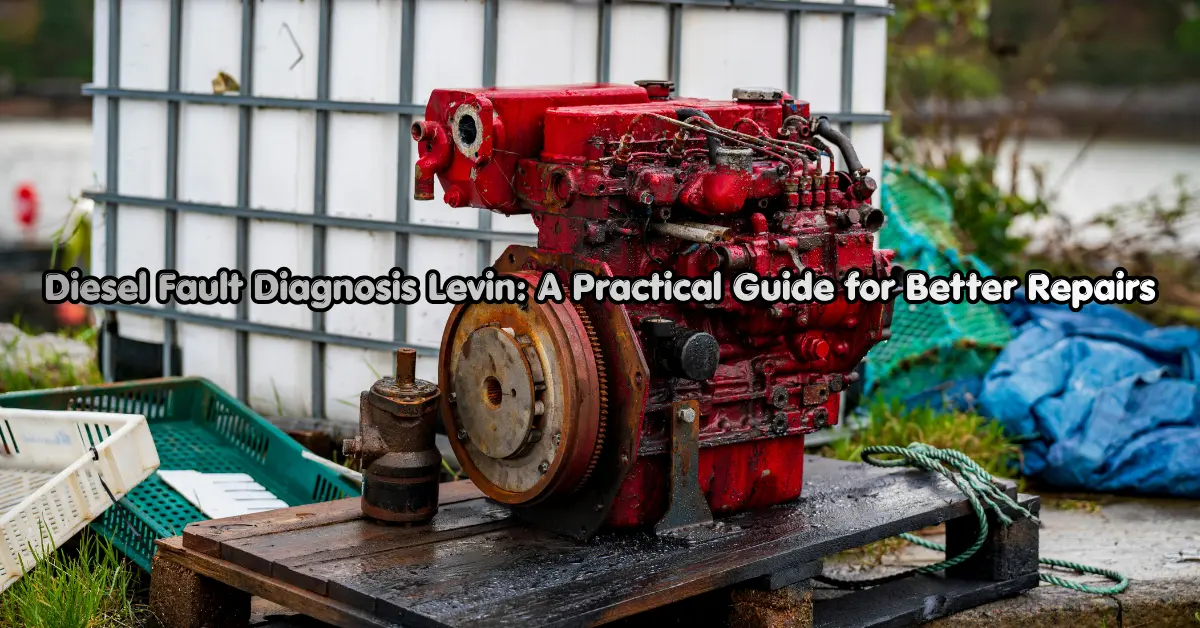
diesel fault diagnosis levin is the process of identifying the cause of poor engine performance, warning lights, starting problems, smoke, unusual noises, or other diesel-related faults. Accurate diagnosis means testing the vehicle before replacing parts, which can save time, reduce unnecessary repair costs, and help prevent a small fault from becoming a larger mechanical problem.
For drivers, fleet operators, and workshops in Levin, understanding the basics of diesel diagnostics is useful when a truck, van, ute, or other diesel vehicle starts behaving differently. If you need a professional starting point, you can also review Levin truck mechanic services for local repair information.
This guide covers fuel-system faults, injectors, electrical problems, sensors, turbocharger issues, diagnostic trouble codes, warning lights, and practical troubleshooting methods. It is also useful for vehicle owners who want to understand what a mechanic is checking and why a particular repair may be recommended.
What Is Diesel Fault Diagnosis Levin?
diesel fault diagnosis levin involves a structured process of finding the root cause of a diesel engine problem rather than guessing which component has failed. A technician normally combines driver observations, visual inspection, electronic scanning, live data, and mechanical tests to narrow the fault down.
A diesel engine can lose performance for many reasons. Restricted fuel flow, contaminated diesel, injector problems, low boost pressure, faulty sensors, poor electrical connections, air leaks, or mechanical wear can produce similar symptoms. That is why replacing a component simply because a symptom points toward it can lead to unnecessary expense.
Good diagnostic work answers three questions:
- What symptom is occurring?
- What system could cause that symptom?
- What test can confirm or reject that possibility?
Why Does Diesel Fault Diagnosis Levin Matter?
diesel fault diagnosis levin matters because modern diesel engines depend on closely controlled fuel delivery, air supply, electronic sensors, and engine-management systems. A fault in one area can affect several others.
For drivers and commercial operators, accurate testing can help identify the root cause before parts are replaced, confirm whether a diagnostic trouble code is active or historical, check whether sensor readings make sense, and find fuel, air, electrical, or mechanical problems.
Common Symptoms That Need Diesel Fault Diagnosis Levin
diesel fault diagnosis levin may be appropriate when a vehicle develops a noticeable change in starting, power, economy, exhaust behaviour, or engine operation. Symptoms do not identify a fault by themselves, but they provide valuable clues.
Hard Starting or No Starting
A diesel that cranks but does not start may have insufficient fuel pressure, air entering the fuel system, injector problems, glow or intake-heating issues where fitted, a crankshaft or camshaft sensor fault, or an electrical supply problem.
The first checks should establish whether the engine has adequate cranking speed, fuel delivery, electrical power, and the signals needed by the engine-control system.
Loss of Engine Power
Power loss can result from restricted fuel flow, a clogged air filter, turbocharger or boost-control faults, exhaust restrictions, injector issues, sensor errors, or an engine-management strategy that limits power after detecting a serious fault.
Do not assume the turbocharger is defective simply because the vehicle feels weak. Testing boost pressure and control signals can help distinguish a turbo problem from a fuel or sensor problem.
Excessive Smoke
Black smoke generally indicates that combustion conditions are receiving too much fuel for the available air, although the underlying cause can vary. Possible causes include poor air supply, injector faults, boost problems, or incorrect sensor information.
White or blue smoke can have different causes, including unburned fuel, coolant-related problems, or oil entering the combustion process. Persistent unusual smoke deserves proper inspection rather than guesswork.
Warning Lights
An engine warning light may indicate a stored diagnostic trouble code, but the code is not always a direct statement that a particular component needs replacement. The code should be interpreted with freeze-frame information, live data, wiring checks, and relevant mechanical tests.
How Is Diesel Fault Diagnosis Levin Performed?
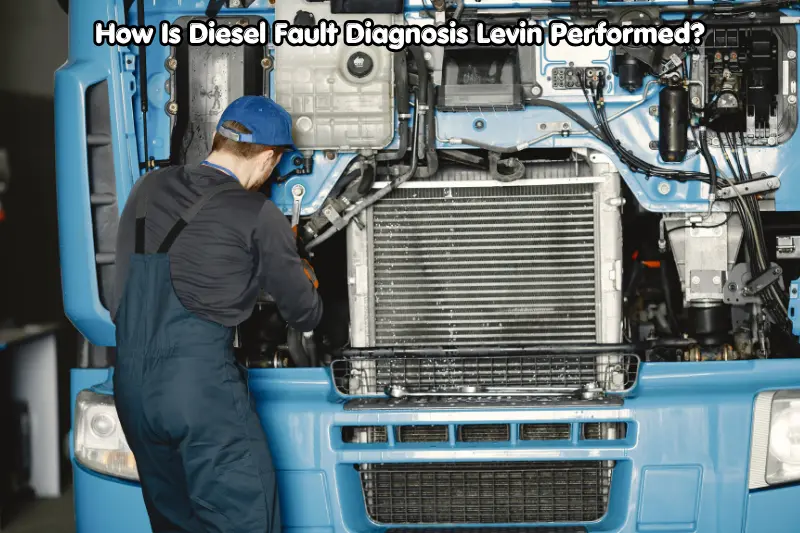
A sound diagnostic process starts with the simplest reliable checks and progresses toward more detailed testing. The exact sequence depends on the vehicle and symptoms, but a typical process includes the following steps.
Start With the Driver’s Symptoms
Ask when the problem started, whether it occurs during cold or hot operation, whether it appears under load, and whether any repairs or maintenance happened shortly beforehand.
Perform a Visual Inspection
Before connecting advanced equipment, inspect hoses, wiring, connectors, filters, fluid levels, belts, intake pipes, and visible signs of leakage or damage. Loose connectors, damaged wiring, split boost hoses, and blocked filters can sometimes explain a fault quickly.
Scan the Engine Control System
A diagnostic scanner can retrieve diagnostic trouble codes and display operating data from supported control modules. Depending on the vehicle, the technician may review fuel pressure, rail pressure, boost pressure, engine speed, temperatures, airflow, throttle or accelerator position, and other parameters.
Test the Fuel System
Fuel-system diagnosis may include checking fuel quality, filter condition, supply pressure, rail pressure, pressure regulation, injector operation, and signs of air entering the fuel supply.
Common fuel-related faults include:
- Blocked fuel filters
- Contaminated or incorrect fuel
- Weak supply pumps
- Pressure-control faults
- Injector leakage or poor spray performance
- Restricted fuel lines
High-pressure common-rail systems can operate at dangerous pressures. Testing must follow the manufacturer’s procedure, and high-pressure fuel should never be handled casually.
Check Air Intake and Turbocharger Operation
A diesel engine needs the correct balance of fuel and air. Restricted intake flow, leaking charge-air pipes, faulty boost-control components, or turbocharger problems can cause poor acceleration and smoke.
A technician may compare commanded and actual boost, inspect hoses and intercooler connections, check relevant sensors, and examine the turbocharger for signs of damage. Low boost does not automatically mean the turbo itself needs replacement.
Check Electrical Systems and Sensors
Electrical fault diagnosis can involve battery voltage, grounds, fuses, relays, wiring continuity, connector condition, and voltage signals. Sensors may also be checked against expected values and compared with other readings.
Common sensor-related problems include inaccurate temperature, pressure, airflow, crankshaft-position, or camshaft-position signals. A sensor code can sometimes be caused by damaged wiring or poor power supply rather than a failed sensor.
What Tests Help Confirm Diesel Problems?
diesel fault diagnosis levin becomes more dependable when electronic information is supported by physical testing. The correct test depends on the symptom and engine design.
Useful diagnostic methods can include:
- Diagnostic scanning and code analysis
- Live-data comparison
- Fuel-pressure testing
- Injector balance or return-flow testing where applicable
- Battery and charging-system testing
- Voltage-drop testing on electrical circuits
- Boost-pressure testing
- Compression testing when mechanical condition is suspected
- Intake and charge-air leak inspection
- Visual inspection of exhaust and emissions-related components
Common Diesel Faults and Practical Examples
diesel fault diagnosis levin is especially useful when several possible faults produce the same complaint. Consider a vehicle that has suddenly lost power.
One possibility is a split charge-air hose. Another could be a restricted fuel filter, a boost-control issue, or an engine-management fault. If the technician checks the intake system first and finds a damaged hose, that physical evidence may explain the symptom more convincingly than a code alone.
Common Diagnostic Mistakes to Avoid
diesel fault diagnosis levin can go wrong when diagnosis becomes parts replacement by guesswork. Several mistakes are particularly common.
A diagnostic trouble code identifies a detected condition or circuit issue. It does not always prove that the named component is defective.
A sophisticated scanner cannot repair a disconnected hose, blocked filter, damaged wire, low battery, or mechanical problem. Basic checks remain essential.
Clearing codes can remove useful diagnostic information. Record codes and relevant data before deleting anything unless there is a specific reason to clear them.
Low power, smoke, rough running, and hard starting can each have multiple causes. A structured testing process is safer than jumping to a single conclusion.
Benefits and Limitations of Diesel Diagnostics
The main benefit of diesel fault diagnosis levin is better decision-making. Proper diagnosis can reduce unnecessary parts replacement, identify faults earlier, and provide a clearer repair path.
However, scanner data may not reveal every mechanical problem, and different vehicle manufacturers use different systems and diagnostic strategies. Some faults require specialist equipment, mechanical measurements, wiring diagrams, or manufacturer-specific procedures.
Safety Considerations During Diesel Troubleshooting

diesel fault diagnosis levin should always be performed with safety in mind. Diesel fuel systems, hot engine components, rotating belts and fans, batteries, exhaust components, and pressurised systems can create serious hazards.
Follow the vehicle manufacturer’s service procedures and use appropriate protective equipment. Never loosen high-pressure common-rail fuel lines while the system may be pressurised. Keep hands, clothing, and tools away from moving components while the engine is running.
If a vehicle has a serious warning light, severe overheating, heavy smoke, unusual mechanical noise, major fluid leakage, or a sudden and significant loss of control or braking performance, stop in a safe location and arrange appropriate professional assistance rather than continuing to drive.
For road-safety and vehicle compliance information in New Zealand, consult the Waka Kotahi NZ Transport Agency and follow the requirements applicable to the vehicle.
Maintenance Tips to Reduce Diesel Faults
diesel fault diagnosis levin is a diagnostic process, but preventive maintenance can reduce the chance of some common problems.
Keep service records and follow the manufacturer’s recommended maintenance schedule. Replace fuel and air filters at the correct intervals, use the correct engine oil and approved fluids, and investigate warning lights rather than ignoring them.
Other useful habits include:
- Use suitable fuel from a reliable source.
- Check for fuel, oil, coolant, and air leaks.
- Monitor changes in starting and acceleration.
- Keep battery terminals and electrical connections in good condition.
- Address unusual smoke or noises promptly.
- Avoid postponing repeated warning lights.
- Have commercial vehicles inspected when performance changes significantly.
When Should You Seek Professional Diesel Diagnosis?
diesel fault diagnosis levin is best handled by a qualified or suitably experienced technician when the fault involves high-pressure fuel systems, complex electronic controls, intermittent electrical problems, turbocharger damage, or suspected internal engine wear.
Frequently Asked Questions
What is diesel fault diagnosis?
Diesel fault diagnosis is the systematic process of identifying why a diesel engine is not operating correctly. It combines symptom assessment, visual checks, electronic scanning, live data, and physical tests such as fuel-pressure or electrical testing. The goal is to confirm the root cause before carrying out a repair.
What are the most common diesel engine problems?
Common diesel problems include hard starting, low power, excessive smoke, rough running, fuel-system faults, injector issues, turbocharger or boost faults, sensor problems, and electrical failures. Similar symptoms can have different causes, so testing is needed to determine which component or system is actually responsible.
Can a diagnostic scanner find every diesel fault?
No. A scanner can retrieve codes and provide valuable live data, but it cannot identify every mechanical, fuel, air, or wiring problem by itself. diesel fault diagnosis levin may require pressure tests, voltage checks, physical inspections, or mechanical testing in addition to electronic diagnostics.
Why does a diesel lose power and show a warning light?
Power loss with a warning light can be caused by fuel-pressure problems, boost faults, sensor errors, emissions-system issues, or an engine-management strategy that limits performance. The warning code should be read and interpreted alongside live data and physical test results rather than treated as a direct parts-replacement instruction.
When should I get professional diesel diagnosis?
Professional diesel diagnosis is recommended when a vehicle has persistent warning lights, severe power loss, difficult starting, unusual smoke, repeated fault codes, or an unresolved problem after previous repairs. Complex common-rail fuel systems, turbocharger faults, and intermittent electrical problems are especially suitable for trained diagnostic testing.
Conclusion
Accurate diesel fault diagnosis levin starts with symptoms and ends with confirmed evidence. Fuel delivery, air supply, turbocharging, sensors, electrical circuits, and mechanical condition all need to be considered when diesel engine performance changes.
The most reliable approach is to scan the vehicle where appropriate, inspect basic systems, test the suspected circuit or component, and confirm the result before replacing parts. Safe working practices are essential, especially around high-pressure fuel and moving engine components.
If you need a practical next step for a vehicle in the Levin area, you can review Truck Mechanic Levin for relevant local truck repair information and then arrange suitable professional diagnosis when the fault requires hands-on testing.
