


Truck turbo repairs levin can involve much more than replacing a damaged turbocharger. A modern diesel truck relies on the turbo system, fuel system, sensors, electrical components, and engine control system to work together. When power drops or warning lights appear, accurate diagnosis is necessary to identify the real cause before repairs begin.
Diesel fault diagnosis means systematically checking a vehicle to determine why an engine is not operating as expected. This may involve reading diagnostic trouble codes, inspecting components, testing sensors, checking air and fuel systems, and evaluating engine performance. Accurate diagnosis matters because a problem that appears to be a turbo failure may actually be caused by a boost leak, sensor fault, fuel system issue, or electrical problem.
For truck owners and operators looking for information about Levin truck mechanic services, understanding the basics of turbocharger diagnosis can help with maintenance decisions and communication during professional repairs. This guide covers common turbocharger problems, diesel troubleshooting methods, warning signs, testing procedures, safety considerations, and practical maintenance advice.
What Are Truck Turbo Repairs Levin Services Designed to Address?
Truck turbo repairs levin generally focus on identifying and correcting problems affecting the turbocharger and the systems connected to it. A turbocharger uses exhaust energy to compress incoming air, allowing the engine to receive more oxygen for combustion.
When the system is operating correctly, the engine can produce efficient power. However, turbocharger performance can be affected by mechanical wear, oil problems, air leaks, blocked components, sensor faults, and exhaust restrictions.
Common issues investigated during truck turbo repairs levin work include:
- Loss of engine power
- Excessive exhaust smoke
- Unusual whining or grinding sounds
- Oil leaks around turbo components
- Poor acceleration
- Reduced boost pressure
- Engine warning lights
- Damaged hoses or intercooler connections
- Turbocharger shaft or bearing problems
A professional inspection should consider the complete engine system rather than assuming that the turbocharger itself is always responsible.
Common Symptoms That May Point to Turbocharger Problems
One of the most common reasons for truck turbo repairs levin is noticeable power loss. A diesel truck may struggle under load, accelerate slowly, or fail to reach its normal performance level.
Other possible symptoms include unusual noises. A damaged turbocharger may produce excessive whistling, whining, or mechanical sounds. However, sounds can also come from air leaks, damaged intake components, or exhaust leaks.
Excessive exhaust smoke can also indicate an underlying problem. The colour and operating conditions associated with smoke can provide useful clues, but smoke alone does not confirm a turbocharger fault. Fuel delivery problems, injector problems, combustion issues, or restricted airflow may also contribute.
Engine warning lights should never be ignored. Modern vehicles use sensors and control systems to monitor many operating conditions. Diagnostic trouble codes can provide a starting point for diesel engine diagnosis, although a code should not automatically be treated as proof that a particular component has failed.
Why Accurate Truck Turbo Repairs Levin Diagnosis Matters
Accurate truck turbo repairs levin diagnosis can help prevent unnecessary component replacement. Turbochargers can be expensive components, and replacing one without identifying the original cause of failure may lead to repeated problems.
For example, a turbocharger may suffer damage because of poor lubrication. If the oil supply problem is not corrected, installing another turbo may not solve the underlying issue. Similarly, foreign material entering the intake system can damage turbocharger components and cause continuing engine performance problems.
A systematic diagnosis can help identify:
- The original fault
- Related component failures
- Secondary damage
- Air or boost leaks
- Oil supply and drainage problems
- Electrical faults
- Sensor problems
- Fuel system faults
The best repair approach addresses both the visible failure and the conditions that contributed to it.
Common Causes of Turbocharger Failure
Oil Contamination and Lubrication Problems
Turbochargers operate at very high speeds and depend on proper lubrication. Dirty oil, incorrect oil, restricted oil supply, or delayed oil changes can contribute to bearing and internal component wear.
Oil supply pipes and return systems may also need inspection. A restricted or damaged line can affect lubrication and create conditions that increase the risk of turbocharger damage.
Air Intake Restrictions
A blocked air filter or damaged intake system can affect airflow. Foreign material entering the intake can also cause serious damage to compressor components.
During truck turbo repairs levin, the intake path should be checked for loose connections, damaged pipes, blocked filters, and signs of contamination.
Boost Leaks
A truck can experience reduced power even when the turbocharger itself is functioning. Split hoses, loose clamps, damaged intercoolers, and leaking connections can allow pressurised air to escape.
Boost leaks can produce symptoms similar to turbocharger failure, including poor acceleration and reduced engine performance.
Exhaust System Problems
The exhaust system provides the energy that drives the turbocharger. Restrictions or leaks can influence turbocharger operation and engine performance.
A complete inspection may therefore include relevant exhaust components as part of the broader diagnostic process.
Truck Turbo Repairs Levin and Diesel Engine Diagnosis

Truck turbo repairs levin should be approached as part of complete diesel engine diagnosis. A turbocharger works with multiple systems, and a fault in another area can create similar symptoms.
Fuel system faults can cause poor acceleration and reduced power. Injector problems may affect combustion and create smoke or rough operation. Electrical faults can interfere with sensors and control components. A failed or inaccurate sensor may cause the engine control system to adjust performance incorrectly.
A thorough diesel troubleshooting process may include:
- Reviewing the driver’s reported symptoms.
- Checking warning lights and diagnostic trouble codes.
- Inspecting intake and boost components.
- Checking visible oil leaks and lubrication-related concerns.
- Testing relevant sensors and electrical connections.
- Evaluating fuel system operation.
- Measuring or verifying relevant engine performance data.
- Inspecting the turbocharger only after considering related systems.
This approach reduces the risk of replacing parts based only on assumptions.
Diagnostic Scanners and Vehicle Diagnostics
A diagnostic scanner is an important tool for modern diesel repair. It can retrieve diagnostic trouble codes and, depending on the vehicle and equipment, provide information from sensors and control systems.
However, diagnostic scanners have limitations. A trouble code may indicate that a reading is outside an expected range, but the code does not always identify the exact failed part.
For example, a pressure-related code could result from:
- A faulty sensor
- Damaged wiring
- A loose electrical connector
- A boost leak
- A blocked component
- A control system issue
For this reason, scanner information should be combined with physical inspection and appropriate testing.
Testing Methods Used for Truck Turbo Repairs Levin
Different testing methods may be required depending on the truck and the reported symptoms. A visual inspection is often the starting point, followed by diagnostic checks.
Common testing approaches can include checking:
Air and Boost System Components
Technicians may inspect hoses, clamps, pipes, and intercooler connections for visible damage or leakage. Problems in these components can reduce boost pressure without requiring a turbocharger replacement.
Oil Supply and Return Systems
The lubrication system should be considered when investigating turbocharger damage. Evidence of oil contamination, restricted supply, or poor drainage may indicate an underlying problem requiring attention.
Turbocharger Condition
Inspection may focus on signs of physical damage, unusual movement, oil leakage, or compressor and turbine damage. The exact procedure depends on the engine design and manufacturer guidance.
Electrical and Sensor Systems
Modern diesel engines rely on sensors that monitor pressure, airflow, temperature, and other conditions. Wiring, connectors, sensor signals, and related electrical faults can affect engine operation.
Testing should follow appropriate vehicle specifications and repair procedures rather than relying on a single general method for every truck.
Fuel System Faults That Can Resemble Turbo Problems
Fuel system faults can create symptoms that are easily confused with turbocharger problems. Poor acceleration, reduced power, difficult starting, smoke, and rough running may originate from fuel delivery or injector problems.
Potential areas for diesel fuel system diagnosis include:
- Fuel filter restrictions
- Fuel contamination
- Injector problems
- Incorrect fuel pressure
- Faulty electrical connections
- Control system issues
When investigating truck turbo repairs levin, considering the fuel system can help avoid a narrow diagnosis. If the engine is not receiving or controlling fuel correctly, repairing the turbocharger alone may not restore normal performance.
Warning Lights and Engine Performance Problems
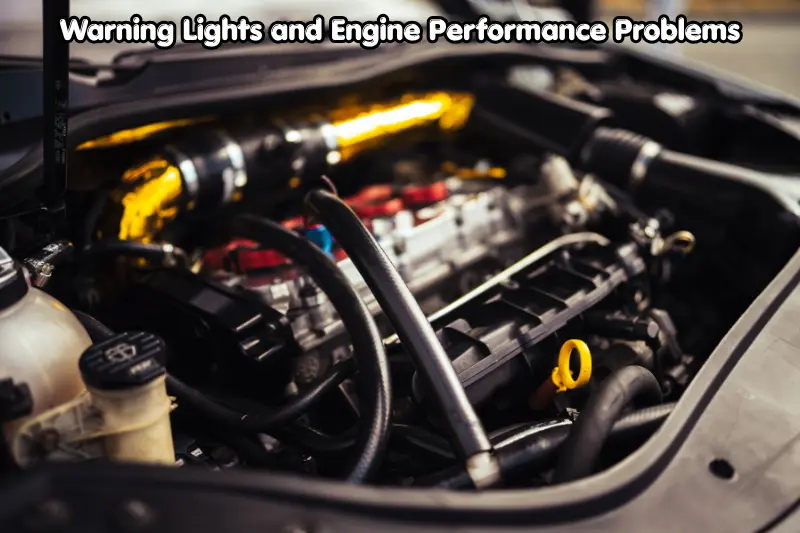
Engine warning lights are useful signals, but they should be interpreted carefully. A warning light can indicate a problem detected by the vehicle’s monitoring system, but additional testing is usually required to identify the exact cause.
Engine performance problems may include:
- Reduced power
- Slow throttle response
- Poor fuel efficiency
- Limp-home operation
- Excessive smoke
- Rough running
- Unusual noises
For truck turbo repairs levin, recording when these symptoms occur can provide useful diagnostic information. For example, noting whether power loss occurs only under heavy load or at certain engine speeds may help guide further testing.
Maintenance Tips to Protect a Truck Turbocharger
Regular maintenance can help reduce avoidable engine and turbocharger problems. Maintenance should always follow the vehicle manufacturer’s requirements.
Useful practices include keeping up with appropriate oil and filter changes, inspecting the air intake system, addressing warning lights promptly, and investigating unusual noises before they become more serious.
Drivers should also avoid continuing to operate a truck with severe performance problems or obvious mechanical symptoms. Continued operation can potentially cause additional damage depending on the nature of the fault.
Regular inspections can also help identify worn hoses, oil leaks, damaged electrical connectors, and other developing problems before they significantly affect engine performance.
Common Mistakes During Truck Turbo Repairs Levin
A common mistake is replacing the turbocharger before identifying why the original unit failed. A replacement may experience similar problems if an underlying lubrication issue, intake contamination, or system fault remains.
Another mistake is relying only on diagnostic trouble codes. Codes provide useful information, but they are part of the diagnostic process rather than a complete diagnosis.
Other common mistakes include:
- Ignoring boost leaks
- Reusing damaged hoses or connections
- Failing to inspect the oil system
- Overlooking electrical faults
- Assuming smoke always indicates turbo failure
- Using unsuitable parts or procedures
- Continuing to drive despite serious warning signs
Careful truck turbo repairs levin work should focus on identifying causes rather than simply replacing the most obvious component.
Safety Considerations During Diesel Troubleshooting
Diesel engines and turbocharger systems involve high temperatures, moving parts, pressurised systems, electrical components, and potentially hazardous fluids. Safety should always come before diagnosis or repair.
Allow hot engine and exhaust components to cool before inspection where appropriate. Avoid placing hands near moving belts, fans, or rotating components. Use suitable protective equipment and follow vehicle-specific safety procedures.
When a truck is used on public roads, roadworthiness and transport safety requirements should also be considered. The Waka Kotahi NZ Transport Agency provides authoritative information about transport and road safety requirements in New Zealand.
Complex turbocharger, fuel system, and electrical diagnosis should be handled by a suitably qualified professional when the required knowledge, tools, or safety procedures are beyond the scope of basic maintenance.
When Should You Seek Professional Truck Turbo Repairs Levin?
Professional truck turbo repairs levin may be appropriate when a truck has persistent power loss, repeated warning lights, significant smoke, unusual mechanical noises, or suspected turbocharger damage.
Professional diagnostic equipment can provide information that may not be available through basic inspection. A diesel mechanic can also assess multiple systems together, including fuel delivery, engine sensors, electrical connections, intake components, and turbocharger operation.
Professional help is particularly valuable when the problem is intermittent. Some electrical faults or sensor problems may only appear under certain operating conditions, making systematic testing necessary.
Practical Example of Diesel Troubleshooting
Consider a truck that develops reduced power while carrying heavy loads. The immediate assumption might be that the turbocharger has failed.
A systematic process would begin by reviewing warning lights and diagnostic trouble codes. The intake system could then be checked for damaged hoses or loose connections. Relevant sensor data might be reviewed, followed by checks of the fuel system and turbocharger condition.
If a split boost hose is found, replacing the turbocharger would have been unnecessary. This example shows why truck turbo repairs levin should involve complete engine fault diagnosis rather than focusing on one component too early.
Frequently Asked Questions
What does diesel fault diagnosis involve?
Diesel fault diagnosis involves identifying the cause of engine problems through inspection, testing, diagnostic trouble codes, sensor checks, and evaluation of systems such as fuel, air, electrical components, and exhaust. A systematic process helps distinguish between related faults that may produce similar symptoms.
What are the most common diesel engine problems?
Common diesel engine problems include fuel system faults, injector problems, air intake restrictions, electrical faults, sensor issues, warning lights, poor combustion, and turbocharger faults. Symptoms such as power loss or smoke can have several possible causes, so accurate testing is needed before repairs are selected.
Can a diagnostic scanner identify a failed turbocharger?
A diagnostic scanner can provide useful data and diagnostic trouble codes, but it does not always prove that a turbocharger has failed. Additional inspection and testing may be required to check boost pressure, sensors, air leaks, electrical faults, and related engine systems.
Can truck turbo repairs levin solve power loss and warning lights?
Truck turbo repairs levin may address power loss and warning lights when the turbocharger or connected components are responsible. However, similar symptoms can also result from fuel system faults, sensors, electrical problems, or boost leaks. Proper diagnosis should identify the actual cause before repairs begin.
When should I get professional diesel diagnosis?
Professional diesel diagnosis is advisable when warning lights remain on, power loss continues, unusual noises develop, smoke becomes excessive, or previous repairs have not resolved the problem. Professional testing can evaluate the engine, fuel system, sensors, electrical connections, and turbocharger-related components more thoroughly.
Conclusion
Turbocharger problems can affect truck power, efficiency, and overall engine performance, but the turbocharger is not always the source of the fault. Accurate diagnosis should consider boost leaks, oil supply, fuel system faults, injector problems, sensors, electrical faults, warning lights, and other diesel engine problems.
The most practical approach to truck turbo repairs levin is to identify the underlying cause before replacing major components. Regular maintenance, early attention to warning signs, and systematic testing can help prevent unnecessary repairs and further damage. For a useful next step, readers can review Truck Mechanic Levin for information about relevant truck repair and diagnostic services.
