

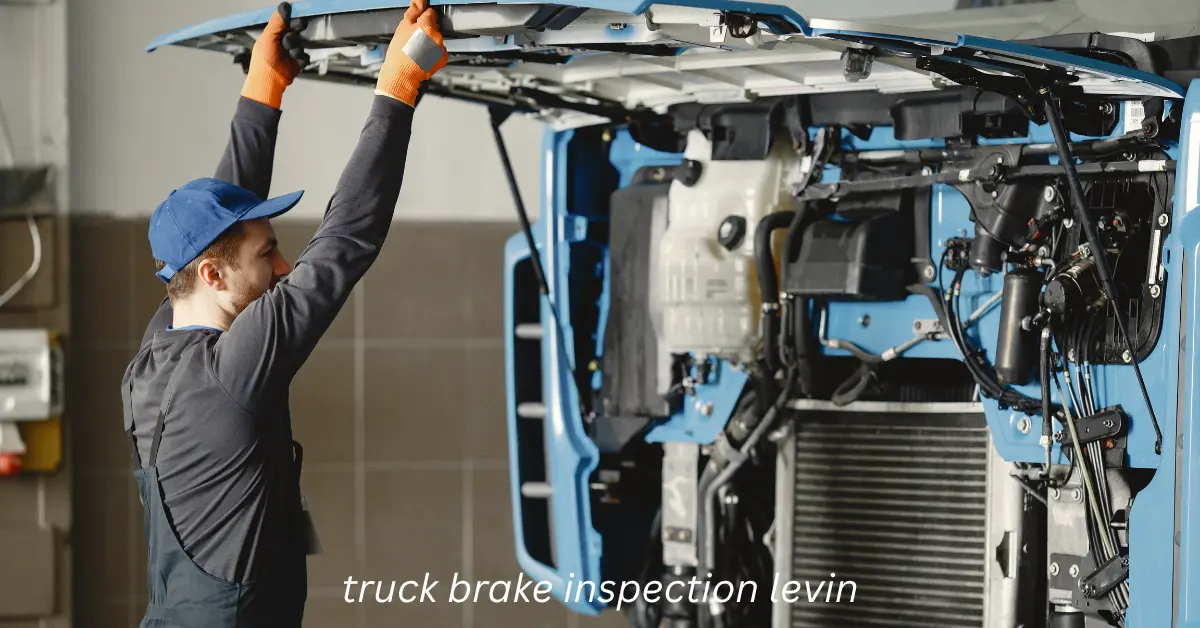
For truck owners, fleet operators, and commercial drivers, reliable brakes are one of the most important parts of road safety. A heavy truck carries much more weight than a regular vehicle, which means its braking system needs regular inspection and proper maintenance. If you are looking for truck brake inspection Levin, understanding what an inspection involves can help you keep your vehicle safe, reliable, and ready for the road.
A professional truck brake inspection can identify worn brake components, air-system problems, uneven braking, damaged parts, and other issues before they become expensive or dangerous. Regular inspections are particularly important for trucks that travel long distances, carry heavy loads, or operate frequently.
Why Is Truck Brake Inspection Important?
Truck brakes work under significant pressure every time a vehicle slows down or stops. Over time, brake components can wear out, become contaminated, or develop mechanical problems.
Regular truck brake inspection in Levin helps identify potential issues early. A qualified technician can examine the braking system and determine whether components need adjustment, repair, or replacement.
A properly maintained braking system can help provide:
- Better stopping performance
- Improved road safety
- Reduced brake wear
- More reliable truck operation
- Early detection of brake problems
- Greater confidence for drivers
- Reduced risk of unexpected breakdowns
For businesses operating several trucks, routine brake inspections can also help reduce vehicle downtime and unexpected repair costs.
What Is Checked During a Truck Brake Inspection?
A professional inspection usually involves checking several parts of the truck’s braking system. The exact inspection process can depend on the truck’s make, model, brake system, and condition.
1. Brake Pads and Linings
Brake pads or linings gradually wear down through normal use. If they become too thin, braking performance may be affected.
During an inspection, technicians can check their condition and determine whether replacement or further maintenance is required.
2. Brake Discs and Drums
Brake discs and drums are exposed to heat and friction during braking. Cracks, excessive wear, scoring, or other damage can affect performance.
Inspecting these components helps identify problems before they become more serious.
3. Air Brake System
Many heavy trucks use air braking systems. Air pressure is essential for proper brake operation, so technicians may inspect air lines, connections, valves, tanks, and other related components.
Air leaks or pressure problems should not be ignored because they can affect braking performance.
4. Brake Chambers and Components
Brake chambers and related components play an important role in converting air pressure into braking force. An inspection can identify signs of damage, corrosion, leakage, or incorrect operation.
5. Brake Hoses and Lines
Damaged, cracked, or leaking brake hoses and lines can create serious problems. These components should be inspected regularly, especially on trucks that operate in demanding conditions.
6. Parking Brake
The parking brake is another important part of the overall braking system. A technician can check whether it engages and releases correctly and whether the relevant components are functioning properly.
Signs Your Truck May Need a Brake Inspection
Truck drivers often notice changes in vehicle performance before a serious brake problem develops. If you notice anything unusual, arranging a professional inspection is a sensible step.
Common warning signs include:
- Longer stopping distances
- Unusual noises when braking
- Truck pulling to one side
- Brake vibration or shaking
- Reduced braking response
- Air pressure dropping unexpectedly
- Brake warning lights
- Burning smells around the wheels
- Uneven brake wear
- Difficulty using the parking brake
Ignoring these warning signs can potentially lead to more expensive repairs and increased safety risks.
How Often Should a Truck Be Inspected?
There is no single inspection schedule that applies to every truck. The appropriate frequency depends on factors such as vehicle type, mileage, operating conditions, load weight, braking system, and manufacturer recommendations.
Trucks that travel frequently, carry heavy loads, or operate in demanding environments may require more frequent checks.
Fleet operators should maintain a proper maintenance schedule and arrange inspections whenever a driver reports unusual braking behaviour.
Regular preventive maintenance is generally better than waiting until a brake component fails.
Benefits of Professional Truck Brake Inspection in Levin
Choosing a professional service for truck brake inspection Levin can provide several advantages. Experienced technicians have the equipment and knowledge needed to inspect heavy-vehicle braking systems more effectively than a basic visual check.
Improved Safety
The most important benefit is safety. Properly functioning brakes help drivers control heavy vehicles and reduce stopping risks.
Early Problem Detection
Small brake issues can become larger problems when ignored. Regular inspections can identify worn or damaged components early.
Reduced Downtime
Unexpected brake failures can take a commercial truck off the road. Preventive inspections can help identify maintenance needs before they result in major downtime.
Better Maintenance Planning
An inspection provides an opportunity to understand the condition of the braking system and plan necessary repairs or replacements.
Greater Driver Confidence
Drivers are more confident when they know their truck has been properly inspected and maintained.
Choosing a Truck Brake Inspection Service in Levin
When searching for a truck brake inspection service in Levin, consider several factors before choosing a workshop.
Look for a service provider with experience working on heavy vehicles and commercial trucks. It is also useful to check whether the workshop has suitable equipment for inspecting and servicing truck braking systems.
Consider:
- Experience with heavy trucks
- Qualified and experienced technicians
- Appropriate inspection equipment
- Transparent service information
- Good local reputation
- Availability of repair and replacement services
- Focus on safety and proper maintenance
A good inspection should not simply identify a problem. The technician should also explain what was found and what maintenance may be required.
Truck Brake Inspection vs. Brake Repair
It is important to understand the difference between an inspection and a repair.
A truck brake inspection is primarily about checking the condition and operation of the braking system. It helps identify potential problems.
A truck brake repair, on the other hand, involves fixing an identified issue. Depending on the problem, repairs may include replacing worn components, fixing air leaks, servicing brake assemblies, or addressing other mechanical faults.
In many cases, regular inspections can help prevent minor issues from developing into major repairs.
Don’t Ignore Truck Brake Problems
Brake problems should always be taken seriously, particularly when dealing with heavy commercial vehicles. A truck that does not brake correctly can create risks for the driver and other road users.
If your truck has developed unusual braking behaviour, do not wait for the problem to become worse. Arrange a professional inspection and have the braking system assessed by a qualified technician.
Regular maintenance is one of the simplest ways to support safer and more dependable truck operation.
Final Thoughts
A reliable braking system is essential for every commercial truck. Regular truck brake inspection in Levin can help identify worn components, air-system problems, leaks, and other issues before they become more serious.
Whether you operate a single truck or manage a larger fleet, scheduled brake inspections should be an important part of your vehicle maintenance routine. If you notice unusual noises, reduced braking performance, vibration, warning lights, or other concerns, professional inspection should be arranged promptly.
Keeping truck brakes properly inspected and maintained is not only about protecting the vehicle—it is about helping keep drivers, businesses, and other road users safer.
