

Introduction
Truck tail lift repairs Levin are important when a hydraulic or mechanical tail lift becomes slow, noisy, uneven, or completely stops working. A tail lift carries heavy loads between the truck deck and ground level, so even a relatively small fault can make loading difficult and create unnecessary safety risks.
For businesses operating delivery trucks, commercial vehicles, transport fleets, and service vehicles, a properly functioning tail lift can make loading and unloading more practical. Problems such as hydraulic leaks, damaged cylinders, worn pivot points, electrical faults, broken switches, weak batteries, and damaged platforms should be investigated before they develop into more serious failures.
This guide explains what a truck tail lift does, the most common problems that require professional attention, how repairs are normally approached, what maintenance can prevent breakdowns, and what to check before choosing a repair service in Levin.
What Is a Truck Tail Lift?

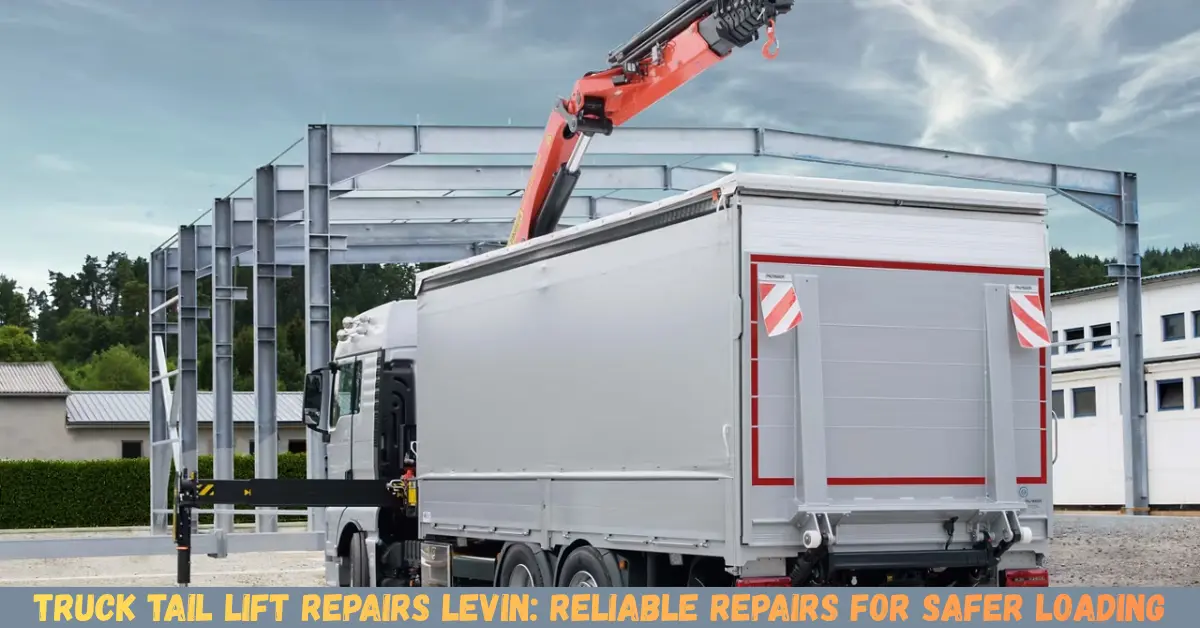
A truck tail lift is a powered platform fitted to the rear of a commercial vehicle. It is designed to raise and lower goods between the truck’s loading deck and ground level.
Tail lifts are commonly used for transporting goods that are too heavy or awkward to move safely by hand. Depending on the design, a tail lift may use hydraulic, electrical, mechanical, or electro-hydraulic components.
Typical tail lift components include:
- Hydraulic pump
- Hydraulic cylinder
- Hydraulic hoses and fittings
- Electric motor
- Battery and wiring
- Control switches
- Platform
- Hinges and pivot points
- Safety restraints
- Mounting brackets
- Limit switches and sensors
Because several systems work together, diagnosing the actual cause of a failure is more useful than simply replacing the part that appears damaged.
Why Are Truck Tail Lift Repairs Important?
Truck tail lift repairs are important because a faulty lift can affect loading efficiency, vehicle availability, and safe handling of goods.
A tail lift that does not operate correctly may:
- Fail to raise or lower the platform
- Move more slowly than normal
- Drop or move unevenly
- Produce unusual noises
- Leak hydraulic fluid
- Have intermittent electrical operation
- Become difficult to control
- Prevent the truck from completing normal delivery work
For a commercial operator, leaving these symptoms unresolved can also turn a relatively manageable repair into a more complicated mechanical or electrical problem.
The safest approach is to stop using a tail lift when its operation appears unsafe and arrange an appropriate inspection.
Common Problems That Require Truck Tail Lift Repairs Levin
Several different faults can affect a truck tail lift. Identifying the symptoms can help you explain the problem to a technician.
Hydraulic Fluid Leaks
Hydraulic leaks are among the problems that can affect hydraulic tail lifts. Fluid may escape from a damaged hose, loose connection, seal, cylinder, pump, or other hydraulic component.
Signs can include:
- Oil or fluid around the tail lift
- A platform that struggles to lift weight
- Slow movement
- Loss of hydraulic pressure
- Visible damage to hoses or fittings
A hydraulic leak should not simply be ignored. Continuing to operate equipment with a significant leak may worsen the fault and create additional maintenance concerns.
Tail Lift Moves Slowly
A tail lift that suddenly becomes slow may have a hydraulic, electrical, mechanical, or load-related problem.
Possible causes include:
- Low hydraulic fluid
- Restricted hydraulic flow
- A worn pump
- Battery problems
- Electrical resistance
- Damaged hydraulic components
- Excessive friction at moving points
A technician can test the system rather than assuming that speed alone identifies the failed component.
Tail Lift Will Not Lift
If the platform does not rise, the problem could be electrical or hydraulic.
The first checks may involve the battery, control switch, wiring, motor, pump, hydraulic pressure, and cylinder.
If the motor does not operate at all, electrical diagnosis may be required. If the motor runs but the platform does not lift correctly, the hydraulic system may require closer inspection.
Tail Lift Will Not Lower
A platform that refuses to lower can also have multiple causes. Mechanical restrictions, control faults, hydraulic problems, damaged components, or electrical issues may all contribute.
Do not attempt to force the platform down using unsafe methods. A professional inspection is the better option when the normal controls do not work.
Hydraulic Hose Damage
Hydraulic hoses operate under pressure and can deteriorate through age, abrasion, incorrect routing, heat, or physical damage.
A damaged hose can result in fluid loss and poor lift performance. Replacing the hose with an appropriate component and checking the surrounding system can help prevent the same issue from returning.
Electrical Faults
Modern tail lifts depend on electrical components for controls, motors, switches, and related functions.
Electrical symptoms can include:
- No response from controls
- Intermittent operation
- Blown fuses
- Weak motor performance
- Loose connections
- Corroded terminals
- Damaged wiring
Electrical diagnosis should be systematic. Replacing fuses repeatedly without finding the underlying problem does not solve the fault.
How Truck Tail Lift Repairs Are Normally Carried Out
The exact repair procedure depends on the tail lift design and the fault. However, a professional repair generally follows a logical diagnostic process.
Step 1: Inspect the Tail Lift
The technician first examines the platform, mounting points, hydraulic components, electrical connections, controls, and visible mechanical parts.
The objective is to identify obvious damage and understand the symptoms.
Step 2: Confirm the Fault
The technician checks the reported problem rather than immediately replacing components.
For example, if the lift is slow, the technician may investigate hydraulic pressure, fluid condition, pump performance, electrical supply, and mechanical resistance.
Step 3: Test Hydraulic Components
Where a hydraulic system is involved, relevant components such as hoses, fittings, cylinders, pumps, valves, and fluid levels may be inspected.
The purpose is to locate the actual source of poor performance or leakage.
Step 4: Check Electrical Components
Electrical testing may include examining the battery supply, switches, wiring, connectors, fuses, motor connections, and control equipment.
This is particularly important when the tail lift is completely unresponsive or operates intermittently.
Step 5: Repair or Replace Damaged Parts
Once the cause has been identified, the appropriate component can be repaired, adjusted, or replaced.
Common repair work may include:
- Hydraulic hose replacement
- Seal replacement
- Electrical repairs
- Switch replacement
- Battery or connection checks
- Pump-related repairs
- Cylinder servicing
- Mechanical adjustments
- Pivot and hinge maintenance
Step 6: Test the System
After repairs, the tail lift should be operated and inspected to confirm that the original problem has been addressed.
The technician should also check for abnormal movement, leaks, unusual noise, or other signs of continuing trouble.
Benefits of Professional Tail Lift Repairs
Choosing professional truck tail lift repairs Levin can provide several practical benefits for commercial vehicle operators.
Improved Reliability
A correctly diagnosed repair can help restore consistent tail lift operation and reduce unexpected interruptions.
Better Loading Efficiency
A working tail lift makes it easier to move suitable goods between ground level and the truck deck, particularly when manual loading would be difficult.
Reduced Risk of Further Damage
Fixing a developing problem early may prevent additional components from being affected.
Less Vehicle Downtime
For businesses that depend on commercial vehicles, unnecessary downtime can disrupt deliveries and schedules. Prompt diagnosis can help operators make informed repair decisions.
Better Preventive Maintenance
A repair inspection can also identify worn components that may require attention before they become major problems.
Truck Tail Lift Repairs Levin vs DIY Repairs
Some basic visual checks can be performed by a vehicle operator, but complex hydraulic, electrical, and mechanical repairs are better handled by a suitably qualified technician.
| Check or Repair | Suitable for Basic Inspection? | Professional Attention Recommended? |
|---|---|---|
| Visual inspection | Yes | When damage is found |
| Checking obvious fluid leakage | Yes | Yes |
| Cleaning accessible areas | Yes | If contamination is extensive |
| Hydraulic hose replacement | No for most operators | Yes |
| Hydraulic system diagnosis | No | Yes |
| Electrical fault diagnosis | Limited | Yes |
| Cylinder repair | No | Yes |
| Structural damage | No | Yes |
| Safety-related faults | No | Yes |
The important point is to avoid turning a simple diagnosis into an unsafe repair attempt. Hydraulic systems can operate under substantial pressure, while tail lift platforms can be heavy and mechanically hazardous.
Maintenance Tips for Truck Tail Lifts
Regular maintenance can help identify problems before a tail lift becomes unusable.
Inspect Before Regular Use
Look for obvious damage, fluid leaks, loose components, unusual noises, and signs of abnormal movement.
Keep Moving Parts Maintained
Hinges, pivots, and other serviceable moving points should receive the maintenance recommended for the particular tail lift.
Monitor Hydraulic Components
Check hoses, fittings, cylinders, and other visible hydraulic components for leakage or physical damage.
Keep Electrical Connections Clean
Corrosion, contamination, and loose connections can contribute to electrical problems. Electrical maintenance should follow the equipment manufacturer’s recommendations.
Do Not Ignore Small Symptoms
A lift that is slightly slower, noisier, or less responsive than normal may be showing an early warning sign.
Reporting these symptoms early can make diagnosis easier.
Common Mistakes to Avoid
Several mistakes can make tail lift problems worse.
Continuing to Use a Damaged Lift
If the platform behaves unpredictably or appears structurally unsafe, continuing to operate it can increase the risk of further damage.
Guessing the Failed Component
A hydraulic or electrical symptom can have several possible causes. Replacing parts without proper diagnosis can waste money.
Ignoring Fluid Leaks
A visible hydraulic leak should be investigated rather than treated as a minor inconvenience.
Using Incorrect Replacement Parts
Tail lift components need to be suitable for the specific equipment. Incorrect parts can affect operation, compatibility, and safety.
Neglecting Preventive Maintenance
Waiting until a tail lift completely fails can lead to avoidable downtime. Regular inspections are generally more practical than emergency repairs.
How to Choose a Tail Lift Repair Service in Levin
When looking for truck tail lift repairs Levin, consider the technician’s experience with commercial vehicles and tail lift systems rather than choosing purely on price.
Look for a service that can:
- Diagnose hydraulic and electrical faults
- Work with commercial vehicles
- Identify the cause rather than only the symptom
- Use suitable replacement components
- Explain the required repair clearly
- Test the tail lift after completing work
- Provide practical maintenance advice
It is also useful to describe the symptoms accurately. Tell the technician whether the platform is slow, stuck, leaking, noisy, intermittent, or completely non-functional. This information can help with the initial diagnosis.
When Should You Arrange Tail Lift Repairs?
You should arrange an inspection when the tail lift shows a significant change in normal operation.
Pay particular attention to:
- Hydraulic fluid leaks
- Sudden loss of lifting power
- Unusual grinding or knocking sounds
- Jerky platform movement
- Electrical controls that stop responding
- Damaged hoses
- Cracks or visible structural damage
- Loose mounting components
- Repeated electrical failures
If a fault affects safe operation, avoid using the equipment until it has been appropriately assessed.
Practical Example: A Delivery Truck With a Slow Tail Lift
Imagine a delivery truck whose tail lift previously operated normally but has gradually become slower.
The operator notices that the platform takes longer to reach the required height and occasionally makes an unusual sound.
Instead of immediately replacing the hydraulic pump, a technician can inspect the hydraulic fluid, hoses, pump, electrical supply, cylinder, and mechanical movement. The diagnosis may identify the actual source of the problem.
This example shows why proper diagnosis matters. A symptom such as slow movement does not automatically mean that one particular component has failed.
Internal link
For professional truck tail lift repairs Levin, regular inspection can help identify hydraulic, electrical, and mechanical issues before they cause unnecessary downtime. For additional information about tail lift safety and maintenance, you can also visit official work equipment safety guidance from the UK Health and Safety Executive.
Frequently Asked Questions
What are the most common truck tail lift problems?
Common problems include hydraulic leaks, slow lifting, electrical faults, damaged hoses, worn mechanical components, control-switch problems, and platforms that fail to raise or lower. The exact cause depends on the tail lift design and symptoms, so professional diagnosis is useful when the problem cannot be identified through a basic visual inspection.
How do I know if my truck tail lift needs repair?
A tail lift may need repair when it becomes unusually slow, noisy, jerky, weak, or unresponsive. Visible hydraulic leakage, damaged hoses, electrical problems, unusual platform movement, or structural damage are also reasons to arrange an inspection. Safety-related faults should be addressed before the equipment is returned to normal use.
Can a hydraulic tail lift be repaired instead of replaced?
In many cases, individual components can be repaired or replaced rather than replacing the complete tail lift. Hydraulic hoses, seals, switches, wiring, pumps, cylinders, and other components may be serviceable depending on their condition. A technician should assess the equipment first to determine whether repair is practical and appropriate.
How often should a truck tail lift be maintained?
The appropriate maintenance interval depends on the tail lift manufacturer, model, operating conditions, workload, and applicable requirements. Operators should follow the manufacturer’s maintenance recommendations and conduct regular visual checks. Frequent commercial use may require closer attention to hydraulic, electrical, structural, and mechanical components.
Can I use a truck tail lift if it has a hydraulic leak?
A hydraulic leak should not be ignored, particularly if it affects lifting performance or creates an unsafe condition. Continuing to operate damaged equipment can worsen the problem. The safest approach is to stop using the tail lift when necessary and arrange an appropriate inspection and repair by a qualified technician.
Expert Tips for Longer Tail Lift Life
A few practical habits can help operators identify problems earlier.
Tip 1: Pay attention to changes.
If the tail lift sounds or moves differently from normal, investigate the change instead of waiting for complete failure.
Tip 2: Keep inspection records.
Recording repairs, inspections, and recurring faults can help identify patterns over time.
Tip 3: Do not overload the platform.
Always operate the tail lift within the manufacturer’s specified capacity and operating instructions.
Tip 4: Keep the platform clear.
Debris can interfere with moving components and create unnecessary wear.
Tip 5: Treat recurring faults seriously.
If the same electrical or hydraulic problem repeatedly returns, the underlying cause should be investigated rather than repeatedly replacing the visible failed part.
Conclusion
Truck tail lift repairs Levin are an important part of keeping commercial loading equipment dependable and suitable for regular work. Hydraulic leaks, electrical faults, damaged hoses, slow movement, worn mechanical components, and control problems can all affect tail lift performance.
The most effective approach is to identify symptoms early, avoid unsafe operation, diagnose the underlying cause, and repair or replace the affected components using suitable parts. Regular inspections and maintenance can also help operators discover developing problems before they cause major downtime.
If your truck tail lift is leaking, moving abnormally, making unusual noises, or refusing to operate, the practical next step is to arrange an inspection. Explain the exact symptoms to the technician and provide details about when the problem started. A proper diagnosis can help determine the most suitable repair and get the commercial vehicle back to dependable operation.
