

Introduction
Truck and trailer repairs Levin are essential for keeping commercial vehicles safe, reliable, and ready for regular transport work. From brake problems and tyre wear to suspension faults, electrical issues, coupling damage, and engine concerns, timely repairs can help prevent small problems from becoming expensive breakdowns.
This guide explains the most common Truck and trailer repairs Levin requirements, how professional inspections work, when repairs should be arranged, how preventive maintenance can reduce downtime, and what operators should consider when choosing a repair provider in Levin. Although the information is useful for readers researching commercial vehicle maintenance, local New Zealand requirements should always be checked against current official guidance.
What Are Truck and Trailer Repairs Levin?
Truck and trailer repairs Levin involve inspecting, diagnosing, maintaining, and repairing the mechanical, electrical, braking, suspension, steering, structural, and coupling systems of heavy commercial vehicles.
A truck may require repairs to its engine, gearbox, driveline, brakes, suspension, steering, cooling system, exhaust, or electrical components. A trailer can have different repair requirements, including brakes, axles, wheel assemblies, suspension, lights, coupling equipment, chassis components, and load-supporting structures.
For example, a driver who notices unusual vibration while towing a loaded trailer should not simply continue driving and wait for the next scheduled service. The vibration could be related to tyres, wheels, suspension, bearings, driveline components, or another mechanical problem that needs investigation.
Why Professional Truck and Trailer Repairs Levin Matter
Professional repairs are important because heavy vehicles operate under significant loads and place considerable demands on their mechanical and structural systems. A minor fault that might be manageable on a light vehicle can become much more disruptive when it affects a loaded truck or trailer.
Reliable repairs can provide several practical benefits:
- Improved vehicle reliability
- Better road safety
- Reduced risk of unexpected breakdowns
- More predictable maintenance costs
- Better fleet availability
- Improved inspection readiness
- Longer component service life
- Better maintenance records
Regular maintenance is also sound business practice. NZ Transport Agency Waka Kotahi explains that proper heavy-vehicle maintenance can support fuel efficiency and help prevent avoidable and costly breakdowns.
Common Truck Repairs in Levin
Truck repair requirements vary according to vehicle type, age, operating conditions, load, mileage, and manufacturer specifications. A proper diagnosis should therefore be completed before replacing components.
Engine and Cooling System Repairs
Engine problems can include overheating, oil leaks, unusual noises, poor performance, starting difficulties, excessive smoke, or warning lights.
Cooling-system faults may involve the radiator, hoses, thermostat, water pump, cooling fan, or related components. Continuing to operate a truck that is repeatedly overheating can cause more serious engine damage.
A technician may inspect fluid levels, leaks, temperature readings, belts, hoses, cooling components, and diagnostic information before recommending repairs.
Brake Repairs
Brakes are among the most important safety systems on a Truck and trailer repairs Levin.
Brake problems can appear as:
- Reduced braking performance
- Pulling during braking
- Unusual noises
- Brake warning indicators
- Excessive component wear
- Air-pressure problems
- Uneven braking
- Vibrations during braking
Heavy vehicles require particular attention to brake condition because of their weight and stopping requirements. NZTA’s vehicle inspection information also identifies brake testing as an important part of heavy-vehicle safety inspections.
Gearbox and Transmission Repairs
Transmission problems can affect acceleration, gear changes, fuel consumption, and overall drivability.
Common warning signs include difficulty selecting gears, slipping, grinding sounds, delayed engagement, fluid leaks, or unusual noises.
A professional technician can inspect the transmission system and determine whether the issue is related to fluid, clutch components, mechanical wear, hydraulic systems, electronics, or another part of the drivetrain.
Suspension Repairs
Truck suspension systems help support vehicle weight, maintain stability, and provide controlled movement over different road surfaces.
Suspension faults may involve:
- Worn bushes
- Damaged springs
- Air suspension problems
- Shock absorbers
- Suspension mounts
- Uneven ride height
- Damaged components
A truck that sits unevenly, handles differently, or produces unusual noises over bumps should be inspected rather than operated indefinitely with the problem.
Steering Repairs
Steering problems can directly affect vehicle control.
Drivers should pay attention to excessive steering play, unusual noises, uneven tyre wear, vibration, or changes in steering response. These symptoms can have different causes, so a detailed inspection is important before deciding which components need replacement.
Electrical and Diagnostic Repairs
Modern commercial trucks contain electronic control systems, sensors, warning systems, lighting circuits, and diagnostic modules.
Electrical problems can include:
- Starting difficulties
- Battery issues
- Alternator faults
- Lighting failures
- Sensor problems
- Wiring damage
- Dashboard warning lights
- Communication faults between electronic systems
Diagnostic equipment can help technicians identify electronic faults more efficiently, but scan results should be interpreted alongside physical inspection.
Common Trailer Repairs in Levin
Trailer repairs require attention to both mechanical components and the structure that supports and carries the load.
Trailer Brake Repairs
Trailer brakes must work correctly with the towing vehicle. Uneven braking, delayed braking, abnormal noises, or excessive wear should be investigated promptly.
The correct repair method depends on the trailer design, braking system, component condition, and manufacturer’s requirements.
Axle, Wheel, and Bearing Repairs
Trailer wheels and bearings experience significant loads, particularly when trailers regularly carry heavy or uneven loads.
Warning signs can include wheel vibration, abnormal heat, unusual noises, uneven tyre wear, or visible damage.
Wheel security is especially important. NZTA recommends following manufacturer instructions, using correct tightening procedures, and using a calibrated torque wrench for final wheel-nut tightening.
Trailer Suspension Repairs
Trailer suspension can wear through repeated loading, road impacts, poor maintenance, and component fatigue.
A technician may inspect springs, air suspension components, bushes, hangers, mounts, ride height, and other related parts.
Coupling and Kingpin Repairs
Coupling components connect the trailer to the towing vehicle, making their condition critical.
A damaged, incorrectly adjusted, dirty, or worn coupling can create a serious safety risk. NZTA issued an industry alert in December 2025 concerning the risk of trailer disconnection from incorrect or damaged couplings and advised regular inspection, maintenance, lubrication, and cleaning.
Drivers should also perform appropriate coupling checks before operating a combination vehicle.
Trailer Lighting Repairs
Trailer lights are important for visibility, signalling, and compliance.
Common problems include:
- Broken lamps
- Damaged wiring
- Corroded connectors
- Loose connections
- Failed indicators
- Brake-light faults
- Reflector damage
Electrical faults should be repaired rather than temporarily covered with unreliable connections or improvised wiring.
How a Professional Truck and Trailer Repairs Levin Process Works
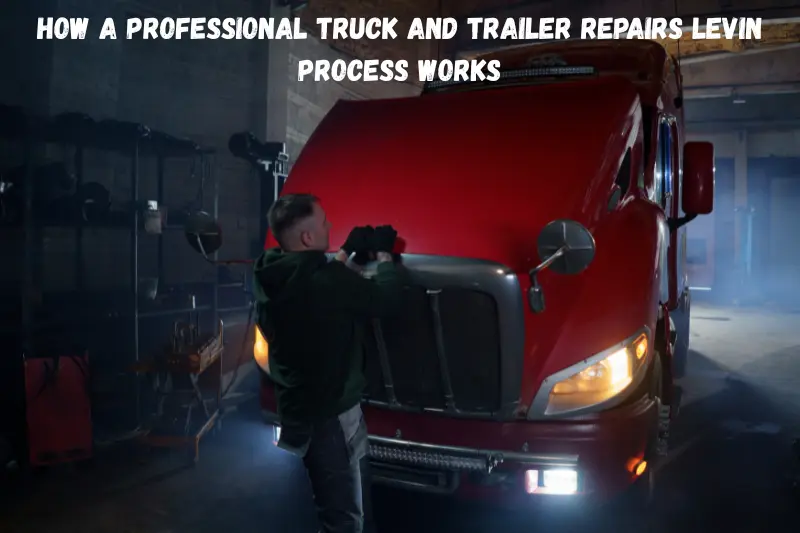
A good repair process should identify the cause of a problem instead of simply replacing parts.
1. Initial Inspection
The technician first discusses the symptoms with the driver or operator and performs a visual inspection.
This may include checking for leaks, damaged components, warning lights, tyre condition, loose connections, and obvious mechanical problems.
2. Diagnostic Testing
Where necessary, diagnostic equipment, pressure testing, electrical testing, brake testing, or mechanical inspection may be used.
The objective is to identify the actual source of the problem.
3. Repair Assessment
Once the fault has been identified, the technician can explain what needs attention, which components are affected, and whether additional inspection is recommended.
4. Parts and Repair Work
Replacement parts should be appropriate for the vehicle and application. Repairs should follow manufacturer instructions and applicable safety requirements.
5. Testing After Repairs
A completed repair should be checked to confirm that the original fault has been addressed and that related systems are operating correctly.
6. Maintenance Records
Keeping repair and servicing records helps operators track recurring problems, component replacement, inspections, and maintenance intervals.
When Should You Arrange Truck and Trailer Repairs Levin?
You should arrange an inspection when you notice a new warning sign, unusual sound, vibration, fluid leak, braking change, steering problem, tyre issue, or electrical fault.
Do not wait for a scheduled service if the vehicle develops a potentially serious safety problem.
For example, a truck that suddenly develops severe braking issues should be taken out of normal operation until the problem has been professionally assessed.
Regular inspections are also important even when the vehicle appears to be working normally because some wear or deterioration may not produce an obvious warning at first.
Preventive Maintenance for Trucks and Trailers
Preventive maintenance focuses on identifying developing problems before they become major failures.
A practical maintenance routine can include:
- Follow the manufacturer’s recommended service schedule.
- Check tyres and wheel condition regularly.
- Inspect brakes and related components.
- Monitor fluid levels and visible leaks.
- Check lights and electrical connections.
- Inspect suspension components.
- Check coupling equipment before operation.
- Record repairs and recurring faults.
- Investigate unusual noises or vibrations promptly.
- Arrange professional inspections at appropriate intervals.
The exact maintenance frequency should depend on the manufacturer’s recommendations, vehicle configuration, operating environment, load, and usage.
Truck and Trailer Repairs Levin and Certificate of Fitness
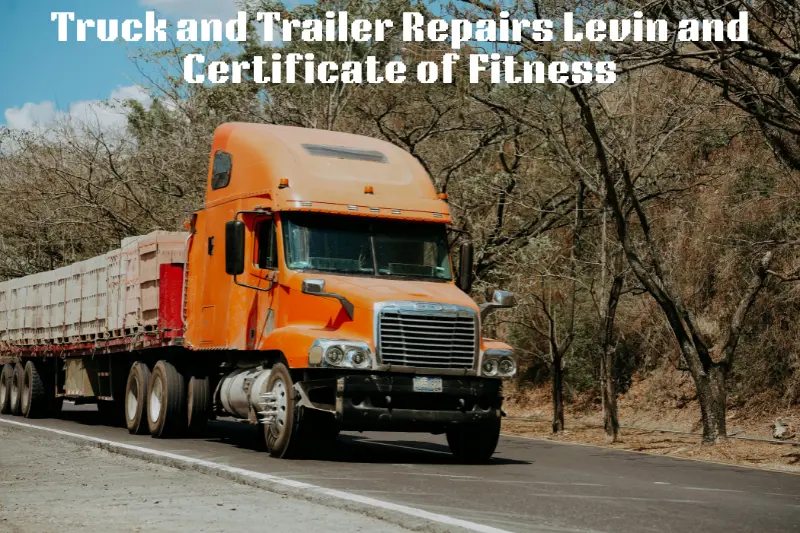
Operators in New Zealand should understand the relationship between vehicle maintenance and Certificate of Fitness requirements.
NZTA states that heavy vehicles, including trucks and larger trailers, require a Certificate of Fitness. The agency also explains that operators are responsible for keeping vehicles up to the required standard between inspections.
A CoF inspection is not a replacement for regular servicing. A vehicle can develop a fault after an inspection, so maintenance should continue throughout the operating period.
If structural damage, modifications, or certain repairs affect a vehicle’s safety or compliance, additional certification may be required. Operators should obtain professional advice when this applies rather than assuming that every repair has the same certification requirements.
How to Choose a Truck Repair Provider in Levin
Choosing the right repair provider can make a significant difference to fleet reliability.
Look for a provider that can demonstrate:
- Experience with heavy commercial vehicles
- Appropriate diagnostic equipment
- Qualified and trained technicians
- Clear inspection and repair procedures
- Good parts and component knowledge
- Transparent communication
- Proper maintenance documentation
- Understanding of relevant New Zealand requirements
- Ability to handle both Truck and trailer repairs Levin systems where needed
Ask what will be inspected, what caused the problem, what parts are required, and whether additional work is recommended.
Avoid choosing a repair service based only on the cheapest quoted price. A low initial price may not represent the best value if the diagnosis is incomplete or the repair does not address the underlying problem.
Common Mistakes to Avoid
Ignoring Small Warning Signs
A small oil leak, unusual vibration, or intermittent electrical fault may seem unimportant, but it can indicate a developing problem.
Delaying Brake Repairs
Brake-related symptoms should be treated seriously because braking performance is directly connected with vehicle control and road safety.
Replacing Parts Without Diagnosis
Replacing components without identifying the actual cause can waste money and leave the original fault unresolved.
Neglecting the Trailer
Operators sometimes concentrate heavily on the Truck and trailer repairs Levin overlook the trailer. Brakes, tyres, wheels, suspension, coupling equipment, lights, and structural components all need appropriate attention.
Using Incorrect Parts
Heavy vehicles operate under demanding conditions. Components should be suitable for the vehicle and application and installed according to appropriate specifications.
Forgetting Maintenance Records
Without accurate records, it becomes harder to identify recurring problems or determine when components were last serviced or replaced.
Practical Tips for Reducing Vehicle Downtime
Fleet operators can reduce avoidable downtime by combining scheduled maintenance with daily driver observations.
Drivers should report unusual sounds, dashboard warnings, steering changes, braking problems, tyre concerns, fluid leaks, or changes in vehicle behaviour as soon as they notice them.
Fleet managers can also monitor recurring faults. If the same component repeatedly fails, the solution may require investigation into the operating conditions, installation, component selection, vehicle loading, or another underlying factor.
A preventive approach is generally more predictable than waiting for a major breakdown.
Keeping your commercial vehicles properly maintained can help reduce unexpected downtime and improve long-term reliability. If you are looking for more information, explore our truck servicing guide, learn more about heavy vehicle maintenance, or discover practical solutions for mobile truck repairs. These resources can help truck and trailer operators understand routine servicing, inspections, and repair requirements.
For reliable information about heavy-vehicle maintenance and safety requirements in New Zealand, operators can refer to NZ Transport Agency Waka Kotahi (NZTA) heavy vehicle servicing guidance. The official resource provides useful information about regular servicing, wheel security, driveshaft maintenance, and heavy trailer safety.
Frequently Asked Questions
What services are included in Truck and trailer repairs Levin?
Truck and trailer repairs Levin can include brake repairs, suspension work, engine and transmission repairs, steering inspections, electrical diagnostics, tyre and wheel checks, trailer coupling repairs, lighting repairs, bearing inspection, and structural assessments. The exact service depends on the vehicle, symptoms, operating conditions, and manufacturer’s maintenance requirements.
How often should a truck be serviced?
There is no single service interval that applies to every truck. Operators should follow the manufacturer’s recommended schedule while considering mileage, operating hours, load, road conditions, and usage. Frequent inspections may be appropriate for vehicles operating under demanding conditions. Any new warning sign should be investigated rather than waiting for the next scheduled service.
What are common signs that a trailer needs repairs?
Common warning signs include uneven tyre wear, unusual wheel heat, vibration, brake problems, damaged lights, coupling concerns, suspension noise, air-system problems, visible cracks, or changes in trailer handling. Any suspected safety-critical fault should be professionally inspected before the trailer returns to normal operation.
Are truck repairs connected to Certificate of Fitness requirements?
Yes. Heavy vehicles in New Zealand require a Certificate of Fitness, and operators are responsible for keeping vehicles in the required condition between inspections. A CoF inspection does not replace routine maintenance. Repairs, structural work, or modifications may also have additional certification requirements depending on what has been changed.
Can preventive maintenance reduce truck breakdowns?
Preventive maintenance can help identify worn or deteriorating components before they develop into more serious failures. Regular servicing, inspections, driver reporting, accurate maintenance records, and timely repairs can make vehicle maintenance more predictable. However, no maintenance program can eliminate every unexpected breakdown, so operators should still have a response plan.
Conclusion
Truck and trailer repairs Levin play an important role in maintaining commercial vehicle safety, reliability, and operational availability. Engine, transmission, brake, steering, suspension, electrical, wheel, coupling, and trailer systems all require appropriate inspection and maintenance.
The best approach is to address warning signs early, follow manufacturer service recommendations, maintain accurate repair records, and use technicians who understand heavy commercial vehicles. Operators should also keep up with New Zealand’s current safety and compliance requirements, including Certificate of Fitness obligations.
If a truck or trailer is showing unusual vibration, braking problems, warning lights, fluid leaks, steering changes, tyre damage, or coupling concerns, arrange a professional inspection rather than continuing to operate the vehicle and hoping the problem disappears.
