

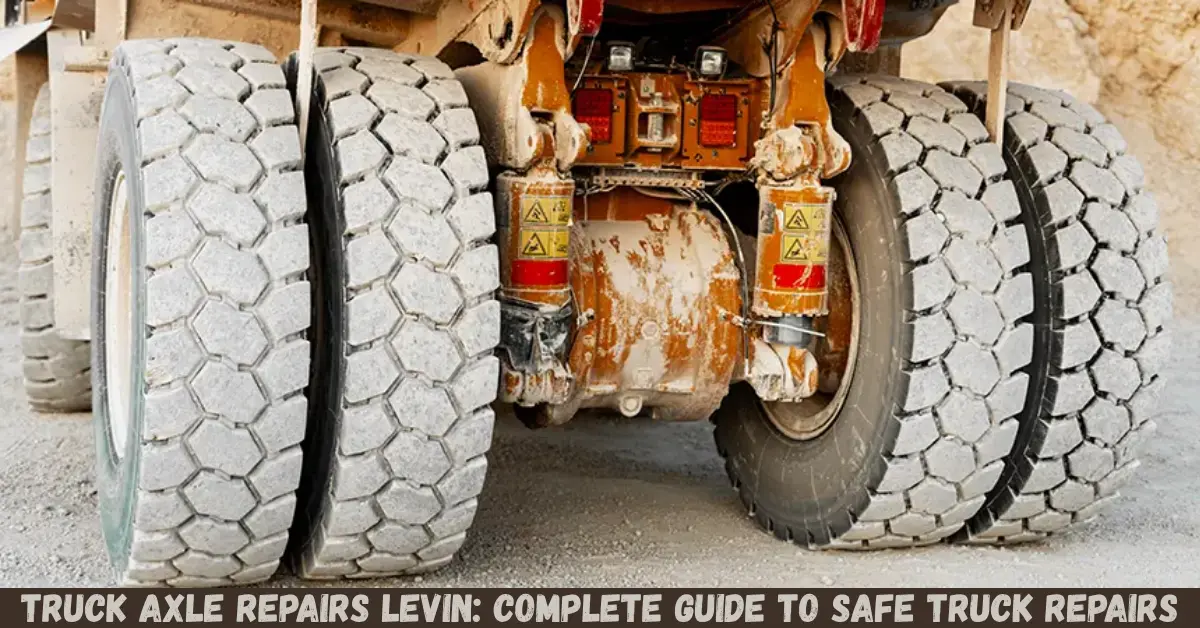
Truck Axle Repairs Levin: What Truck Owners Need to Know
truck axle repairs levin are important when a commercial truck develops axle noise, vibration, uneven tyre wear, fluid leakage, or handling problems. The axle is a critical part of the drivetrain and suspension system because it helps transfer engine power to the wheels while supporting the vehicle’s load.
A damaged axle should not be ignored, especially on a truck carrying heavy cargo or travelling long distances. Continuing to drive with a serious axle fault can increase damage to related components and may create a safety risk.
This guide explains what truck axles do, the most common axle problems, warning signs, how professional repairs are normally diagnosed, the benefits of timely repairs, common mistakes to avoid, and practical maintenance advice for truck operators in Levin.
What Is a Truck Axle?
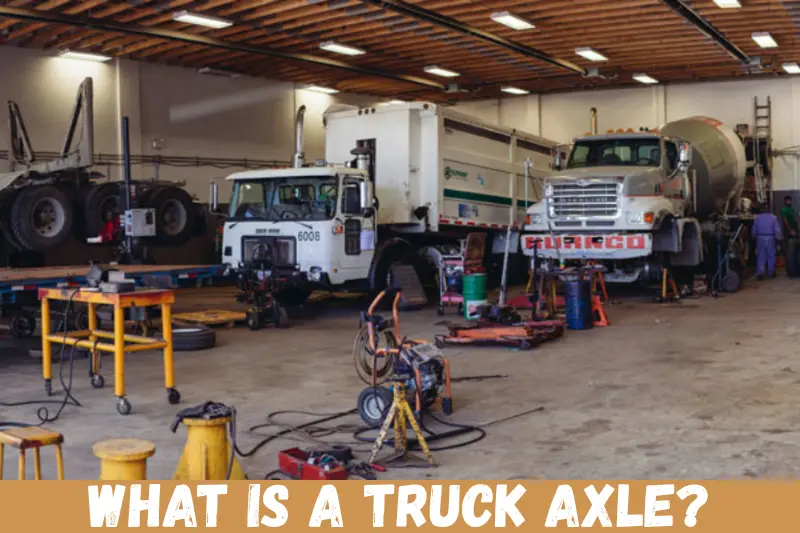
A truck axle is a structural and mechanical component that connects or supports the wheels and, depending on the axle design, transfers driving torque from the drivetrain to the wheels.
Heavy trucks can use different axle configurations depending on their size, load capacity, drivetrain and intended application. Drive axles generally contain components such as differential gears, axle shafts and bearings, while non-drive axles primarily support the vehicle and help maintain wheel alignment and stability.
Why Is the Axle Important?
The axle performs several important functions:
- Supports part of the truck’s weight
- Transfers power to driven wheels on drive axles
- Works with the differential to allow wheels to rotate at different speeds
- Helps maintain wheel position and alignment
- Works with suspension and steering components
- Contributes to safe and stable vehicle operation
Because several components work together, an axle problem may sometimes appear to be a tyre, suspension, bearing or drivetrain issue. Proper inspection is therefore important before replacing parts.
Common Truck Axle Problems
Truck axles operate under substantial loads, particularly when vehicles regularly carry heavy cargo or travel over rough roads. Wear, inadequate lubrication, impact damage and component failure can all contribute to axle problems.
1. Worn or Damaged Axle Bearings
Bearings allow rotating components to operate smoothly. When a bearing becomes worn, contaminated or damaged, it may produce humming, grinding or rumbling noises.
Other possible signs include:
- Excessive heat around the hub
- Wheel play
- Vibration
- Abnormal tyre wear
- Grease or oil contamination
A mechanic should inspect the bearing and related components rather than assuming the bearing is the only damaged part.
2. Damaged Axle Shaft
An axle shaft can become damaged because of excessive loading, impact, fatigue or another drivetrain problem. A seriously damaged shaft may affect power delivery to the wheel.
Depending on the failure, a truck may experience unusual noises, vibration, loss of drive or other drivetrain symptoms.
3. Differential Problems
The differential is particularly important on a drive axle. It allows the driven wheels to rotate at different speeds when the truck turns.
Potential differential problems can involve:
- Worn gears
- Damaged bearings
- Incorrect gear contact
- Low or contaminated lubricant
- Excessive backlash
- Oil leakage
Ignoring unusual differential noise can allow a relatively manageable problem to become a much larger repair.
4. Axle Oil Leaks
Oil leakage around the axle housing, differential or hub area should be investigated promptly.
A leak can reduce lubrication. Insufficient lubrication increases friction and heat and can accelerate wear in gears, bearings and other moving components.
5. Bent Axle Components
A significant impact, collision, excessive load or severe road event can damage axle components.
A bent component may contribute to:
- Uneven tyre wear
- Poor handling
- Wheel alignment problems
- Vibration
- Abnormal stress on suspension components
Not every vibration means the axle is bent, so professional diagnosis is important.
Warning Signs You May Need Truck Axle Repairs Levin
The earliest signs of axle trouble can be relatively subtle. Truck operators should pay attention to changes in sound, vibration, handling and fluid levels.
Unusual Noise
Whining, humming, clunking, grinding or knocking sounds from the axle or differential area should be investigated.
The type of noise, when it occurs and whether it changes during acceleration or deceleration can help a mechanic identify the affected component.
Excessive Vibration
Vibration can originate from tyres, wheels, driveshafts, suspension components or axle-related parts. If vibration changes with speed or load, professional inspection can help identify the source.
Oil or Fluid Leakage
Visible oil around the differential, axle housing, hub or seals can indicate a leak.
Do not simply clean the area and continue operating the truck. The source of the leak should be identified.
Uneven Tyre Wear
Uneven wear can have several causes, including alignment, suspension, tyre pressure and axle-related issues. If abnormal wear continues despite correct tyre maintenance, the axle and suspension should be inspected.
Difficulty With Drivetrain Operation
A drive axle problem may sometimes be associated with unusual drivetrain behaviour, including abnormal engagement, noise or reduced power transfer.
If a truck suddenly develops a serious drivetrain symptom, it is safer to stop in a suitable location and arrange professional assistance rather than continuing to operate it.
How Professional Truck Axle Repairs Levin Are Diagnosed
A reliable repair starts with accurate diagnosis. Replacing an axle component without identifying the underlying cause can result in unnecessary expense and repeat failures.
Step 1: Initial Inspection
The mechanic normally begins by discussing the symptoms with the driver or fleet operator.
Useful information includes:
- When the noise started
- Whether the problem occurs under load
- Whether it happens during acceleration or braking
- Any recent impacts or road incidents
- Previous axle or drivetrain repairs
- Recent changes in tyre wear or handling
Step 2: Visual Inspection
The axle assembly, differential, hubs, seals, suspension and surrounding components can then be visually inspected.
The mechanic may look for leaks, damaged housings, loose components, contamination, excessive wear and signs of impact.
Step 3: Checking Lubrication
Correct lubrication is essential for many axle and differential assemblies.
The mechanic may inspect the lubricant level and condition and look for signs of contamination or metal particles that could indicate internal wear.
Step 4: Component Testing
Depending on the symptoms, additional checks may be performed on bearings, axle shafts, differential components, wheel ends and related drivetrain parts.
The objective is to identify the actual source of the fault rather than replacing parts based only on symptoms.
Step 5: Repair or Component Replacement
Once the problem is identified, the appropriate repair can be planned.
Depending on the condition, this may involve replacing a seal, bearing, shaft or other component, repairing the differential, correcting an alignment issue, or replacing a more seriously damaged assembly.
Step 6: Final Inspection and Testing
After repairs, the affected components should be checked for correct installation, lubrication, movement and operation.
A suitable road test or operational check may then be performed where appropriate and safe.
Benefits of Timely Axle Repairs
Addressing axle problems early can provide several practical benefits for truck owners and fleet operators.
Improved Safety
A properly maintained axle helps support predictable handling, wheel movement and drivetrain operation.
Reduced Secondary Damage
A small leak or worn bearing can potentially cause damage to other components if the truck continues operating without correction.
Early diagnosis can therefore help prevent a minor fault from developing into a more extensive repair.
Better Vehicle Reliability
Commercial trucks often need to operate according to demanding schedules. Preventive maintenance and timely repairs can reduce the chance of unexpected mechanical downtime.
Better Tyre and Component Wear
Correctly functioning axle, wheel-end and suspension components can help avoid abnormal stress and premature wear on related parts.
Potentially Lower Repair Costs
The final cost depends heavily on the failed component and the extent of damage. However, addressing a developing problem early can sometimes prevent additional component damage.
Truck Axle Repair vs Axle Replacement
The correct solution depends on the condition of the axle and its individual components.
| Repair Approach | When It May Be Suitable | Main Consideration |
|---|---|---|
| Component repair | A specific serviceable component has failed | Other components must still be inspected |
| Bearing or seal replacement | Wear or leakage is isolated | Correct installation is essential |
| Differential repair | Internal differential components are damaged but the housing is suitable | Requires accurate setup |
| Axle shaft replacement | Shaft damage is confirmed | Correct specification is important |
| Complete axle replacement | Major damage makes repair impractical | Compatibility and cost need assessment |
A qualified mechanic can determine whether repairing individual components or replacing the assembly makes more sense.
Common Mistakes to Avoid
Truck axle problems can become more expensive when warning signs are ignored or incorrect repairs are attempted.
Ignoring Unusual Noises
A new grinding, humming or clunking sound should not automatically be considered normal truck noise.
Driving With a Serious Leak
Low lubricant levels can cause accelerated wear in components that depend on lubrication.
Overloading the Truck
Operating a vehicle beyond its designed or legally permitted load can place additional stress on axles, suspension, tyres and other components.
Using Incorrect Lubricant
Different axle and differential assemblies can have specific lubricant requirements. Always use the specification recommended for the particular assembly.
Replacing Parts Without Diagnosis
Changing a bearing when the actual problem is differential wear, driveshaft vibration or another fault can waste money and leave the original problem unresolved.
Delaying Professional Inspection
If the truck develops significant vibration, handling changes, grinding noises or a serious fluid leak, arranging an inspection promptly is the safer approach.
How to Maintain a Truck Axle
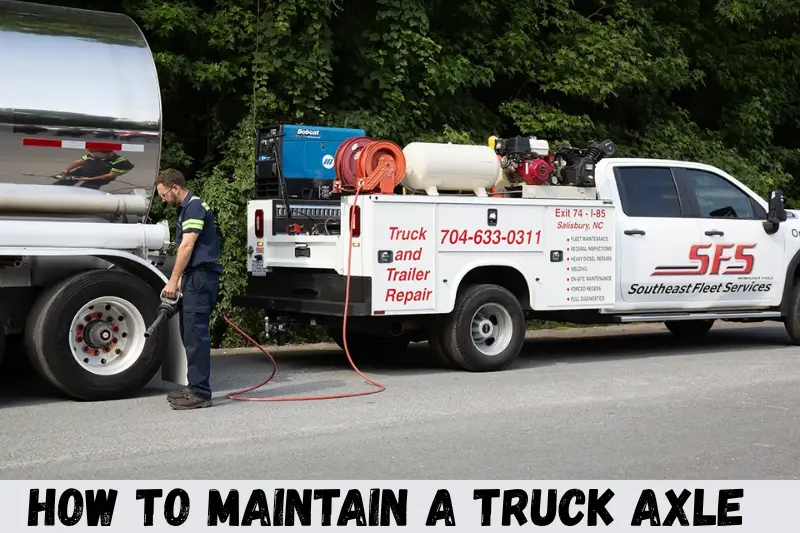
Preventive maintenance can help identify problems before they become major failures.
Truck operators should:
- Check for visible oil leaks during routine inspections
- Follow the manufacturer’s lubrication schedule
- Monitor unusual noises and vibrations
- Check tyre pressure regularly
- Investigate abnormal tyre wear
- Avoid excessive loads
- Inspect the vehicle after significant impacts
- Keep maintenance records
- Follow the truck manufacturer’s service requirements
- Arrange professional inspections when symptoms appear
For commercial fleets, recording recurring axle faults can also help identify operational patterns such as excessive loading, repeated impact damage or maintenance intervals that need adjustment.
When Should You Stop Driving the Truck?
Not every axle-related symptom requires immediate recovery, but some conditions should be treated seriously.
Stop operating the truck when continued driving appears unsafe, particularly if there is:
- Severe grinding or knocking
- Sudden loss of drive
- Major oil leakage
- Significant wheel or axle movement
- Severe vibration
- A serious handling change
- Visible structural damage
Move the vehicle to a safe location when possible and arrange an appropriate inspection or recovery service.
Why Choose Professional Truck Axle Repairs in Levin?
For operators looking for truck axle repairs Levin, local professional support can be valuable because commercial vehicles often require practical diagnosis and repair rather than generic advice.
A suitable truck repair provider should be able to explain the suspected fault, identify the affected components and recommend a repair based on the vehicle’s condition.
Before authorising major work, it is sensible to ask:
- What component has failed?
- What caused the failure?
- Can the component be repaired or should it be replaced?
- Are other parts damaged?
- What parts and lubricant specifications will be used?
- What checks will be completed after the repair?
Clear answers can help truck owners make better maintenance decisions.
Internal link
For reliable truck axle repairs Levin, professional inspection is important when your truck develops unusual axle noise, vibration, oil leaks, uneven tyre wear, or drivetrain problems. You can also learn more about proper commercial vehicle maintenance from this trusted automotive resource before arranging repairs.
Frequently Asked Questions
What are the most common signs of a truck axle problem?
Common warning signs include unusual humming, whining, grinding or clunking noises, excessive vibration, oil leakage, uneven tyre wear and changes in handling. Some axle faults can develop gradually, while others occur suddenly. Because these symptoms can also come from tyres, bearings, suspension or drivetrain components, proper diagnosis is important.
Can I drive a truck with an axle oil leak?
It depends on the severity and location of the leak, but continuing to operate a truck with a significant axle lubricant leak can cause additional damage. Low lubricant levels can increase friction and heat inside components such as differentials and bearings. A significant leak should be inspected promptly rather than simply topped up repeatedly.
How long do truck axles normally last?
There is no single lifespan that applies to every truck axle. Service life depends on vehicle design, loading, road conditions, maintenance, lubrication, driving conditions and component quality. Regular inspections and correct servicing can help identify wear before it develops into a major failure.
Is a damaged truck axle always replaced?
No. An axle does not automatically need complete replacement when one component fails. Depending on the damage, a mechanic may replace a bearing, seal, axle shaft or internal differential component. If the housing or assembly has major structural damage, however, replacement may be more appropriate than repairing individual parts.
How can I prevent major axle repairs?
Regular inspection and correct maintenance are the best starting points. Follow the manufacturer’s service and lubrication requirements, maintain appropriate tyre pressure, avoid overloading, investigate leaks and unusual noises quickly, and inspect the truck after significant impacts. Early attention to symptoms can help prevent additional damage to related drivetrain components.
Expert Tips for Truck Axle Maintenance
A few practical habits can make axle maintenance easier for truck operators.
Check before long trips: A quick inspection for leaks, damaged components and abnormal tyre wear can reveal problems before a long journey.
Listen for changes: Drivers spend significant time operating the vehicle and can often notice new noises before a scheduled service.
Do not ignore recurring problems: If a bearing, seal or axle component repeatedly fails, the underlying cause should be investigated rather than simply replacing the same part.
Keep service records: Recording repairs, lubricant changes and recurring symptoms can help mechanics identify patterns.
Use the correct parts: Heavy-duty truck components should match the vehicle and axle specification. Incorrect parts can create additional reliability problems.
Conclusion
truck axle repairs levin are an important part of maintaining a safe and dependable commercial vehicle. Axle assemblies handle significant loads and, on drive axles, play a major role in transferring engine power to the wheels. Problems involving bearings, axle shafts, differential gears, seals or lubrication can affect vehicle reliability and may lead to more extensive damage when ignored.
The most useful warning signs include unusual noises, vibration, oil leaks, uneven tyre wear and changes in handling or drivetrain operation. Professional diagnosis is important because similar symptoms can originate from different components.
For truck owners and operators in Levin, the practical approach is simple: inspect the vehicle regularly, follow the manufacturer’s maintenance requirements, respond quickly to warning signs and use a qualified truck repair professional when an axle problem is suspected. If your truck is showing axle noise, vibration, leakage or handling problems, arrange an inspection before the fault develops into a larger repair.
